I will never forget the night I saw a long, brown, worm-like bug curling on my bathroom floor. My heart jumped, and I had so many questions.
Where did it come from? Is it safe, and are there more? If you have found millipedes in your house, then you are not alone.
Today I will share thirty simple and friendly ideas that really helped me. Let us make millipedes in your house a thing of the past very soon.
What Are Millipedes?
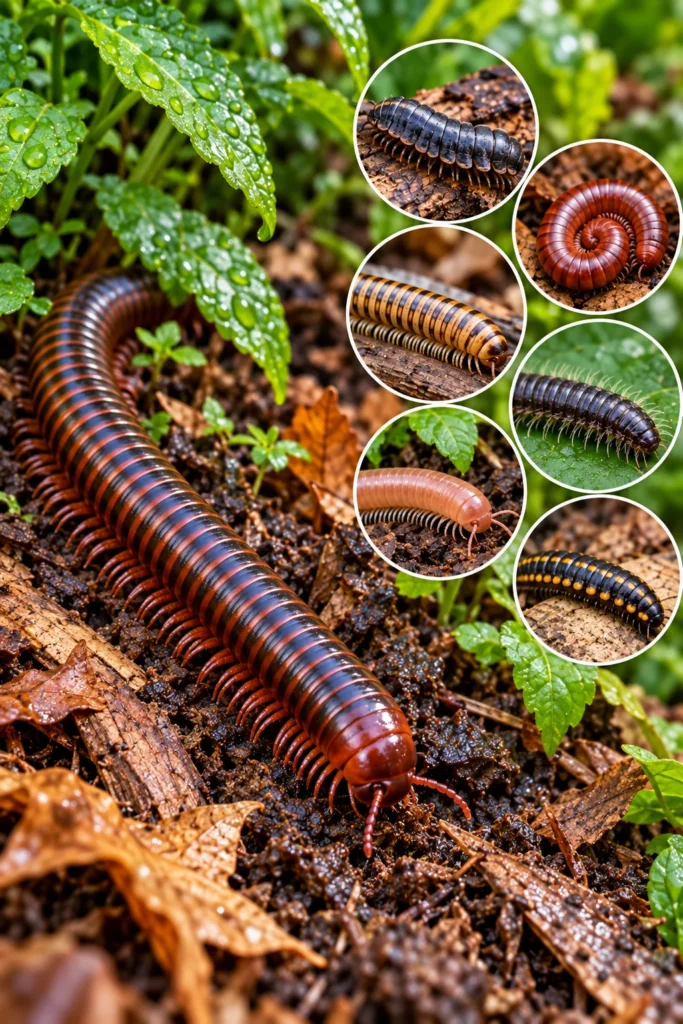
Millipedes are small, worm-like arthropods especially known for their many body segments and pairs of legs.
According to their name, we think they have so many legs, but most species do not actually have 1,000 legs.
They usually feed on decaying leaves, plants, and other organic matter and prefer damp, dark places.
There are thousands of millipede species, including flat-backed millipedes, cylindrical millipedes, bristle millipedes, greenhouse millipedes, and spotted millipedes.
Most are harmless to people and pets, but they may enter homes when outdoor conditions become too wet, dry, or unfavorable.
Why Are Millipedes in My House and Why Do Millipedes Come Inside
Let us start with the big question. Here we look at the real reasons these visitors walk into your home.
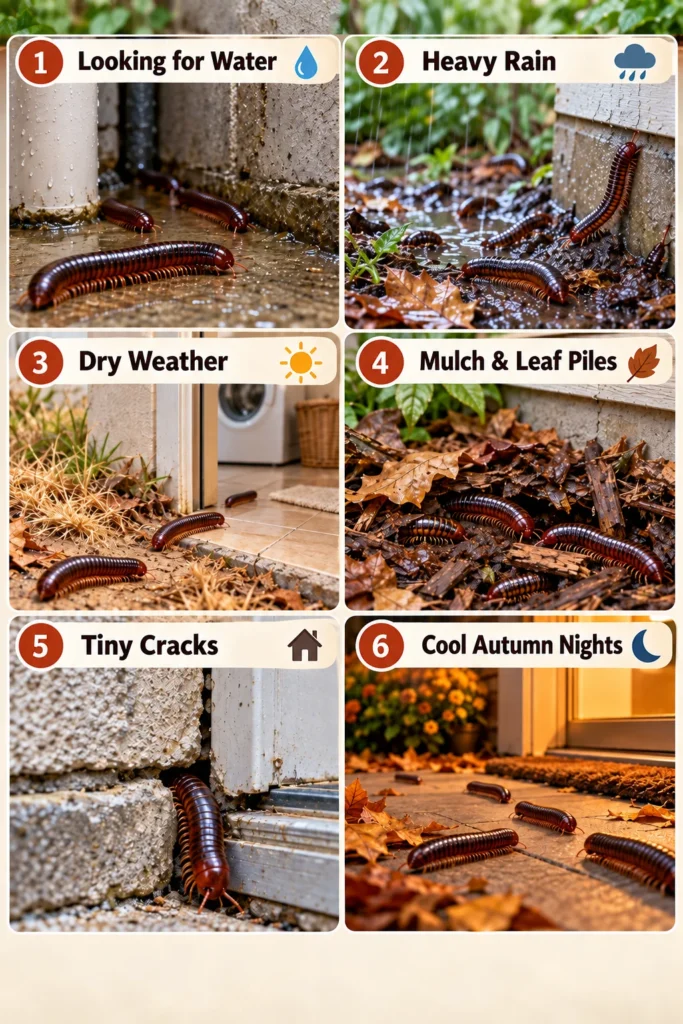
1. They Are Looking for Water and Not for Trouble
Here is the first thing I learned. Millipedes in your house are not trying to bother you. They are searching for damp and cool places because their bodies lose water fast. Your home just happens to feel like a safe shelter. Once I understood this, I stopped feeling angry at them. I started asking what made my home so tempting. That one question guided every step.
2. Heavy Rain Pushes Them Out of the Soil
After a big storm, my porch was covered with them. The reason is easy. Rain floods the tunnels where millipedes live underground. They crawl up to escape the water and then walk straight toward your walls. Millipedes in your house after heavy rain are normal. Think of them as tiny refugees looking for dry land. Watch your weather forecast and expect more visitors after every long wet spell.
3. A Long Dry Spell Sends Them Hunting for Water
This one surprised me. I thought dry weather would keep them away. It does the opposite. When the soil dries out, millipedes move toward any place with moisture. Your basement or bathroom, or kitchen sink area can feel like a water hole in the desert. If you see more of them in a hot summer, check for leaks first. Moisture is the real magnet. Start there tonight.
4. Your Mulch and Leaf Piles Are Their Favorite Hotel
Walk around your home and look at the ground near the walls. Thick mulch and rotting leaves are a feast and a bed for millipedes. They eat dead plants and love the damp, dark layer. When that layer touches your house, the step from garden to millipedes in your house is only a few inches. I found hundreds under my own mulch. Lift a handful and see for yourself.
5. Tiny Cracks Work Like Open Doors
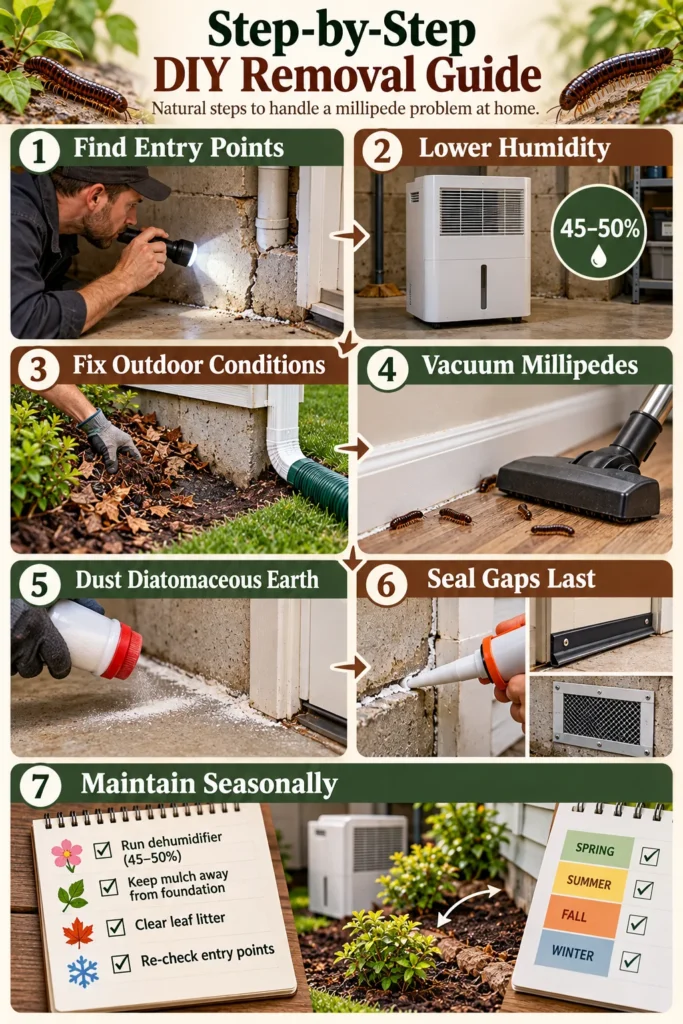
A millipede is thin and bendy, so it can slide through gaps smaller than a pencil. Cracks in the foundation and gaps under doors and holes around pipes all work as doors for them. I once found a crack near my back step that I never noticed. Take a flashlight and walk around your home slowly. You will be amazed at what you find. Mark each gap with tape.
6. Cool Autumn Nights Make Them Wander Inside
Fall is the busiest season. As nights turn cool, millipedes look for warm and sheltered spots to spend winter. Millipedes in your house in October feel like a sudden invasion, but they have been moving toward your walls for weeks. I now start checking my home on the first cold night. Early action saves many nights of shock and worry. Be a step ahead of them.
Signs of a Millipede Infestation in Your Home
Now let us spot the signs early. These clues tell you when a small visit is turning into real trouble.
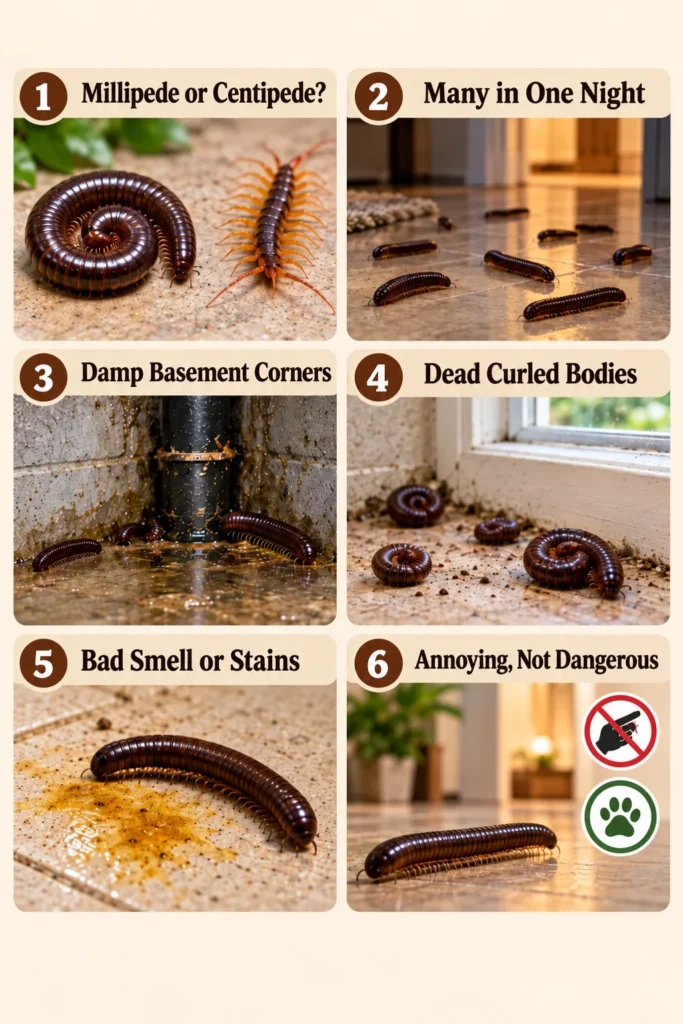
7. Know What You Are Actually Looking At
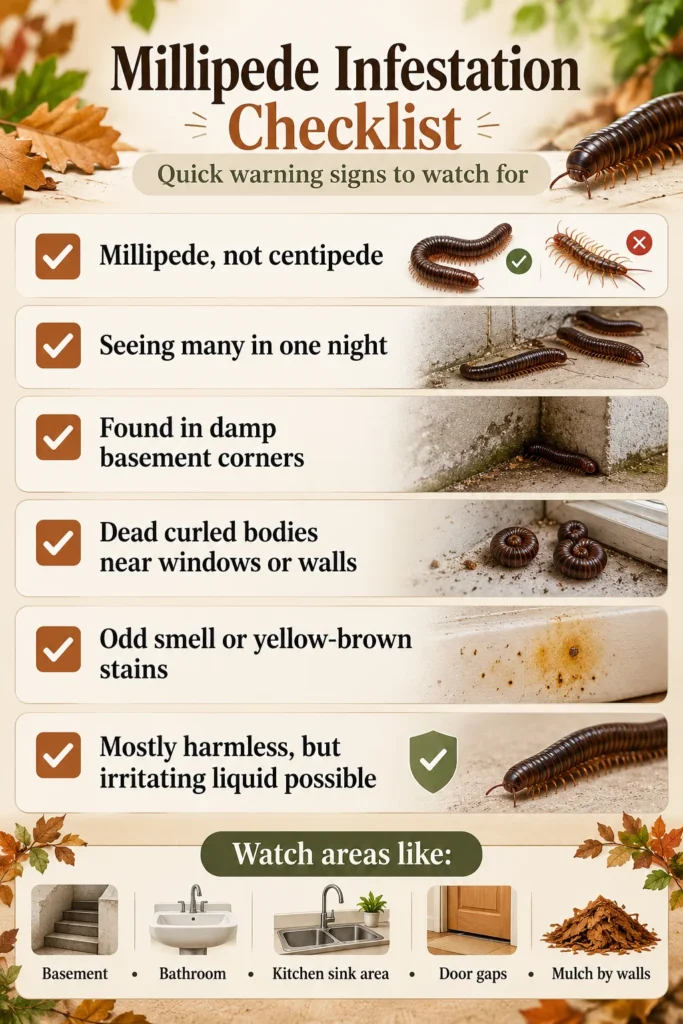
Many people mix up millipedes and centipedes. Millipedes in your house look like slow, dark worms with many tiny legs along the body. They curl into a coil when touched. Centipedes are fast and flat and have one pair of legs on each part. Millipedes are gentle and feed on dead plants. Centipedes hunt other bugs. Knowing the difference helps you pick the right plan.
8. Count How Many You See in One Night
One lonely millipede is a wanderer. Ten or more in a night is a sign of something bigger. Keep a small tally on your phone for a week. Note the rooms where you see them. Many in one spot means millipedes in your house have found a steady path inside. That tally helps you decide if this is a small visit or a real millipede infestation in your house.
9. Check the Damp Corners of Your Basement
Grab a flashlight tonight and visit your basement or crawl space. Look behind boxes and along the bottom of the walls. Millipedes in your house love dark corners where the air feels heavy and wet. Touch the walls and the floor. If anything feels clammy, then you found their home base. Fixing that damp spot may end the story faster than any spray. Start with the darkest corner.
10. Dead Millipedes Curled Like Tiny Coils Tell a Story
Have you found dry, curled bodies near your windows or in corners each morning? These are millipedes that crawled in and dried out because indoor air is too dry for them. They cannot live long inside. Dead ones still show you where the entry points are. Collect them for a few days and draw a simple map. The map will guide every fix you make.
11. A Strange Smell or Yellow-Brown Stain Is a Clue
When scared, millipedes release a liquid that smells bad and can leave a brown or yellow stain. If you crush millipedes in your house, you may notice an odd smell on your shoes or floor. Do not squash them. Pick them up with paper or a vacuum. That liquid can also irritate skin, so wash your hands after touching them. A little care keeps your home fresh.
12. Find Out If They Are Dangerous or Not
Good news first. Millipedes in your house do not bite and do not sting. They do not harm people or pets, and they do not damage wood or food. The only issue is the liquid they release when frightened, which may irritate eyes or skin. Keep kids and pets from handling them. They are more annoying than dangerous, so stay calm and follow the plan.
How to Get Rid of Millipedes in the House Without Stress
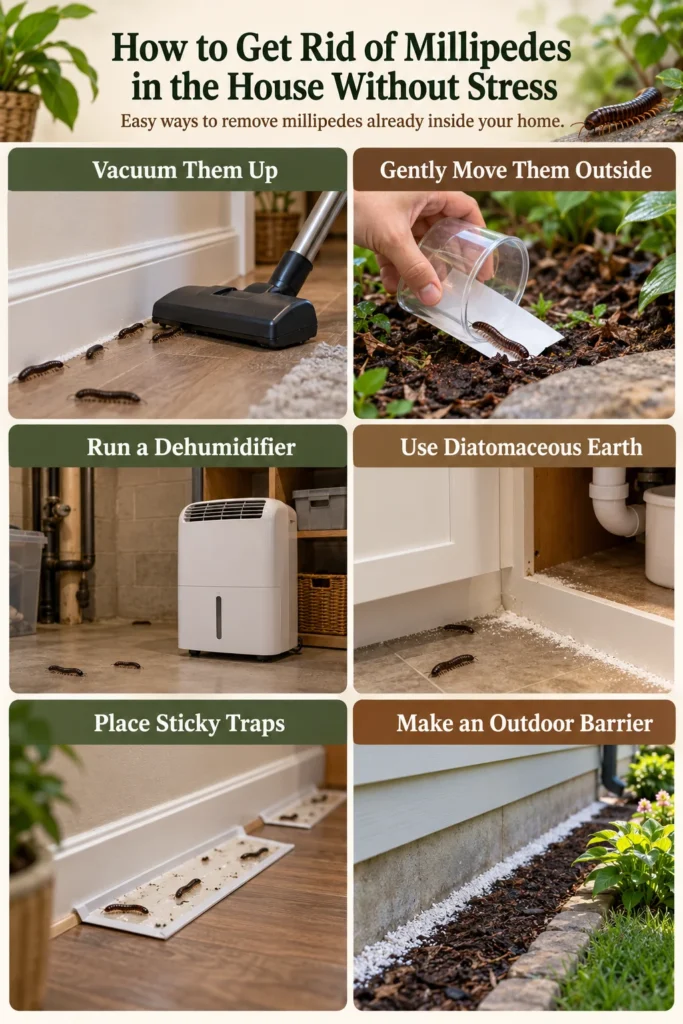
Time for action. These easy steps remove the millipedes you already have using things most of us keep at home.
13. Vacuum Them Up and Empty the Bag Outside
This is the quickest fix I know. Use a vacuum to pick up millipedes in your house along walls and in corners. Do it each morning for a few days. Then take the bag or the canister outside right away and empty it far from your home. Seal the bag first if you can. It is clean and simple and needs no chemicals. It works like magic.
14. Scoop Them Gently and Set Them Free Outside
If you only see one or two, then skip the vacuum. Slide a piece of paper under the millipede and drop it in a cup. Carry it to a damp garden bed far from your walls. It feels kind, and it works. Wear gloves if you feel unsure. I do this with my kids, and they treat it like a little rescue mission. Gentle works best.
15. Run a Dehumidifier Where They Gather
Dry air is the best weapon against millipedes in your house. Place a dehumidifier in the basement or any damp room. Aim to keep humidity below fifty percent. Empty the tank every day. Within a week, the room feels different and fewer visitors show up. Pair it with a fan if the air feels still. This is a quiet fix that works all year. Small cost, big reward.
16. Sprinkle Diatomaceous Earth Along the Edges
Buy food-grade diatomaceous earth from a garden store. It is a fine powder made from tiny fossils. Dust a thin line along baseboards and under sinks and near door edges. It dries out the outer shell of crawling bugs. Keep it dry and keep it away from your face because the dust bothers your lungs. Reapply after cleaning. Pets and kids should stay away until it settles.
17. Use Sticky Traps Near Walls and Doors
Glue traps are cheap and easy. Place them flat along walls and near doors and in corners where millipedes in your house walk most. Check them every morning. The traps also tell you how busy the problem is. Fewer catches over time means your fixes are working. Keep traps away from pets and little hands. Throw them out in a sealed bag. Replace them when they fill up.
18. Make a Safe Outdoor Barrier Around Your Home
If the numbers stay high, then treat the outside. Choose a product made for outdoor insect control and read the label twice. Apply a band about three feet wide along the base of your walls and around doors. Do it on a calm, dry day. Keep pets and kids away until it dries. Outside treatment stops them before they ever reach the door. Safety always comes first.
How to Stop Millipedes in Your Home for Good
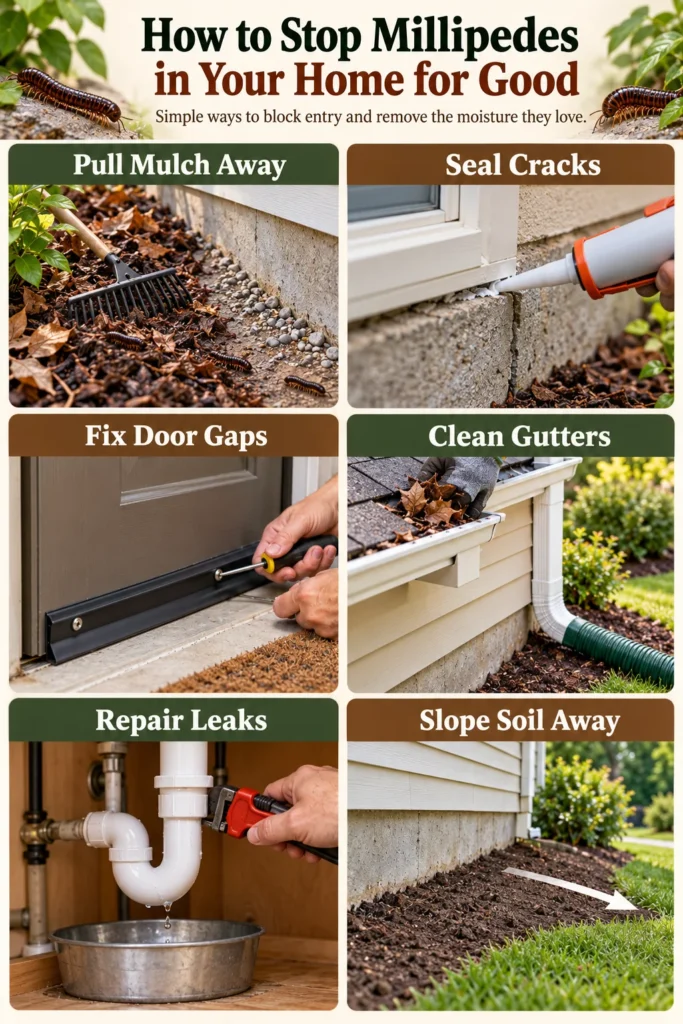
Removing them is only half the job. Now we close the doors and fix the places that invite them back.
19. Pull Mulch and Leaves Away From Your Walls
This one step cut the visitors in my home by half. Rake mulch and leaves at least twelve inches back from the foundation. Leave bare soil or a strip of gravel there. Without a damp hiding place right at the wall, millipedes in your house become much less common. Your plants will still look lovely, and your walls will finally feel dry. Try it this weekend.
20. Seal Cracks Around Doors and Windows
Buy a tube of outdoor caulk and walk around your home with it. Fill cracks in the foundation and gaps around windows and holes where pipes enter. Use steel wool for bigger holes and then cover with caulk. Do this on a dry day so it sticks well. One afternoon of sealing blocks countless creepy crawlers for years. Your energy bill will thank you too.
21. Fix Door Sweeps and Garage Gaps
Lie on the floor and look at the bottom of your exterior doors. If you see light, then millipedes can walk through. Install a door sweep or a rubber seal that touches the floor. Do not forget the garage door since it is the biggest gap in most homes. A small cost today brings big peace of mind. It takes about twenty minutes. Easy and cheap.
22. Clean Your Gutters and Fix Water Flow
Blocked gutters spill water down your walls and soak the soil right where bugs gather. Clear leaves from gutters twice a year. Make sure downspouts carry water at least six feet away from the house. Add a simple extension if needed. Dry soil near your foundation is the strongest shield you can build. It protects your walls and your basement as well. Do it before the rains.
23. Repair Leaky Pipes and Dripping Taps
A tiny drip can invite millipedes into your house all season long. Check under sinks and around the water heater and behind the washing machine. Tighten fittings and replace old washers. Wipe any wet spot dry. I once fixed a slow leak under my kitchen sink, and the night visitors stopped within two weeks. Water is the invitation, so cancel it. Check again next month.
24. Slope the Soil So Water Runs Away From Home
Look at how the ground meets your house. If it slopes toward the wall, then rain pools there and keeps the soil soggy. Add soil to create a gentle slope that runs away from the foundation. Aim for a drop of about six inches over ten feet. It is a weekend job with a shovel. Good drainage keeps your whole home healthier. Ask a neighbor to help.
Prevent Millipedes in House Now With Smart Daily Habits
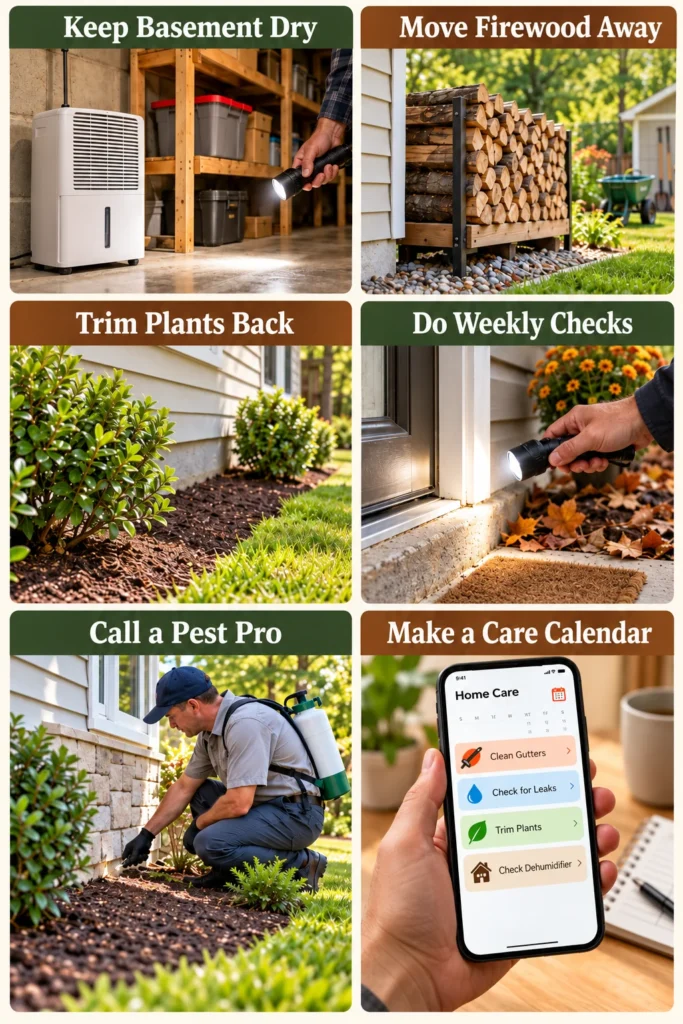
Lastly, we build habits that keep your home safe all year. Small routines always work better than one big cleanup.
25. Keep Your Basement and Crawl Space Dry All Year
Basements are the number one hangout. Cover bare dirt in a crawl space with a plastic sheet. Add vents or a small fan so air moves. Store boxes on shelves and not on the floor. Run the dehumidifier whenever the weather turns humid. I check the corners every Sunday with a flashlight. A dry basement turns your home into a boring place for bugs.
26. Store Firewood and Garden Clutter Far Away
Millipedes in your house often start their trip from a woodpile stacked against the wall. Move firewood at least twenty feet away and keep it off the ground. Do the same with pots and boards and bricks and old buckets. Anything lying on damp soil becomes a hiding place. A clean yard feels better and looks better too. Lift and check these spots every month.
27. Trim Plants and Keep Garden Beds Tidy Near the House
Thick bushes and climbing vines touching your walls hold moisture and give bugs a ladder. Trim plants so air can flow around them. Keep them at least a foot from the wall. Remove dead leaves and weeds each week. Water your garden in the morning so the soil can dry by night. Small habits like these change the whole feel around your home.
28. Do a Quick Home Walk Every Week in Fall
Make a small ritual every Sunday evening from September to November. Walk around the outside and check the doors, the gaps, and the soil. Then check the basement and bathrooms inside. It takes ten minutes and a flashlight. Catching an open gap early is far cheaper than fixing a big problem later. I even play music and turn it into a fun habit.
29. Call a Pest Pro When Numbers Stay High
Sometimes you do everything right and still see crowds. If you find dozens each night for weeks, you may be dealing with a serious millipede infestation in house areas you cannot see. Do not feel bad about asking for help. A pest professional can find hidden sources and treat the right spots. Ask about safe options for kids and pets. Millipedes in your house deserve a smart expert plan.
30. Make a Simple Yearly Millipede Care Calendar
Put four reminders on your phone. In spring, clean gutters and fix cracks. In summer, check for leaks and trim plants. In fall, do your weekly walks and pull back leaves. In winter, run the dehumidifier and plan repairs. Four small checks beat one big panic. Share the list with family so everyone helps and your home stays calm in every season. Simple wins every time.
Conclusion: Millipedes In Your House
We have walked a long road together. You now know why they come, how to spot the signs, how to remove them, and how to keep them out for good.
Remember that millipedes in your house are harmless, but they are a clear message about moisture. Listen to that message and fix the damp.
Pick just three ideas today and start tonight. Your home will feel calm again. Take a deep breath. I believe in you.
FAQs About Millipedes In Your House
1. How long can millipedes in your house live without moisture?
Not very long. Indoor air is usually too dry for them, so most die within a few days unless they find a damp spot. That is why drying out basements and bathrooms quickly ends the problem for most homes.
2. Are millipedes in your house dangerous for kids and pets at night?
They do not bite or sting, and they carry no known diseases. The only worry is the liquid they release when scared, which may irritate skin or eyes. Wash hands after touching them and keep pets from chewing them.
3. What is the fastest way to get rid of millipedes in your house today?
Vacuum every visible one and run a dehumidifier in damp rooms. Sprinkle diatomaceous earth along edges and place sticky traps near doors. Sealing gaps the next day keeps new ones from coming in.