Ever experienced while walking to the kitchen at midnight for a glass of water, spotting a dark bug near your sink, and it disappears under the fridge?
Is it sure it wasn’t a cockroach? Chances are, you just met a water bug. Even though you wiped it away, then found two more the next day? Why does that keep happening? That’s what nobody warns you about.
Those bugs don’t leave just because you wiped them. They come back because your home is inviting them in, with a dripping pipe, a dirty drain, and a gap you’ve never sealed.
These are water bugs, and killing what you see solves nothing if the real cause remains. Knowing how to get rid of water bugs isn’t about what you spray. It’s about what you fix, seal, and stop ignoring.
This guide covers every room, every hiding spot, every method, so when you learn how to get rid of water bugs this time, they don’t come back. Let’s walk through the exact process to keep them out.
What Are Water Bugs?
Before you treat the problem, you need to understand what you’re actually dealing with. Most people reach for the nearest spray and miss the real cause entirely.
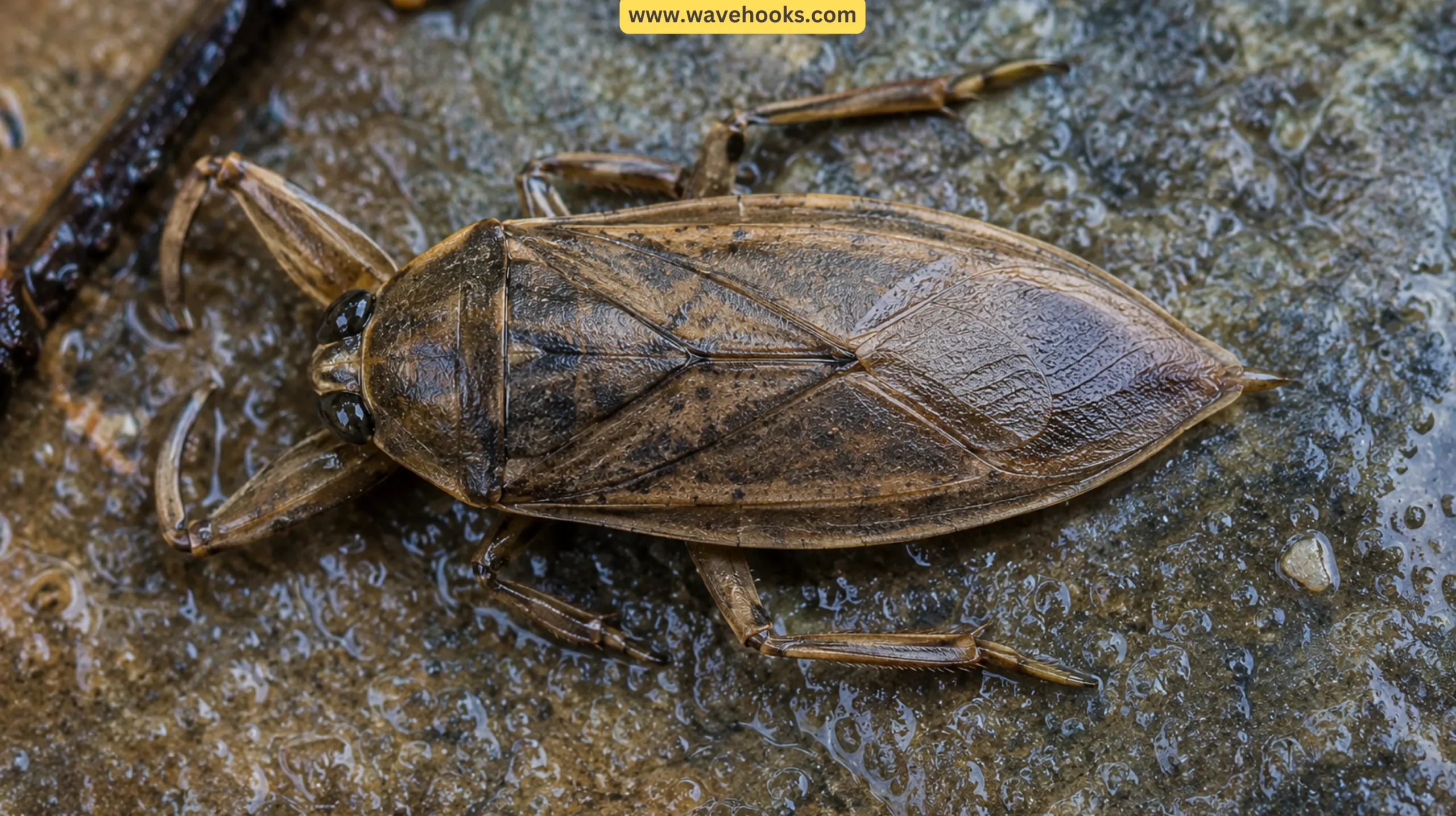
Here’s where things get a little confusing. The bugs running across your bathroom floor are true water bugs. These are aquatic insects that live in ponds, streams, and lakes. They’re genuine swimmers. They hunt tadpoles, small fish, and other insects underwater.
The bug you’re seeing in your home is the Oriental cockroach, sometimes called the “black water bug” or just water bug. People also use the name for the American cockroach, which is a big, reddish-brown insect.
Both thrive in damp, dark environments, which is exactly why they make the “water” nickname. The real reason? When someone says “water bug” in a household context, they almost always mean a cockroach species that prefers wet, humid spaces.
Knowing this matters because it completely changes how you approach the problem and which products you actually need.
Also Read How To Get Rid Of German Cockroaches: 12 Powerful Methods!
What Are The Types of Water Bugs Found in Homes
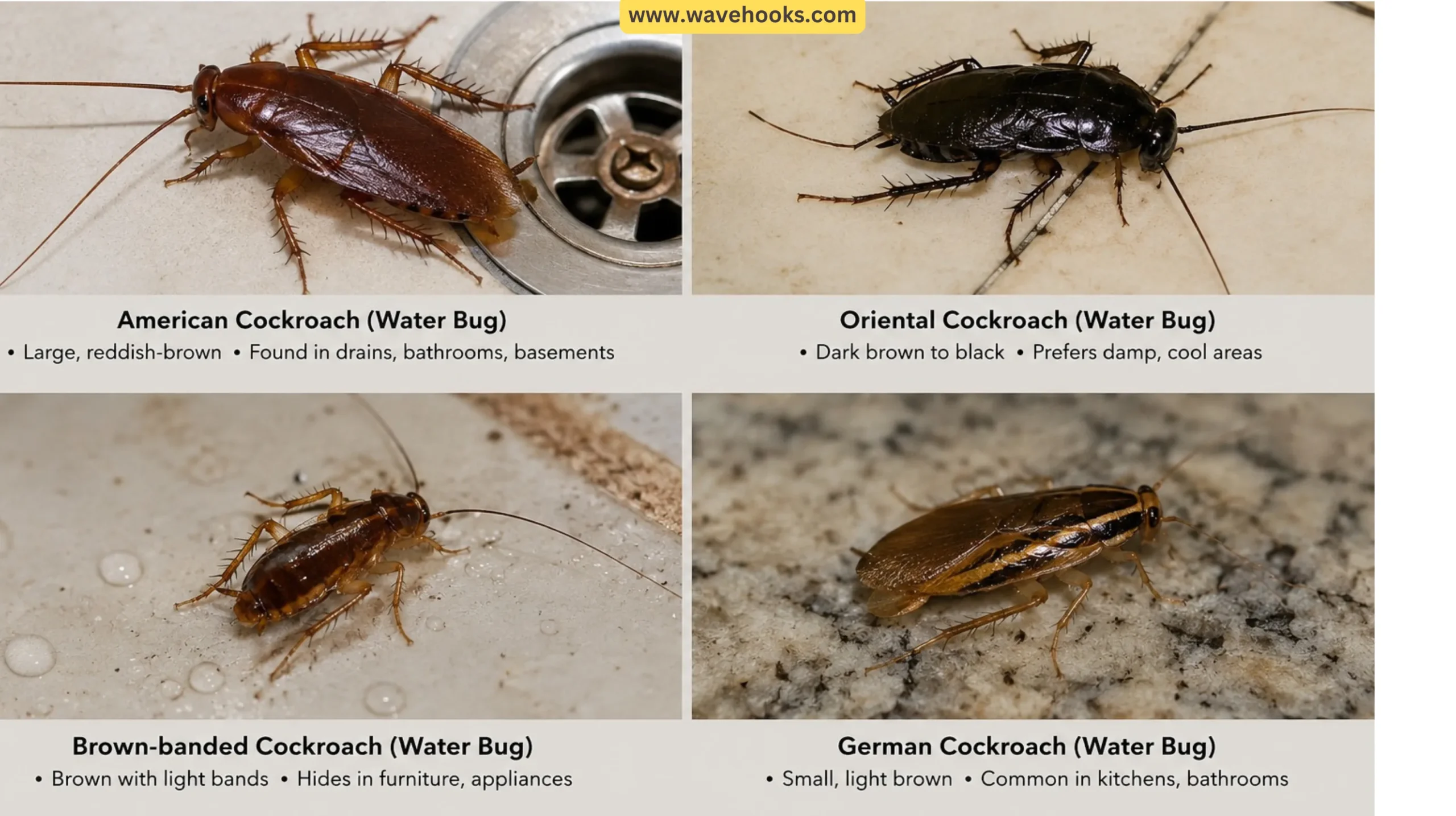
Not every dark bug crawling near your drain is the same creature. Most people call them all “water bugs,” but knowing exactly what you are dealing with changes how you treat them.
1. Oriental Cockroach
This is the one most people actually mean when they say water bug. Dark brown to black, slow-moving, and almost always found near drains, damp basements, and pipes. It thrives in cool, wet areas and is the most common household water bug in most regions. If you are seeing bugs near floor-level drains or basement corners, oriental cockroaches are the most likely culprit.
2. American Cockroach
Larger than the oriental cockroach, sometimes reaching nearly two inches, the American cockroach is reddish-brown and moves fast. It prefers warm, humid areas like kitchen pipes, bathroom walls, and utility rooms. It can even fly short distances, which makes it even more alarming when spotted indoors.
3. German Cockroach
Smaller and lighter in color, German cockroaches are the most common home invader of the three. They reproduce rapidly. A single female can produce hundreds of offspring in months. They prefer kitchens and bathrooms, hide in appliance gaps and cabinet cracks, and are harder to eliminate than other species. If your infestation keeps rebuilding, German cockroaches are the reason.
4. Giant Water Bug
True giant water bugs occasionally wander indoors, especially near homes with pools, ponds, or heavy outdoor lighting. They are large, brown, oval-shaped, and can actually bite if handled. They are aquatic by nature and rarely found in indoor infestations, but they will enter through gaps and are drawn to lights at night. Seeing one indoors usually means it passed through plumbing.
5. Brown-Banded Cockroach
Most water bugs prefer damp areas, but the brown-banded cockroach tolerates drier conditions and spreads across the entire home, including bedrooms, living rooms, and behind picture frames. Infestations in rooms away from the kitchen or bathroom are usually this species. It hides locations like ceiling corners and inside electronics, which makes it harder to find and treat than moisture-based species.
Also Read: What Do Cockroaches Smell Like? It’s Worse Than You Think!
Where Do Water Bugs Come From?
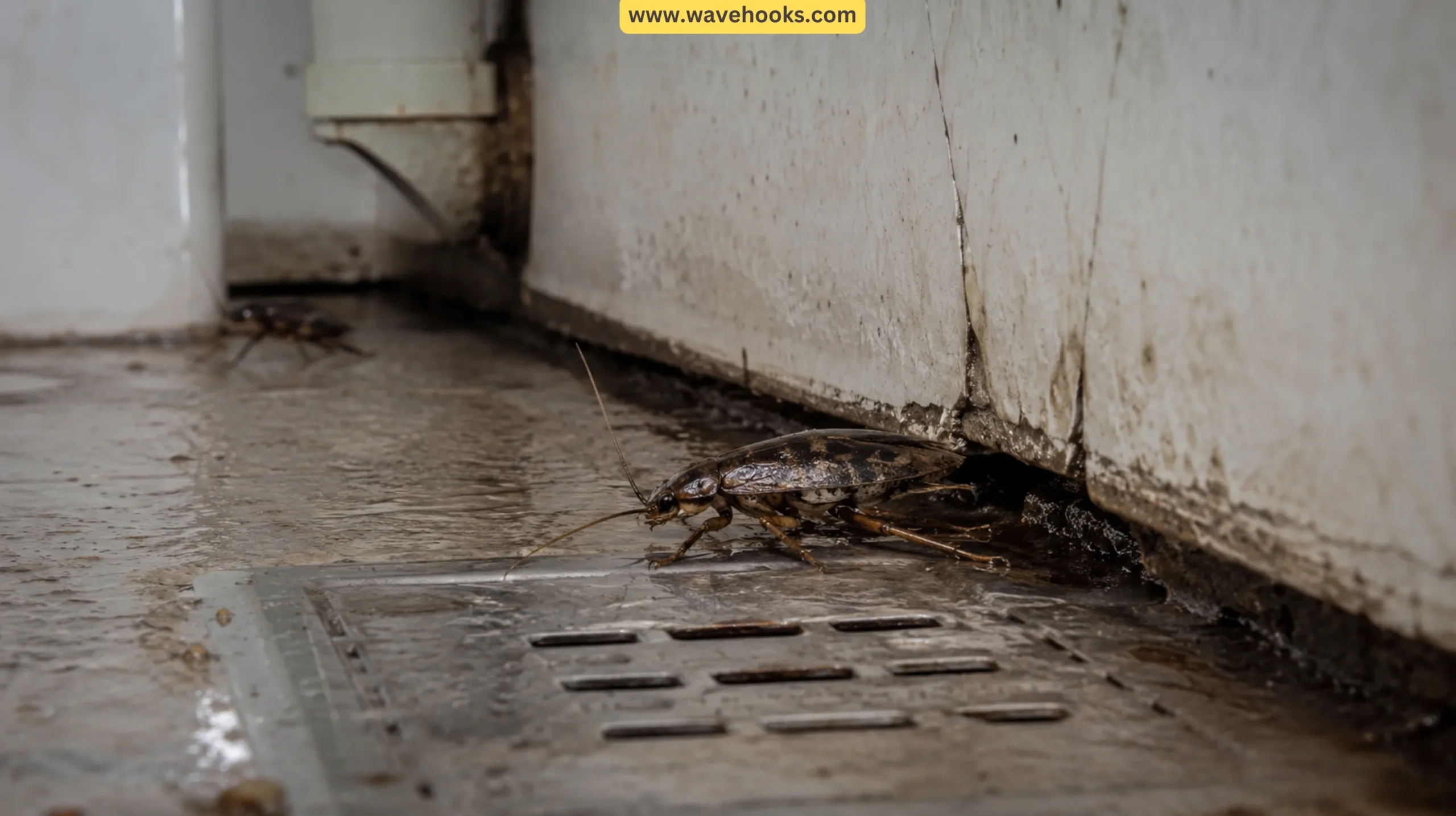
This is the part nobody wants to think about, but it’s worth understanding. Water bugs don’t just appear out of thin air. They’re looking for three things: moisture, warmth, and food. Here are the most common entry points and reasons they show up:
1. They followed the water: Leaky pipes under the sink, a dripping faucet, condensation around your AC unit, any consistent source of moisture is basically a welcome sign. Water bugs are drawn to damp environments.
2. They came in from outside: Cracks in your foundation, gaps around door frames, open windows without screens, and holes where utility pipes enter the wall. These are the highways they use. Oriental cockroaches love to crawl up through floor drains and sewer lines.
3. Your drains are their highway: This one surprises people. The drain in your bathroom or kitchen sink isn’t just a drain; it’s a direct corridor to the sewer system, which is a prime habitat for water bugs. They travel up through the pipes, especially in older homes or buildings.
4. You brought them in accidentally: Grocery bags, cardboard boxes, used furniture, firewood stacked near the house, all of these can carry hitchhikers. You might not even realize it until weeks later when you start seeing them at night.
Are Water Bugs Actually Dangerous?
They won’t attack you, but you should not treat them as harmless. Based on what pest specialists consistently report, roach-like water bugs walk through sewers, drains, and garbage before crawling across your kitchen surfaces.
That means they spread bacteria like Salmonella and E.coli onto counters, food preparation areas, and utensils. For households with children, elderly members, or anyone with asthma or allergies, the risk is even higher.
Cockroach particles are a documented trigger for respiratory problems. One or two bugs are already worth taking seriously. It’s not about them being harsh, but it’s about where they’ve been before they walked across your cutting board.
Suggested Read My Apartment Has Roaches Can I Break My Lease? 10 Weird Rules!
What Kills Water Bugs Instantly?
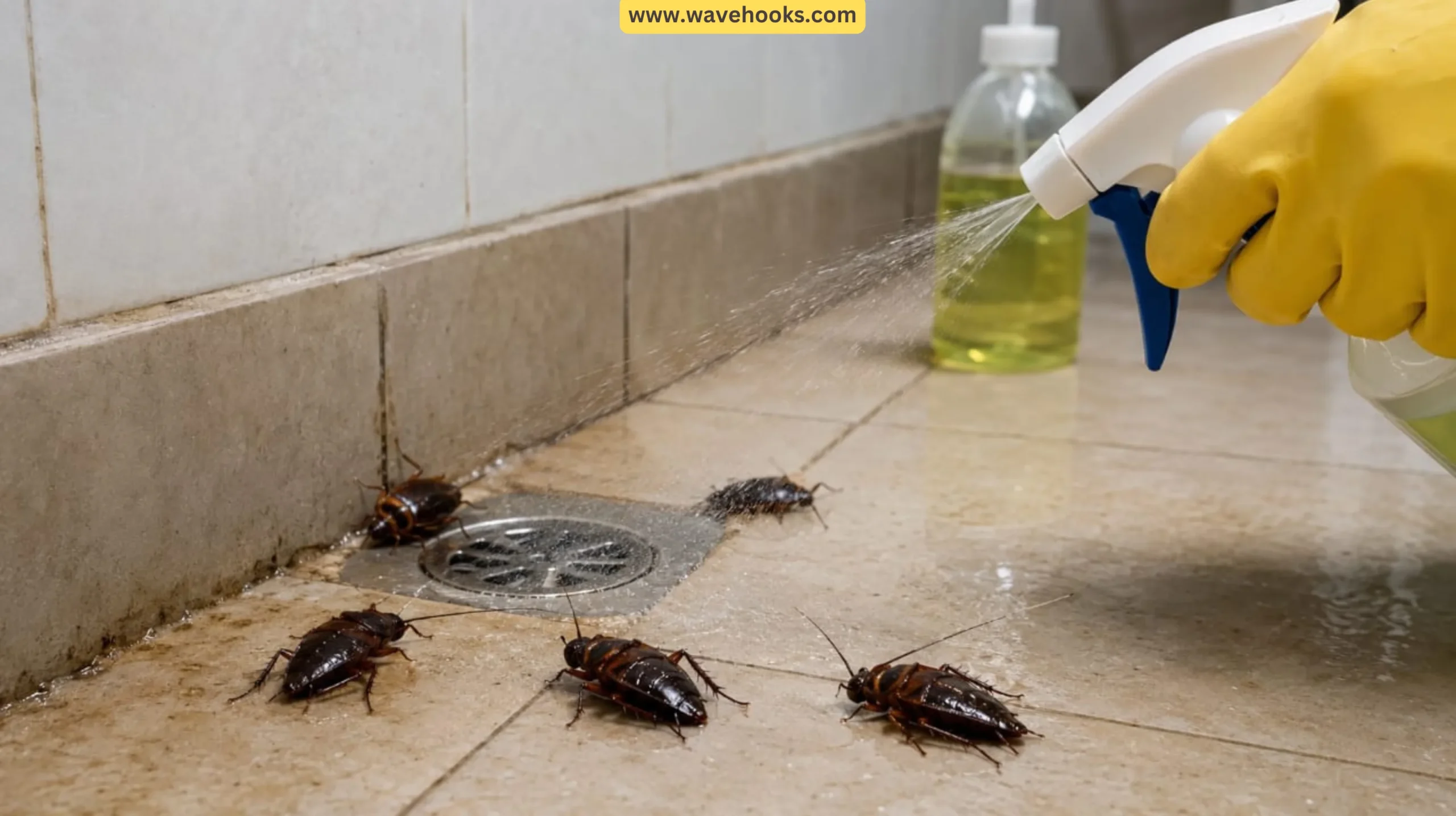
Speed matters when you’re dealing with an active bug in front of you. But the fastest killers only solve the symptom, not the source.
1. Direct-Contact Insecticidal Spray
When you need to stop a moving bug fast, a pest control spray labeled for roaches or crawling insects works immediately on contact. The active ingredient, usually cypermethrin, deltamethrin, or pyrethrin, hits the nervous system quickly.
Most pest professionals will tell you that spray alone never solves the bigger problem. It kills what you see and leaves the source untouched. Use it as a tool, not a solution. Always spray in well-ventilated areas and keep children and pets away until surfaces are dry and the room is aired out.
2. Soapy Water in a Spray Bottle
This is one of those remedies that sounds too simple but genuinely works when applied directly. Mixing a few drops of dish soap with water in a spray bottle creates a solution that clogs the bug’s breathing pores when sprayed directly on it.
It immobilizes and destroys within seconds. Many homeowners keep a spray bottle like this under the sink as a non-toxic option. It works best for people who are looking for how to get rid of water bugs. It only kills the bugs you see and does nothing for the ones hiding nearby.
3. Boric Acid Powder Applied in Cracks
Boric acid is one of the most consistently recommended treatments in pest management research because it works differently from sprays. When a bug walks through the powder, it clings to its body and ultimately kills it by damaging the digestive system and outer coating.
Apply a thin layer inside cabinet cracks, wall gaps, and under appliances. Keep it dry and away from pets and children. Many pest control technicians consider it the most reliable long-term killer available without professional application.
4. Diatomaceous Earth Along Active Pathways
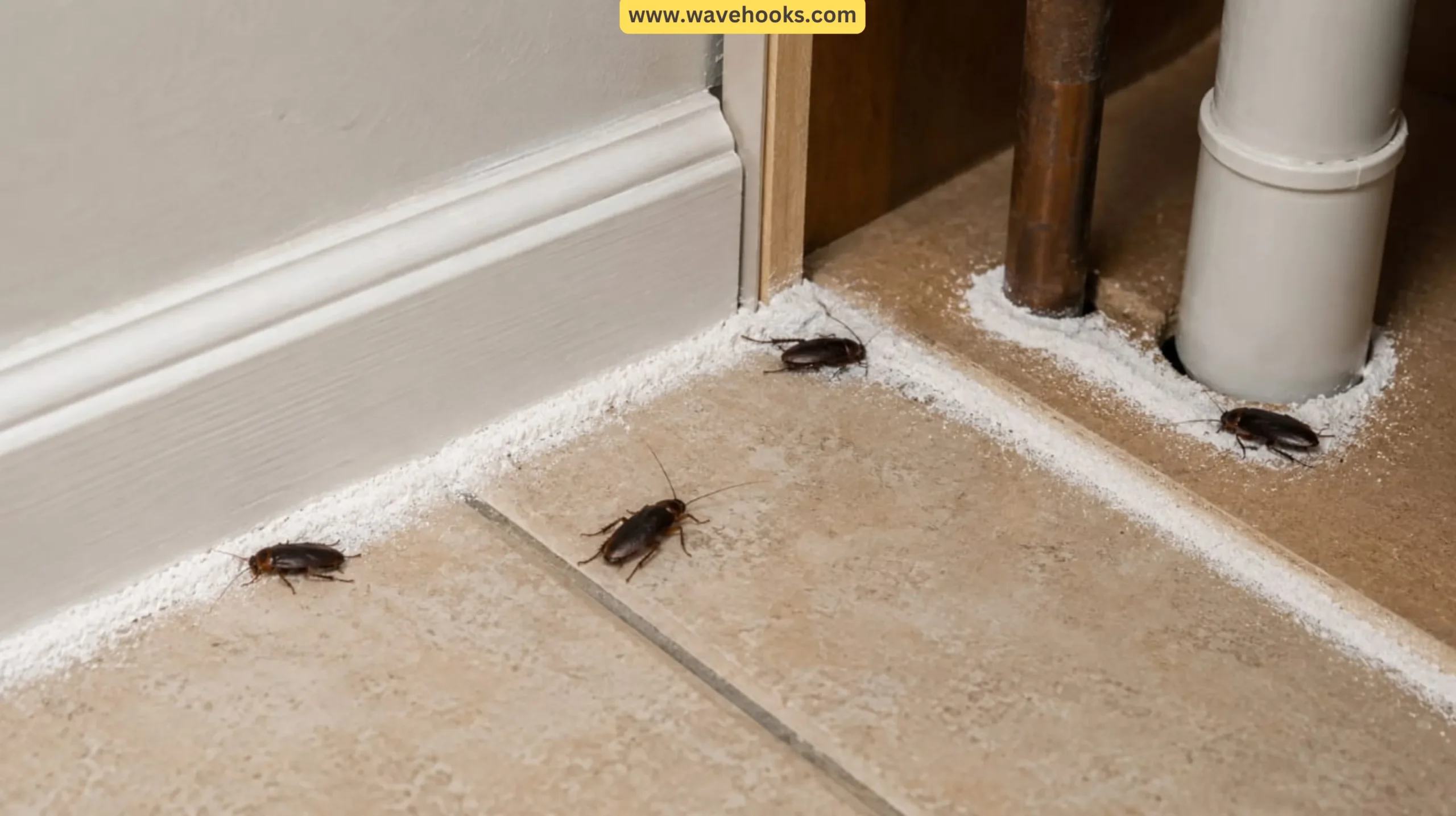
Food-grade diatomaceous earth is made from fossilized algae and works on bugs’ protective exoskeletons, causing dehydration. Apply as a thin dust along baseboards, under appliances, inside cabinet cracks, and near pipe openings. It creates a long-lasting barrier when they walk through it.
It has no chemical smell and is non-toxic to humans in food-grade form. One thing most experienced users highlighted as it stops working when wet, so it needs to stay completely dry to remain effective. Reapply after any moisture exposure.
Also Read: If You Kill A Cockroach Will It Lay Eggs? 15 Worst Myths!
5. Commercial Insecticidal Dust (Delta Dust)
Unlike boric acid and diatomaceous earth, professional-grade insecticidal products that contain deltamethrin or silica gel have longer residual killing power in wall holes, deep cracks, and hard-to-reach areas behind walls and appliances.
Pest control professionals use these in spots where other treatments can’t reach. For homeowners, they are available in hardware stores and applied with a hand duster. Many people who struggled with recurring infestations for months finally found that the residual dust broke the cycle.
6. Pyrethrin-Based Aerosol Spray in holes
Pyrethrin aerosols are designed to find cracks and holes where bugs actually live. The bugs that scatter during spray application run through treated zones and die. This is more targeted than surface sprays and more effective for treating hidden colonies.
Research into urban pest management consistently shows that killing bugs at their hiding source reduces populations faster than surface treatment alone. Use it in the evening when bugs are most active, and seal the treated area briefly to give the product time to work.
7. Gel Bait in Strategic Locations
Gel bait products work differently from contact killers. The bug eats the bait, returns to its hiding area, and dies there, while other bugs feeding on the same remains are also affected. This transfer-kill mechanism is what makes gel baits highly effective at reaching bugs you never see.
Apply small dots inside cabinet hinges, along pipe gaps, under sink corners, and behind appliances. Don’t apply too many small pea-sized amounts is the correct approach that professionals consistently recommend.
8. Vacuuming to Remove Active Bugs and Eggs
This method is non-toxic and fast. For homes with visible bugs, especially in concentrated areas, vacuuming removes live bugs, egg cases, shed skins, and droppings in one step. It eliminates the bug and reduces the population simultaneously.
Use the crevice attachment along baseboards, under appliances, and in cabinet corners. Empty the vacuum bag immediately into a sealed plastic bag and dispose of it outdoors. Leaving the bag inside the house risks live bugs escaping.
Also Read How To Keep Cockroaches Out Of Your Kitchen Drawers(12 Tips)
How to Get Rid of Water Bugs Naturally
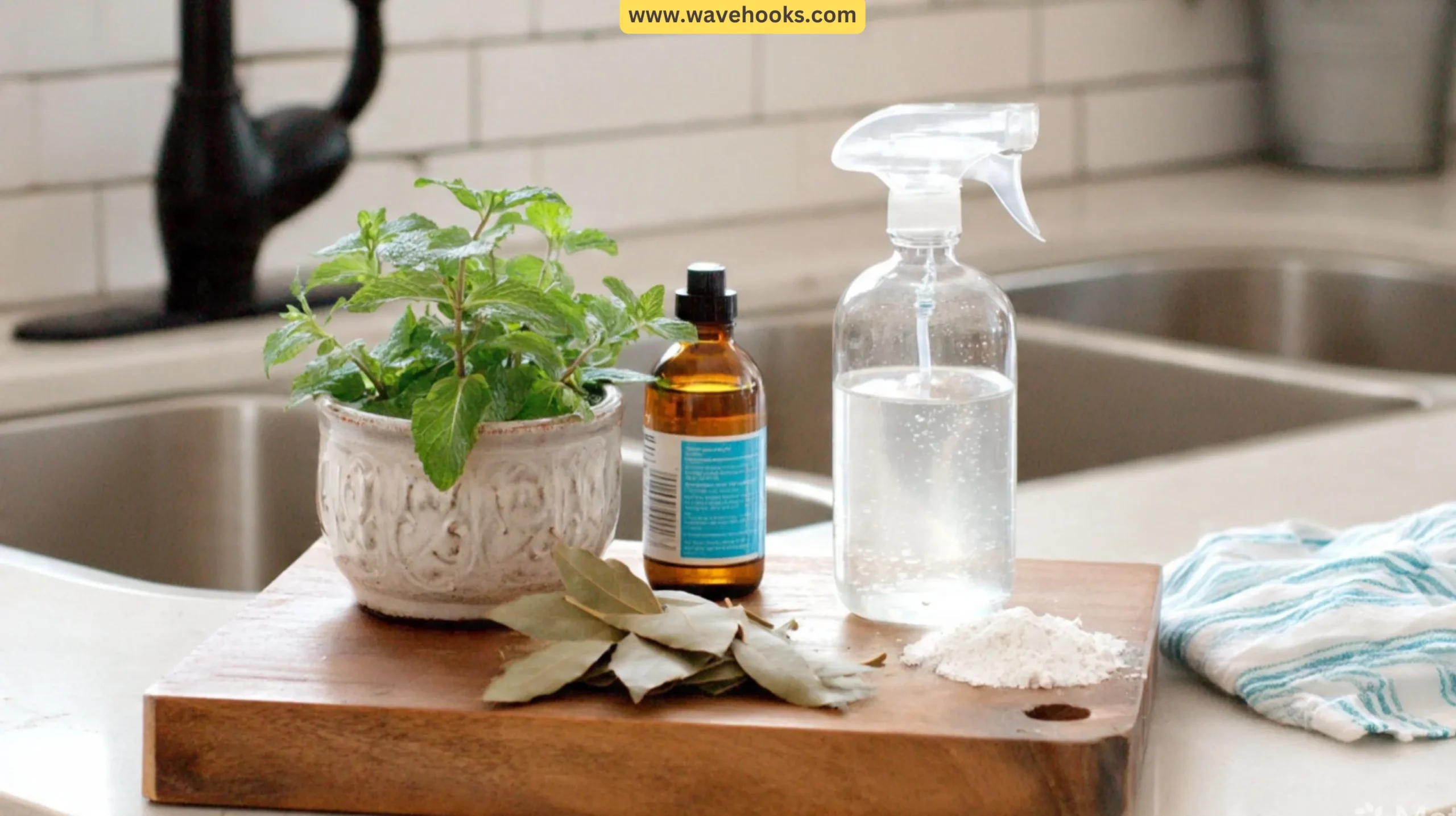
If you want to reduce bugs without strong chemicals, especially in homes with children and pets, these natural methods can be surprisingly effective when used correctly.
9. Peppermint Oil Spray Around Entry Points
Peppermint oil is one of the most widely used natural repellents in pest control communities, and many homeowners try this first when learning how to get rid of water bugs for short-term deterrence. It will not eliminate a heavy infestation, but it helps reduce activity near entry points.
Mix 15–20 drops with water in a spray bottle and apply along baseboards, door entries, under sinks, and near drains. The strong menthol scent interferes with bug trails and makes it uncomfortable to cross. It needs reapplication every few days, especially after cleaning.
10. Vinegar Cleaning Solution for Surfaces
White vinegar is a natural cleaning acid that removes the scent trails of water bugs. Wiping down kitchen counters, sink areas, stovetops, and floor edges with a diluted vinegar solution after cooking disrupts these chemical pathways.
Many pest researchers note that bugs rely heavily on scent-based navigation, so eliminating those trails reduces repeat visits. It’s safe around children and pets. This simple habit is one of the easiest daily steps in how to get rid of water bugs without using harsh sprays.
11. Citrus Peel Placement Near Problem Areas
Citrus fruits contain d-limonene, a natural compound found in the peel that acts as a repellent and, in concentrated form, can kill bugs on contact. Placing fresh citrus peels near entry points, under sinks, behind appliances, and in cabinet corners creates a scent barrier that water bugs avoid.
The peels lose potency within a day or two, so this works best as a short-term deterrent that you refresh regularly. It’s completely safe around children and pets, costs nothing, and adds a fresh scent to treated areas. Many people combine this with peppermint spray for stronger coverage.
12. Bay Leaves in Cabinets and Pantry Corners
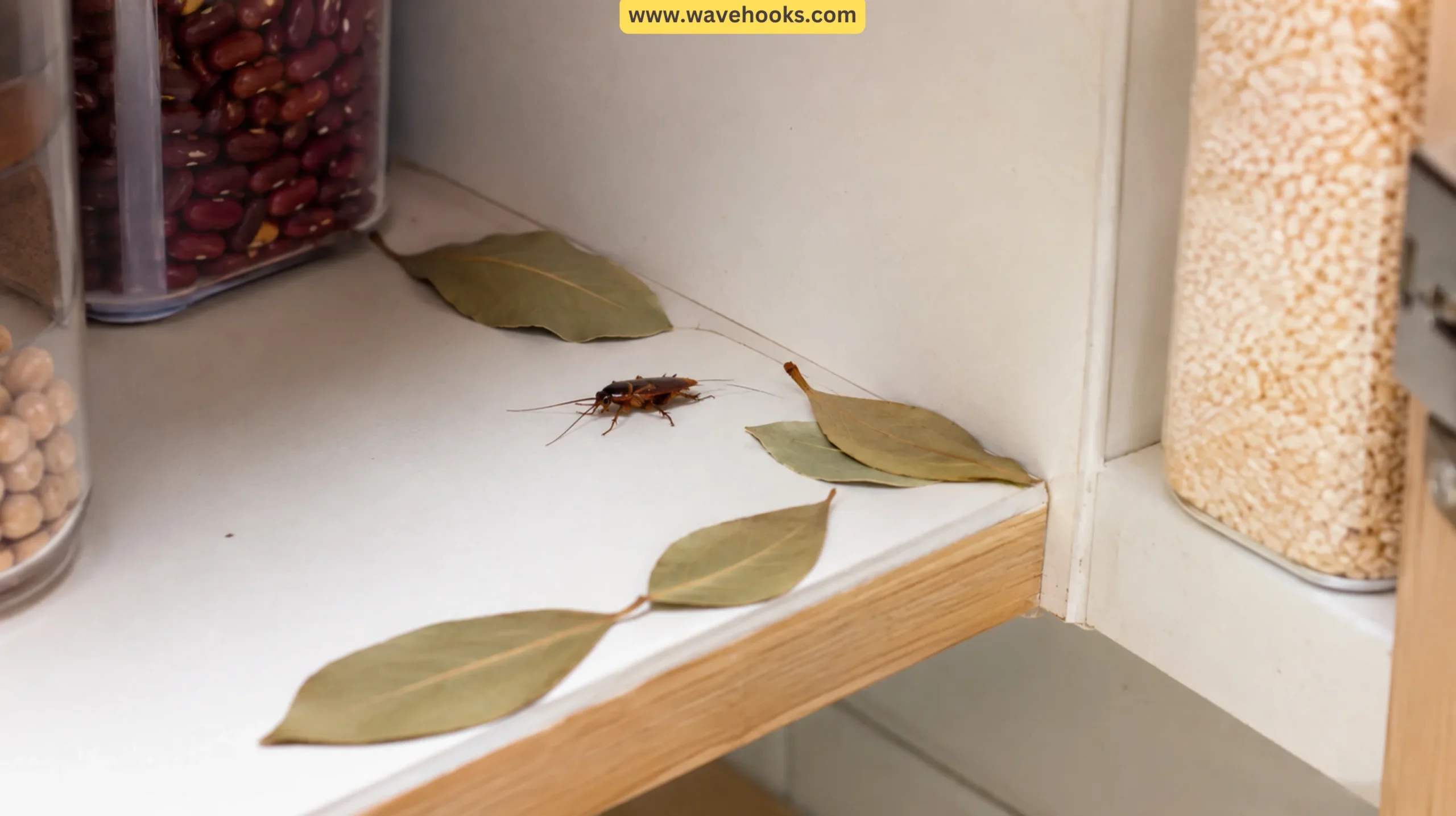
Bay leaves contain compounds that water bugs find strongly repellent, and placing them in kitchen cabinets, pantry shelves, and drawer corners is a practice that goes back generations in many households. It won’t kill existing bugs, but it acts as a deterrent in food storage areas.
Replace them monthly as the scent fades. Many experienced homeowners combine bay leaves with food-grade diatomaceous earth in cabinet corners for a natural one-two approach. The leaves repel entry while the earth kills bug trails.
13. Baking Soda and Sugar Bait Mixture
This combination works on a simple principle. Sugar attracts water bugs, and baking soda disrupts their digestive system when consumed. Mix equal parts and place small amounts in a shallow bottle cap in known activity areas like under sinks, inside cabinet corners, and near drains.
It won’t produce fast results like a commercial bait, but for people who prefer non-chemical approaches, many users report a gradual reduction in activity over one to two weeks. Keep the mixture dry, since moisture deactivates the baking soda. Replace it every few days for the best results.
Suggested Read: Is Baking Soda Safe For Cleaning Acrylic and Fiberglass Showers?
14. Cedar Oil or Cedar Chips in Storage Areas
Cedar is a well-known natural insect repellent, especially effective on moisture-loving pests. Cedar oil sprayed in storage areas, basements, closets, and cabinet edges acts as a repellent that bugs consistently avoid.
Cedar chips placed in drawers, pantry corners, and near plumbing access points provide long-lasting coverage without any reapplication. They are completely pet-safe and non-toxic to humans. Replacing them every six to eight weeks keeps the scent at an effective strength.
15. Neem Oil Spray for Active Infestation Areas
Neem oil is derived from the neem tree and contains azadirachtin, which is useful for anyone looking for how to get rid of water bugs by slowing down their breeding cycle naturally when ingested or absorbed. Pest management researchers cite this as one of the best natural options.
Dilute it with water and a small amount of dish soap and spray along baseboards, cracks, and known activity areas. It doesn’t act as quickly as chemical sprays, but its ability to interfere with the reproductive cycle makes it valuable for reducing population growth over time.
16. Eucalyptus Oil as a Surface Repellent
Eucalyptus oil has a sharp, medicinal scent that water bugs genuinely avoid. Applied along cabinet edges, floor joins, under-sink areas, and near trash zones, it creates a scented barrier without any toxicity risk. Use it consistently as part of a broader natural prevention routine.
Mix 10–15 drops into a spray bottle with water and a small amount of dish soap to help the oil disperse evenly. Reapply every two to three days. It’s not only one of the safest natural options available for homes with pets and young children, but also helps sanitize the surfaces you treat.
Suggested Read 16 Top Effective Mosquito Repellent Plants Safe For Dogs!
How to Get Rid of Water Bugs in the Kitchen
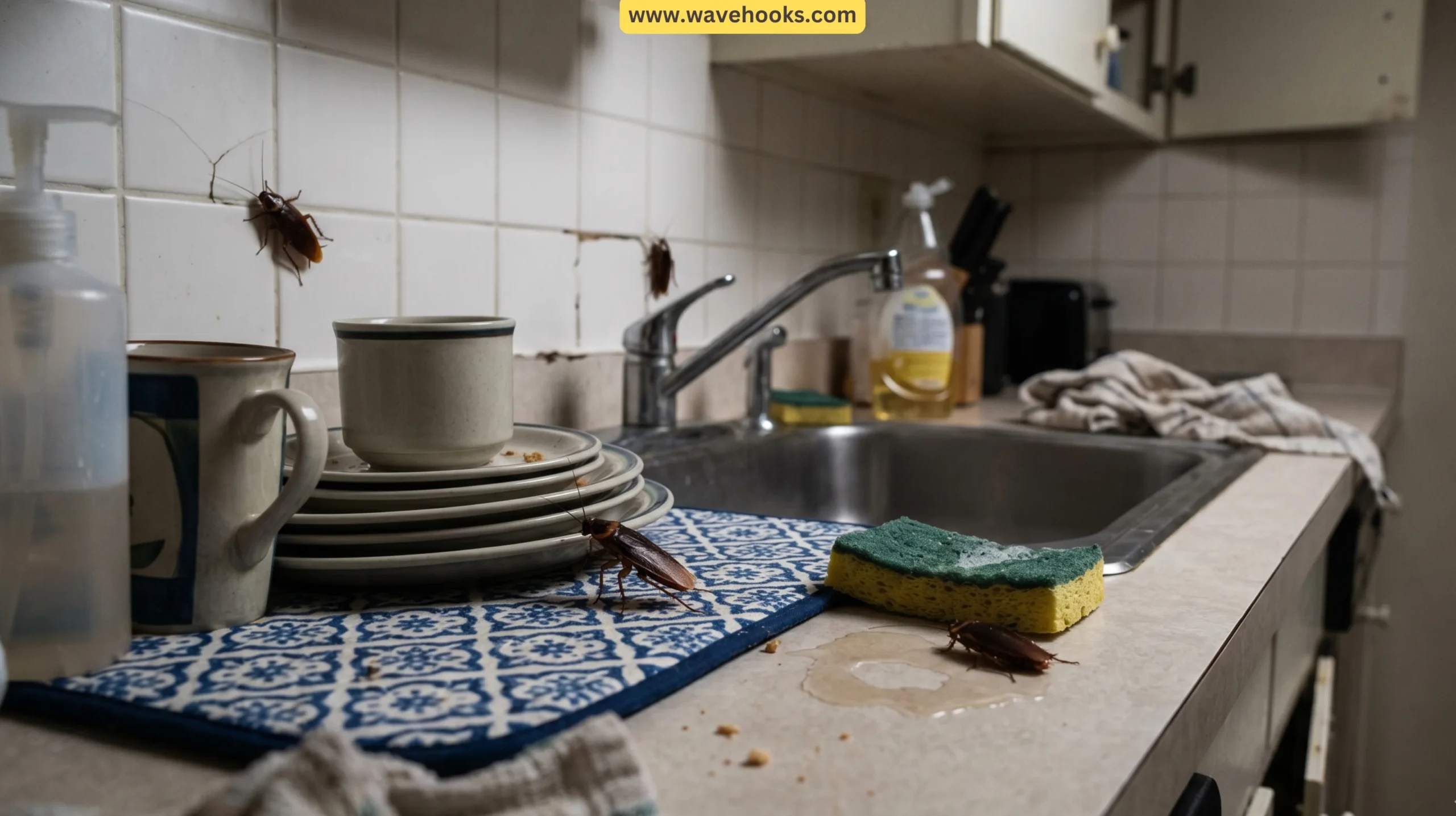
The kitchen is a major base for most water bug problems. It offers everything they need in one room, like food, water, warmth, and hiding spots. Here are some ways to get rid of waterbugs in the kitchen:
17. Clean Under the Refrigerator Thoroughly
Anyone learning how to get rid of water bugs in the kitchen should start here because this is the most neglected space in any kitchen. Food particles, dust, moisture from the drip pan, and warmth from the motor create perfect living conditions.
Most homeowners never pull the refrigerator out for months or even years. When pest professionals inspect heavily infested kitchens, this area will always reveal droppings, grease buildup, and egg cases. Pull it out, clean the area, and dry completely before pushing it back.
18. Fix Leaking Pipes Under the Kitchen Sink
Fixing is one of the most important steps in how to get rid of water bugs because a slow drip under the kitchen sink is an active water source for bugs. The cabinet under the sink stays dark, is rarely disturbed, and becomes permanently damp when a pipe drips.
Pest control professionals consistently identify kitchen sink leaks as a primary driver of persistent infestations. Fix leaks immediately, dry the cabinet interior, line it with shelf liner to make cleaning easier, and check monthly. A dry cabinet is less hospitable than a damp one.
Must Read: Is a Clogged Vent Pipe Dangerous? Stop Ignoring These Signs!
19. Switch to Sealed Food Containers Immediately
Open bags of flour, rice, cereal, pasta, sugar, and snack foods are one of the most overlooked invitations for water bugs in any kitchen. Every pest management guide recommends moving all dry goods into airtight glass or hard-plastic sealed containers.
It helps you detect contamination early. This is especially necessary for foods stored in lower cabinets or on pantry floors. The change costs very little but removes one of the biggest reasons water bugs keep returning to your kitchen repeatedly.
19. Remove Grease Buildup From Stove Edges
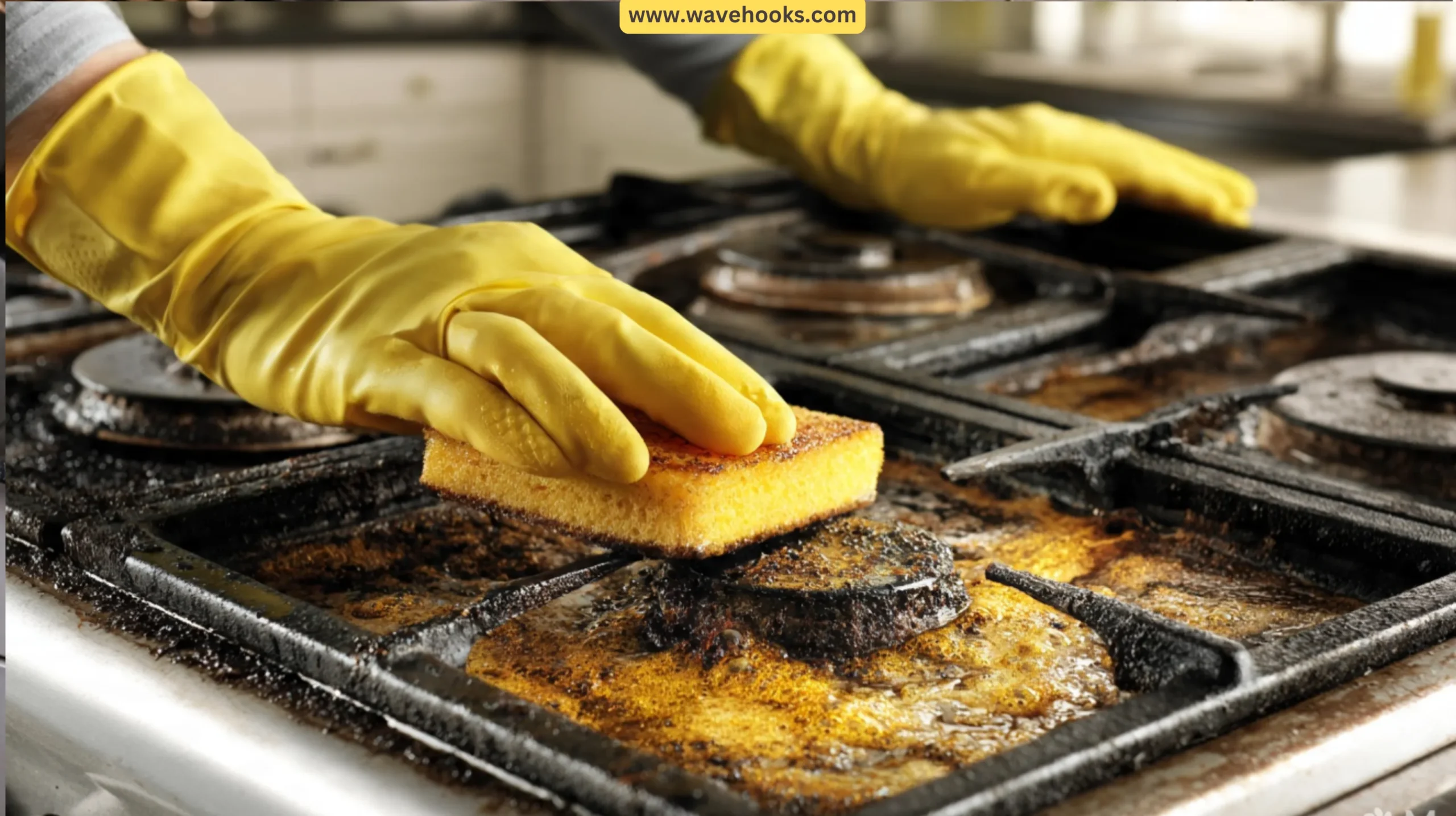
Grease is a food source that most people don’t think to address when trying to eliminate water bugs. The edges around the stove, the drip pans, the area behind the oven, and the space between the stove and counter collect grease from daily cooking without being cleaned as regularly as surfaces.
Water bugs are drawn to this grease, especially at night when the kitchen is quiet. Deep-clean the stove area monthly, wipe down side edges weekly, and use a degreasing spray behind and around the unit. This one change reduces kitchen activity in homes.
Also Read: 7 Shocking Ways How To Clean Stovetop Burners With Vinegar!
21. Address Nighttime Kitchen Infestation Patterns
Water bugs are most active in the kitchen between midnight and 4 AM when the house is quiet, dark, and undisturbed. This is why many people never see them during the day and are shocked to find them at night.
The best response is to remove every food and water source before bed, like washing all dishes, wiping counters, drying the sink, sealing the trash, and. This nightly routine consistently produces a visible reduction in activity within a week for homeowners who follow it reliably.
22. Check Hidden Kitchen Hotspots Most People Ignore
The most experienced pest control technicians always check spots that homeowners consistently overlook. These include the space behind the dishwasher, cabinet hinges and drawer slides, around the pipe openings in under-sink cabinets, and the gap between the counter and the wall.
These areas rarely get cleaned and inspected. Shining a flashlight into each one once a month takes five minutes and helps you catch early activity before it becomes a full infestation. Egg cases found in these spots are a reliable early warning sign.
23. Take Out Kitchen Trash Before Bedtime
Leaving a kitchen trash bin overnight is one of the most consistent patterns seen in homes with frequent water bug activity. The combination of food scraps, moisture from waste, and organic decay creates an extremely attractive environment.
Take the trash out every evening, and use a sealed bin with a tight-fitting lid. Rinse the bin weekly with hot soapy water and a drop of tea tree oil. Many homeowners find that this single habit change, more than any spray or trap, reduces visible kitchen bug activity within days.
Suggested Read: Smell Under Kitchen Sink? 10 Hidden Causes You Must Know!
24. Stop Leaving Dirty Dishes Overnight
This simple habit supports how to get rid of water bugs because dishes left in the sink overnight, even soaking in water, provide a nice hotspot for water bugs. Grease residue, food particles, and standing water in the basin are enough to sustain repeated nightly visits.
Pest behavior research consistently shows that water bugs are opportunistic feeders. Wash all dishes before bed, dry the sink, and if you must leave dishes overnight, at least rinse them clean and remove all food residue. It’s a small change that sends them looking elsewhere.
How to Get Rid of Water Bugs in the Bathroom
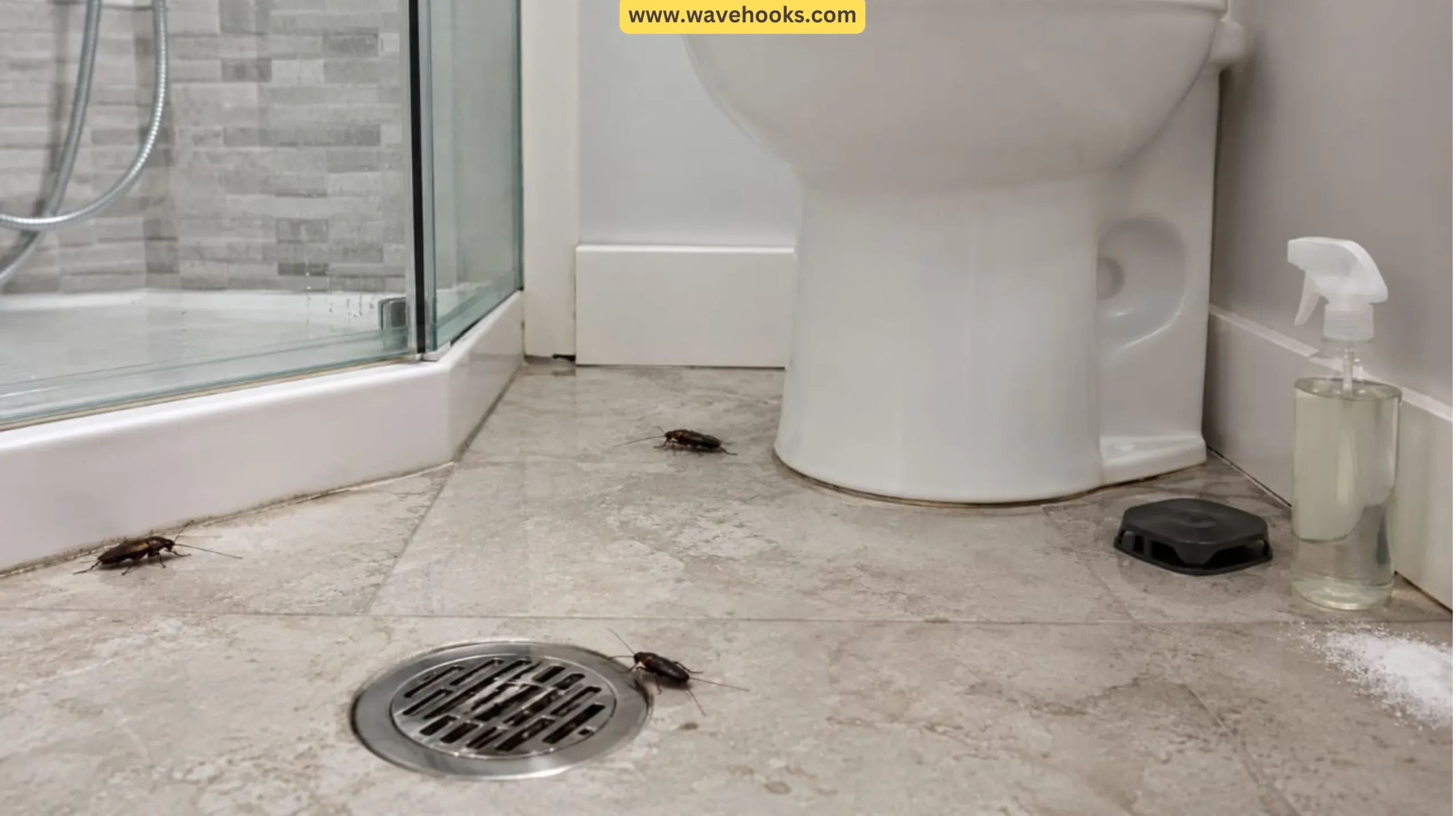
Bathrooms develop moisture problems quietly and quickly. If you see water bugs near the toilet, tub, or sink regularly, the bathroom environment itself is the issue. Here are some ways to fix that:
25. Fix the Toilet Seal Before Anything Else
The wax ring seal at the base of the toilet is something most people never think about unless it fails. But a little rusted or improperly fitted seal allows both moisture and pests from the plumbing.
Pest control technicians frequently identify failed toilet seals as an overlooked entry and breeding point in bathroom infestations. If water bugs keep appearing near the toilet even after cleaning, check whether the base of the toilet shows moisture staining or has a faint sewer odor.
26. Dry the Bathroom Floor Every Night
This is one of the simplest daily habits for those who are searching for how to get rid of water bugs because wet bathroom floors are not just a safety hazard, but they are a nightly invitation.
After showers, the floor retains moisture, which is exactly what water bugs are searching for. Many homeowners who started wiping down the bathroom floor with a dry towel each evening reported a noticeable reduction in bug sightings within one to two weeks.
27. Seal Pipe Gaps Around Bathroom Plumbing
Sealing the spaces where pipes enter through walls and floors is a key step in how to get rid of water bugs because it blocks hidden bug entry points in bathrooms. Even a small opening is large enough for a water bug to pass through freely.
A thorough inspection behind the toilet, under the sink, and around the bathtub pipes reveals gaps that have never been sealed or that have opened up over the years. Use silicone caulk or expanding foam to close these gaps. This is a permanent fix that requires no ongoing maintenance.
28. Clean and Treat Bathroom Drains Weekly
Anyone who is learning how to get rid of water bugs in the bathroom should treat the shower drain, sink drain, and bathtub drain carefully because they accumulate hair, soap scum, and organic buildup that creates a feeding zone for bugs.
A weekly cleaning routine, like removing the drain cover, scrubbing with a brush, and flushing with hot water, followed by an enzyme drain cleaner, prevents the buildup that attracts them. Many pest professionals specifically recommend enzyme cleaners over bleach.
Also Read: How To Deep Clean A Shower Drain Without Harsh Chemicals!
29. Check the Worst Bathroom Hiding Places First
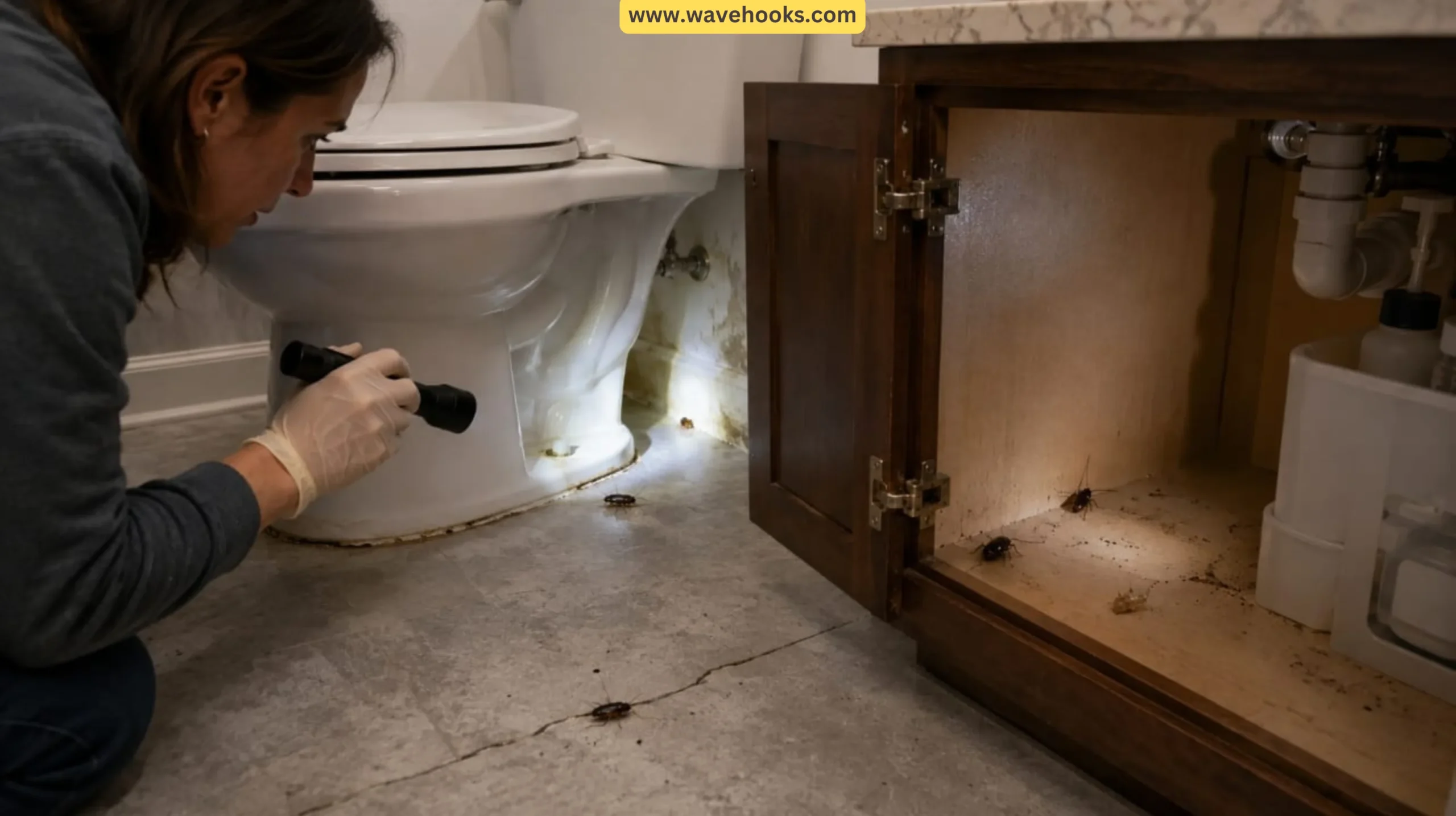
When assessing a bathroom infestation, experienced pest technicians always start with the same spots that homeowners routinely miss. The wall behind the toilet, the vanity cabinet, the floor cracks near the toilet base, and the back corners of the cabinet.
These areas stay damp, dark, and undisturbed for months. Use a flashlight and check each one. Droppings, shed skins, smear marks, or egg cases in any of these spots confirm an active population in those specific zones.
30. Wash Bath Mats and Towels Regularly
Bath mats and towels that stay damp between uses are a small but real moisture source that contributes to the bathroom environment where water bugs thrive. Wet bath mats left flat on the floor trap moisture, creating a warm, dark patch where bugs can live.
Hang mats and damp towels after use, wash them weekly, and replace heavily worn mats. These are minor changes, but combined with other drying habits, they contribute meaningfully to reducing the overall moisture level that water bugs depend on.
Suggested Read: Bath Mat Vs Bath Rug: Which One Belongs In Your Home?
31. Run the Exhaust Fan After Every Shower
Many homeowners turn the exhaust fan off immediately after stepping out of the shower. Keeping the fan running for ten to fifteen minutes after a shower removes the moisture that settles on walls, floors, and inside cabinets.
In homes without exhaust fans, opening a window achieves similar airflow. Chronically damp bathrooms where humidity stays throughout the day develop moisture in wall cavities and behind tiles. Consistent ventilation is one of the most underrated long-term bug prevention habits.
32. Place Traps Behind the Toilet and Under the Vanity
Sticky traps are most effective when placed where bugs actually travel, not in the middle of the floor. In bathrooms, the two highest-traffic zones for water bugs are directly behind the toilet and the back corners of the vanity cabinet under the sink.
Placing a sticky trap in each location provides both a population-control tool and a monitoring device. If a trap fills quickly, that zone has active bug movement and needs direct treatment. If traps stay empty for two weeks, that area is clear. Many pest professionals use traps before applying any chemical.
Also Read Can I Put Water Softener Salt in My Toilet Tank? 10 Big lies!
How to Get Rid of Water Bugs in Drains
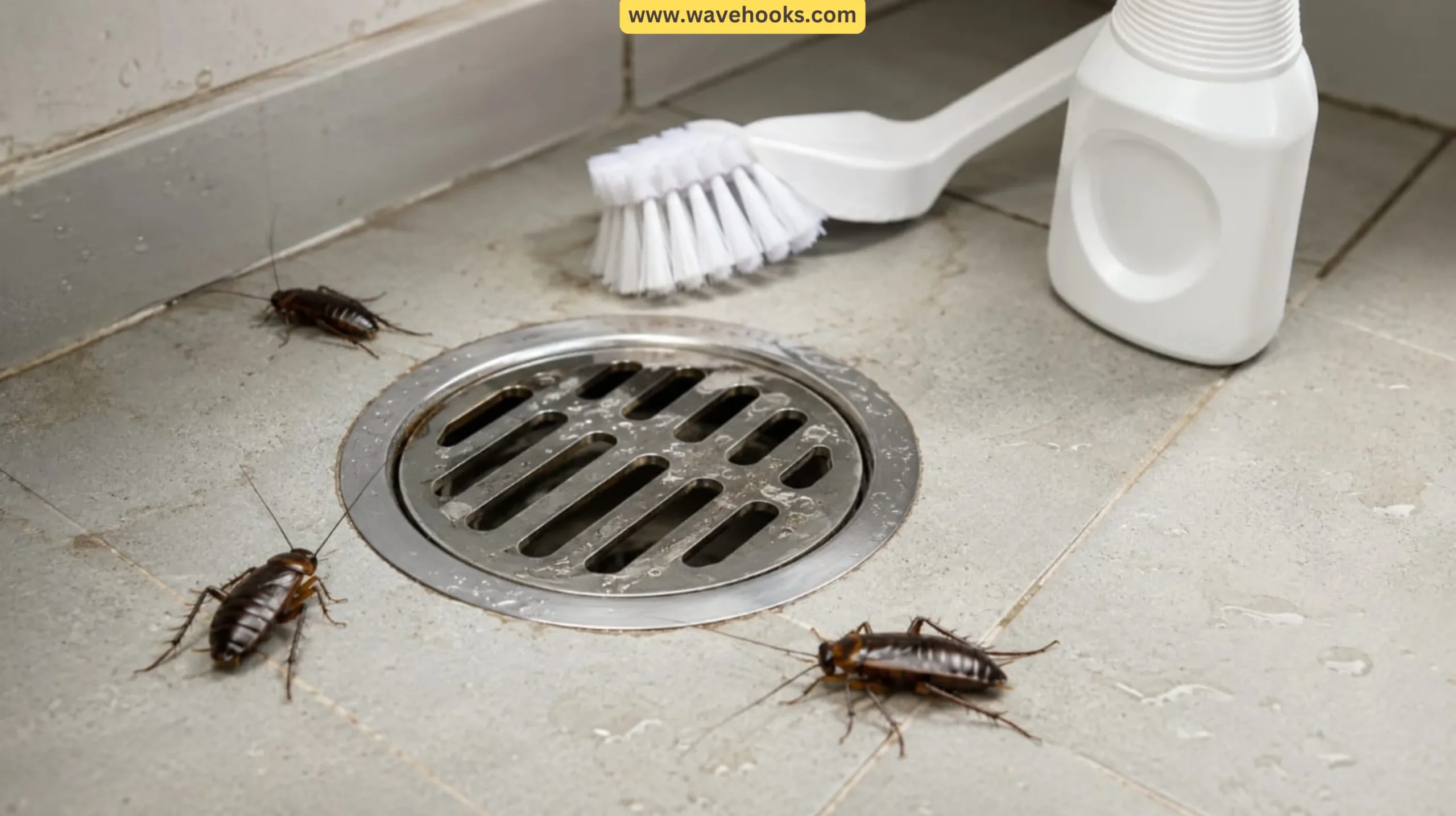
Drains are one of the most consistent problem areas because they are naturally damp, dark, and full of organic material that bugs feed on.
33. Flush Drains With Boiling Water Weekly
One of the simplest drain-maintenance habits is pouring a kettle of boiling water down kitchen and bathroom drains once a week. The heat kills surface bacteria and loosens the thin layer of organic matter that builds up along drain walls and serves as a food source for bugs.
It does not permanently clear heavy buildup on its own, but as part of a routine, it keeps drains cleaner between deeper cleanings. Many households that adopted weekly boiling water flushes reported noticeably less drain odor and a reduction in bugs appearing near sink areas.
34. Use a Drain Brush to Remove Physical Buildup
This is one of the important steps for anyone learning how to get rid of water bugs. The sticky buildup of hair, grease, soap residue, and food particles clings to the inside of drain walls and drain stoppers and needs physical removal.
A long-handled drain brush will help to scrub the inside of the drain pipe. Cleaning this way once or twice monthly removes the organic material that bugs are actually feeding on. Many homeowners who struggled observed a bigger difference than any chemical flush.
35. Use Enzyme Drain Cleaners Instead of Bleach
The instinct to pour bleach down a drain when bugs appear is understandable, but pest management research consistently shows it is one of the biggest drain-cleaning mistakes. Bleach temporarily reduces odor and kills surface organisms, but does not break down the organic matter.
Enzyme-based drain cleaners work differently. They digest the organic material itself, removing the food source rather than masking it. Used monthly in kitchen and bathroom drains, enzyme cleaners create a less hospitable environment for bugs to return.
Suggested Read: Does Bleach Kill Cockroaches? 10 Truths No One Tells You!
36. Cover Drains at Night When Necessary
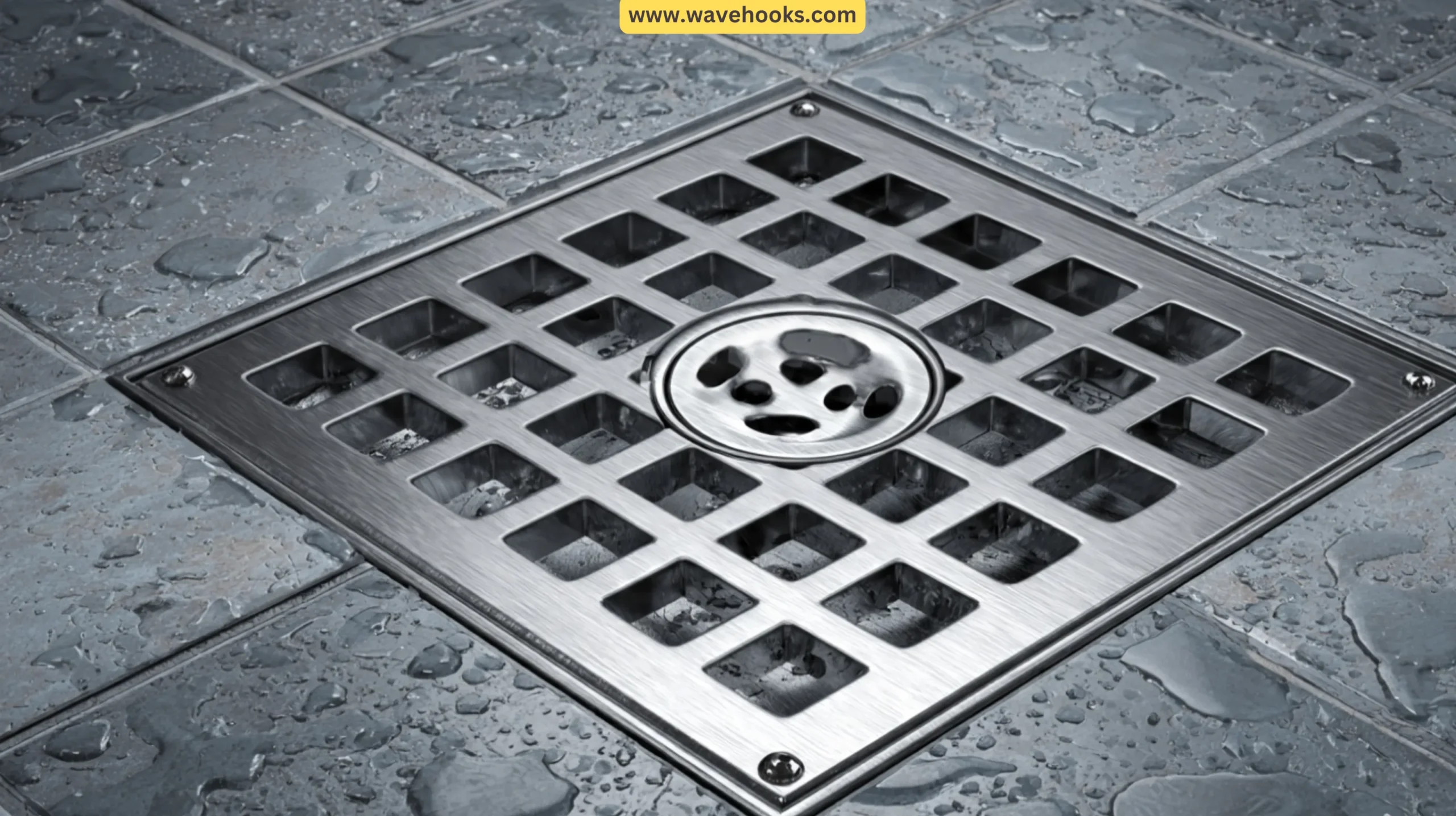
Water bugs that have set a route through drains are more likely to use those drains at night when activity increases. Drain covers available as rubber stoppers, mesh screens, or silicone suction-cup covers can block that pathway during sleeping hours when you cannot monitor activity.
This is useful during the early stages of treatment. Many apartment tenants find drain covers an effective overnight barrier. They do not replace deeper cleaning and treatment, but they disrupt the movement pattern that allows bugs to reach the living area regularly.
36. Watch for Signs They Are Coming From Pipes
This is important in how to get rid of water bugs because this is the most common mistake homeowners make in treating visible bugs without checking where they are emerging. Some signs that bugs are coming from pipes or drain areas include bugs near sinks or tubs in rooms.
If multiple signs are present, the problem is below the surface. In these cases, treatment needs to include the drain interior and potentially the plumbing access panels rather than just the visible surfaces around it.
38. Avoid Pouring Grease Down Kitchen Drains
Stopping grease is one of the smart steps for those who are looking for how to get rid of water bugs. Even small amounts of cooking grease flushed down the sink daily accumulate along pipe walls and harden over time.
Let cooking grease cool and solidify in a can or container, then dispose of it in the trash. This one kitchen habit change reduces drain buildup significantly and is something pest control professionals consistently mention when addressing recurring kitchen infestations.
Suggested Read:Why Is It Necessary To Clean Vent Hoods For A Safer Kitchen?
39. Fix Slow Drains Before They Become Breeding Zones
A slow drain is not just a plumbing problem, but it is an early-stage infestation risk. Standing water in a slow drain creates a moist environment that water bugs are most attracted to. The longer water sits in a partially blocked drain, the more organic material it deposits as it evaporates.
Fix slow drains using a drain snake, a plunger, or a professional service before the buildup progresses. Every homeowner who has dealt with a serious drain infestation will tell you the same thing.
40. Create a Long-Term Drain Maintenance Schedule
Based on what pest control professionals recommend for drain-area prevention, flush with boiling water weekly, scrub with a drain brush and enzyme cleaner monthly, and have a plumber inspect drain lines annually if you live in an older home or apartment building.
Writing this down and treating it like any other home maintenance task turns it from something you do reactively after you see a bug into something that prevents the problem from returning. Consistency over intensity is the pattern that works long-term.
How to Get Rid of Water Bugs in an Apartment
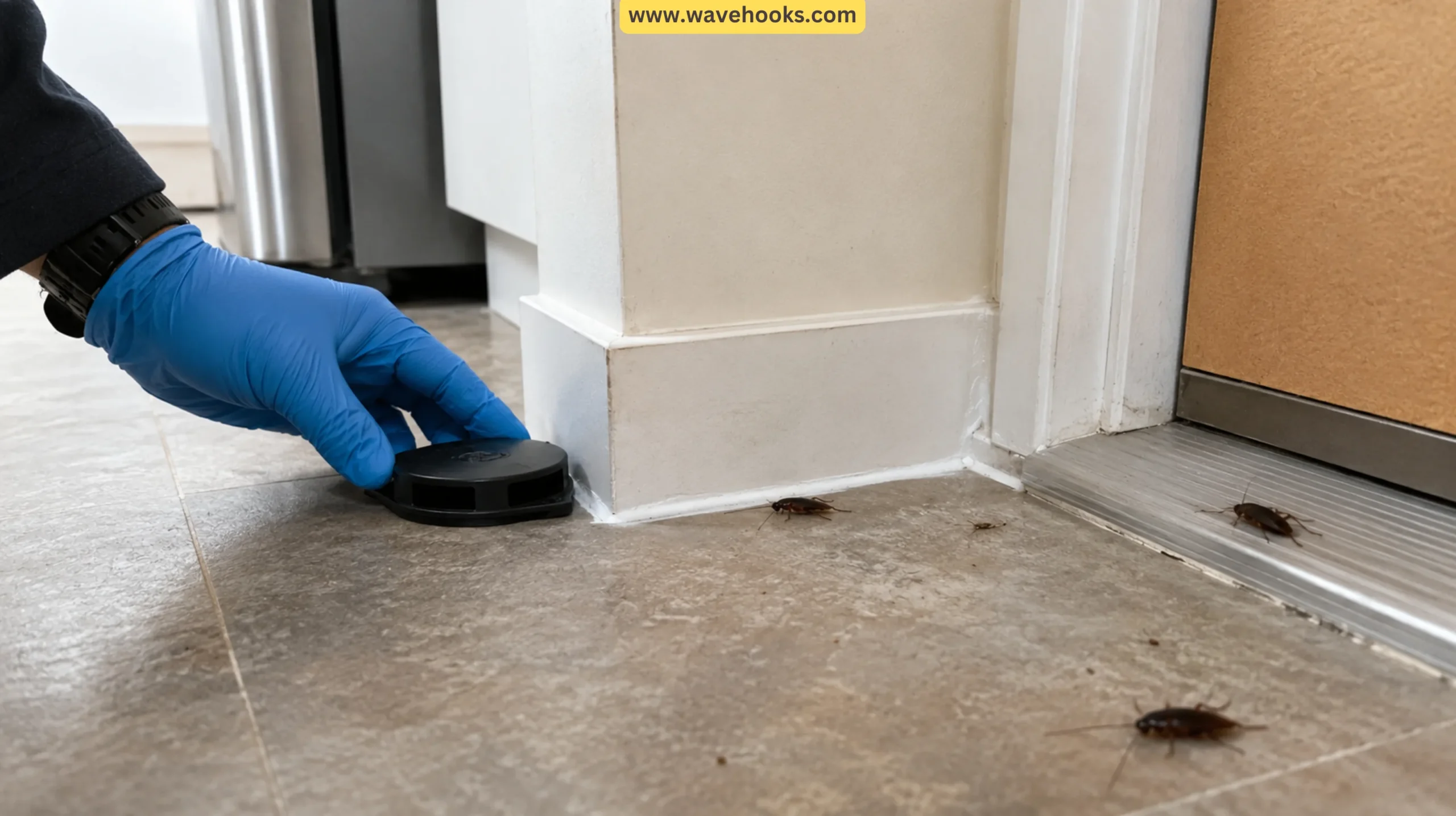
Apartment infestations come with unique challenges that single-family homeowners don’t face. Shared walls, shared plumbing, and common areas all create entry paths that are difficult to control individually.
41. Understand How Shared Plumbing Spreads Infestations
Learning how to get rid of water bugs in apartments starts with understanding the pipe systems that run through multiple floors and units. Water bugs can move through these systems from one unit to another without ever entering a hallway.
If a neighbor has an active infestation, bugs can migrate to your unit through the same pipe system, regardless of how clean your home is. This is why apartment infestations often feel impossible to resolve alone. Sealing the pipe gaps is the only trick for this problem.
42. Seal Shared Wall Gaps and Utility Openings
One important step in how to get rid of water bugs is blocking the most common entry points in apartments, such as walls meeting floors, gaps around electrical outlets on shared walls, utility openings behind dishwashers, and washing machines. Bugs can enter through these tiny gaps.
A tube of silicone caulk applied along baseboards, pipes, and behind outlet covers on shared walls creates a physical barrier. Many apartment residents who tried every spray and trap without success found that thorough caulking finally stopped continuous reentry from adjacent units.
Also Read How To Get Rid Of Very Tiny Bugs In Bathroom: 25 Sneaky Tips!
43. Identify Apartment Areas Most at Risk
Certain areas in apartment units, like laundry closets, utility rooms, spaces under bathroom vanities, and areas near trash drains, are high-risk zones. In apartments with shared laundry facilities, bugs can travel from the basement laundry area through utility pipe channels into individual units.
Balcony doors with poor sealing, ground-floor units near dumpster areas, and units directly above or below known-infested units are statistically more at risk. Knowing which zones need the most attention helps you concentrate prevention resources where they matter most.
44. Prevent Bugs in Small Spaces With Strategic Storage
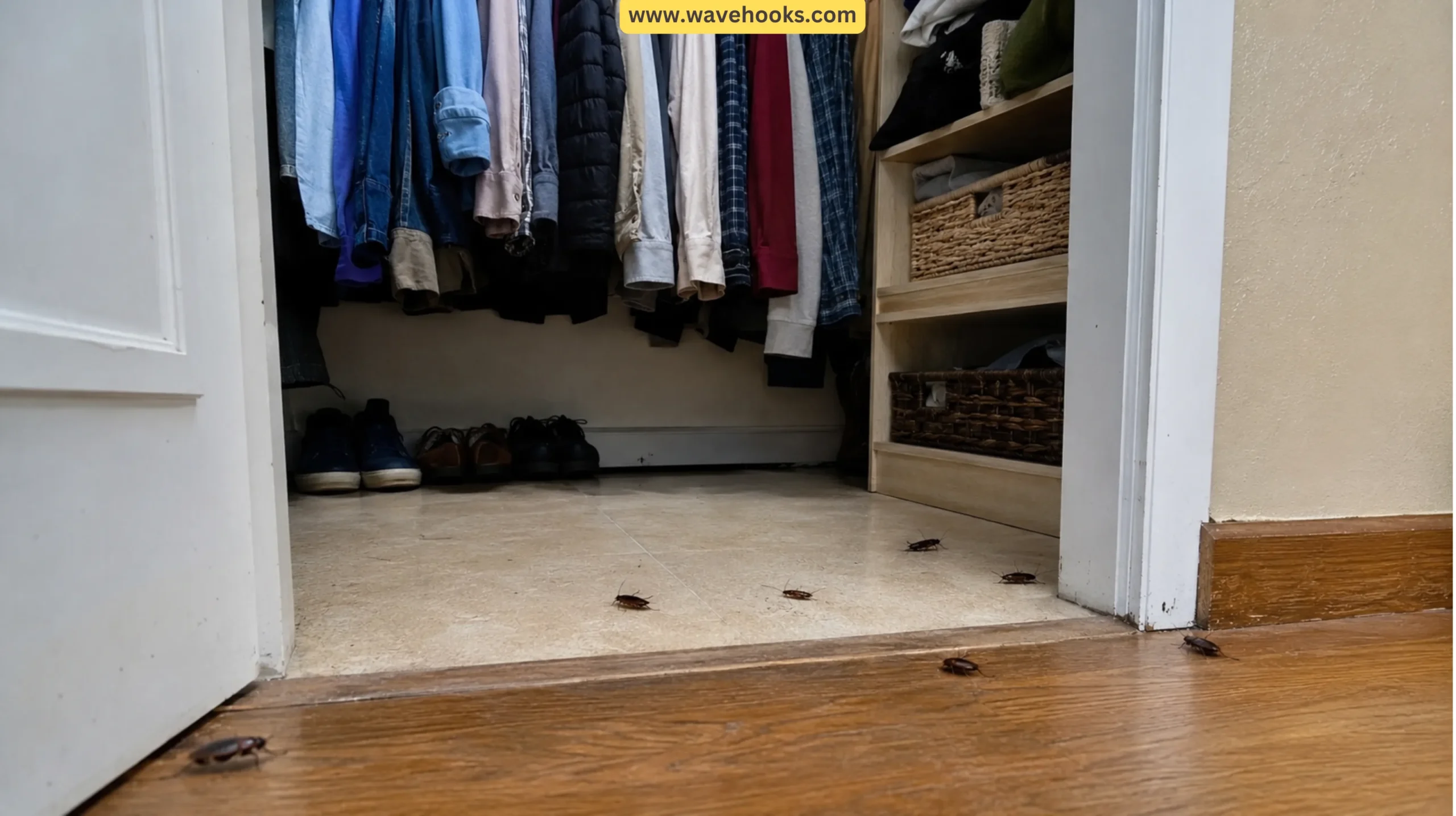
Small apartments have less storage space, which means food, cleaning supplies, clutter, and household goods are stored closer together. Water bugs thrive in undisturbed areas. Using elevated wire shelving rather than floor-level solid shelves allows airflow and makes it harder for bugs to hide.
Storing items in hard-sealed containers rather than cardboard boxes removes both nesting material and food sources. Regularly checking and reorganizing storage areas, even just once a month, prevents the undisturbed conditions that let bug populations grow.
45. Document Everything Before Contacting Management
If you are finding how to get rid of water bugs, approach your landlord about a water bug problem, and document the issue thoroughly. Take dated photographs of bugs, egg cases, droppings, and any moisture or structural issues you can observe.
Note which areas are affected and track whether activity is increasing or decreasing over time. This documentation protects your rights as a tenant, if the situation escalates to a formal complaint, and makes your report to management far more credible and actionable.
46. Address the Trash Situation Actively
Many apartment buildings have shared trash rooms, trash chutes, or dumpster areas that generate consistent pest activity. You cannot control what happens in the trash room, but you can make your unit’s waste management system reduce bug activity in neighboring areas.
Line your kitchen trash bin with a tight-fitting bag, use a bin with a sealed lid, take waste out every one to two days rather than letting it accumulate, and clean the inside of your bin weekly with hot water and a few drops of tea tree oil.
47. Check Laundry and Utility Areas Monthly
In apartments, laundry closets, utility rooms, and water heater cabinets are usually neglected areas that receive almost no regular cleaning or inspection. These spaces stay damp, warm, and dark.
Monthly checks of these areas, including a flashlight inspection of corners, drains, and pipe connections, catch early bug activity before it spreads to the rest of the unit. Treating these spaces with diatomaceous earth or boric acid in cracks provides ongoing passive protection.
Suggested Read: Why Does My Laundry Room Smell Like Sour Milk: 8 Top Causes!
48. When and How to Contact Property Management Effectively
Contact property management if you observe any of the following signs. Multiple bugs in different rooms, bugs from drains or walls, bugs in shared spaces like hallways or laundry rooms, or reports of the same problem from neighboring tenants.
Submit your request in writing rather than verbally, so there is a clear record. Specify the locations, describe the evidence, include your photos, and request a written response. If the property does not respond, many regions have tenant protection agencies that handle pest-related complaints.
How to Get Rid of Water Bugs Outside
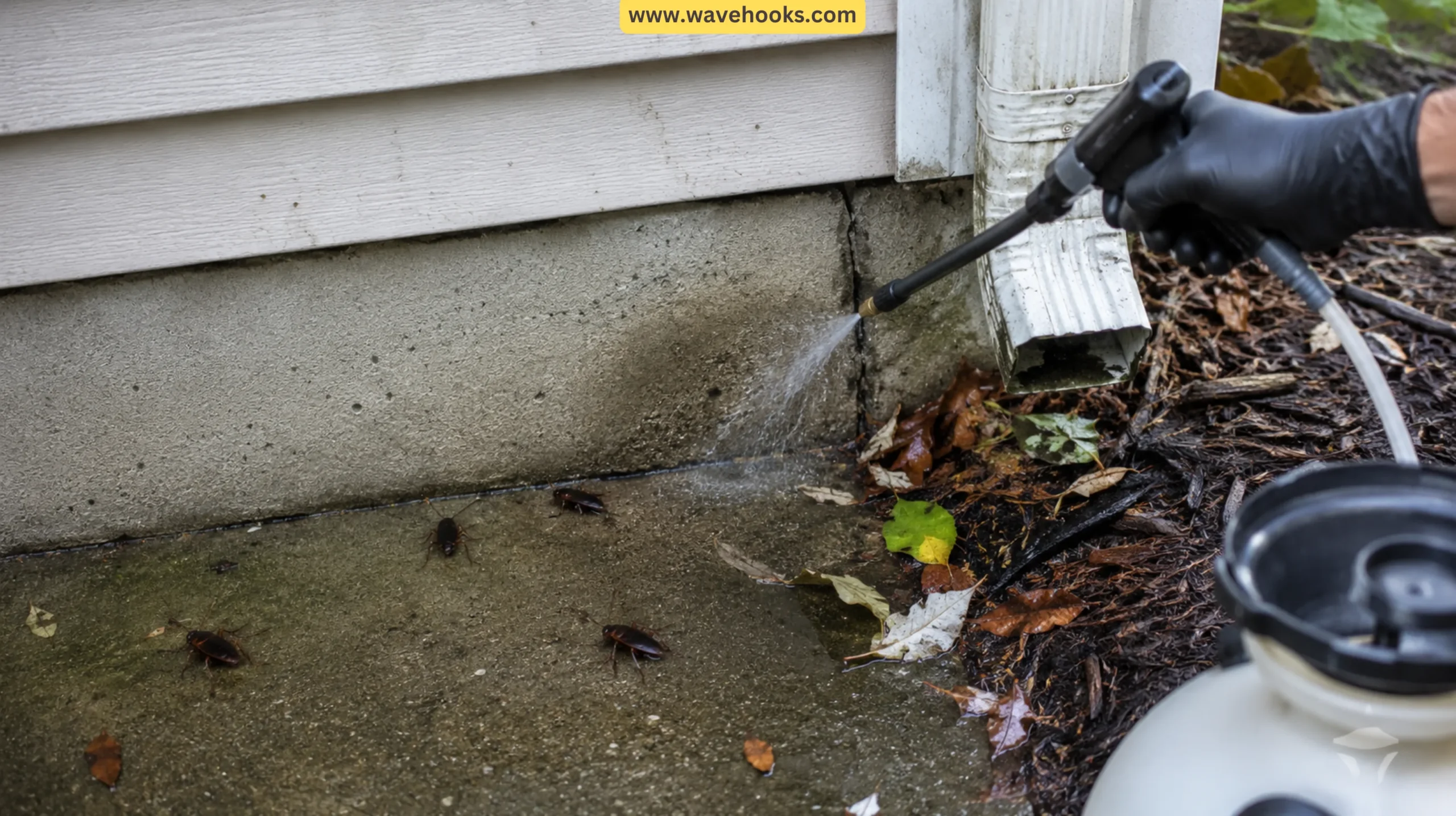
Outdoor populations are what continuously resupply indoor infestations. Addressing the exterior of your home is not optional — it is what makes indoor treatment finally hold.
49. Eliminate Standing Water Around the Property
Standing water is the single most powerful outdoor attractor for water bugs and the insects they feed on. Clogged gutters, plant saucers, birdbaths with old water, trash bin lids that collect water, and wheelbarrows left uncovered all create outdoor breeding and foraging areas.
Learning how to get rid of water bugs starts with addressing drainage issues, emptying containers, and maintaining clean gutters, which removes what pest management professionals consistently identify as the primary reason.
50. Pull Mulch Back From the Foundation
This is a very important part of how to get rid of water bugs is keeping damp mulch away from the foundation, as it generates warmth as it decomposes, and creates the dark, moist microclimate that water bugs find ideal for daytime shelter.
Pulling mulch back at least six to twelve inches from the foundation wall and using gravel or bare ground in that gap instead creates a dry, inhospitable zone that bugs are reluctant to cross. Pest professionals recommend this change frequently as a structural outdoor fix.
51. Fix Outdoor Leaks and Drainage Issues
Outdoor tap leaks, AC condensate lines, outdoor shower drains, and landscape irrigation systems all create constant moisture at ground level around the home. These moisture sources are as attractive to water bugs as anything inside the house.
Fixing outdoor leaks is the least priority for homeowners focused on indoor pest treatment, but it should be. Even a slow drip from a hose connection against a foundation wall can create moisture that supports an outdoor bug population.
Suggested Read: Is Water Dripping From AC Dangerous? Here’s What To Know!
52. Check Exterior Areas Most Commonly Infested
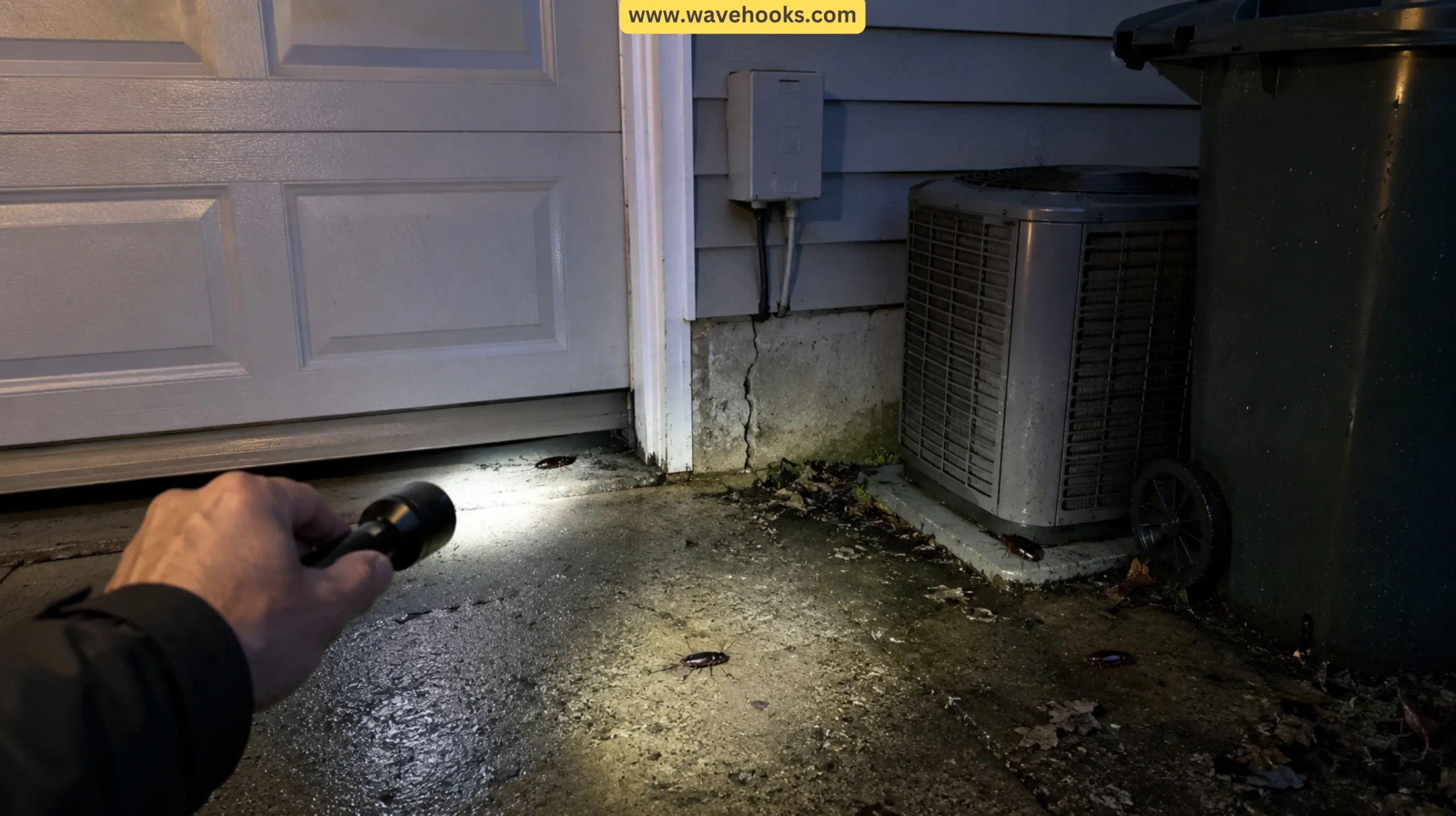
Specific outdoor zones like gaps under garage doors, spaces behind AC units, cracks in foundation walls, around electrical junction boxes, and near composite bins consistently appear in pest control reports as infestation concentration points.
Checking these areas with a flashlight during evening hours when water bugs are most active outdoors gives you a real picture of outdoor population levels. Treating these specific zones with insecticidal spray creates a barrier before bugs reach the home’s entry points.
53. Correct Landscaping Mistakes That Invite Bugs
Beyond mulch, several other common landscaping choices like dense ground cover against the house walls, leaf litter and debris, ivy or climbing plants on exterior walls, and stacking firewood are ideal outdoor bug environments near the home.
These materials stay damp, provide shelter, and create a protected corridor between the outdoor environment and the home’s exterior. Clearing a clean, dry, well-lit perimeter around the home’s walls, even just 12 to 18 inches, makes a meaningful difference in how many bugs approach entry points.
54. Seal Foundation Cracks and Entry Points Permanently
Cracks in the foundation wall, even hairline cracks, provide entry paths that bugs use repeatedly once they discover them. The inside of a crack stays damp from soil contact on the outside and home humidity on the inside, making it both a travel path and a shelter spot.
Inspect the foundation, near window frames, around utility entry points, gas lines, electrical conduits, and HVAC at least annually, and fill cracks with caulk. Use expanding foam or stainless steel mesh to fill openings that caulk cannot seal effectively.
Suggested Read: 10 Shocking Sources Of Burnt Rubber Smell In House!
55. Manage Outdoor Trash Bins and Compost Areas
Outdoor trash bins and open compost bins that are not sealed create a high-concentration pest attraction zone. Move trash bins as far from the home’s entry points, ensure lids close tightly, clean the inside of bins monthly with hot soapy water, and use bins with a locking lid.
Compost bins should be properly managed, turned regularly, and positioned away from the house perimeter. These changes reduce the outdoor pest pressure that sprays and traps alone cannot overcome.
56. Reduce Outdoor Lighting Near Entry Doors
Outdoor lights near entry doors, garage doors, and windows attract insects during evening hours, so switching porch lights and path lights to warm yellow or amber LED bulbs reduces insect attraction. Motion-activated lights instead of all-night lights also reduce the cumulative attraction effect.
For homes that deal with heavy seasonal outdoor bug pressure, combining reduced exterior lighting with sealed entry points and a clean space creates a substantial reduction in how many bugs even approach the home at night.
How to Get Rid of Water Bugs in a Pool
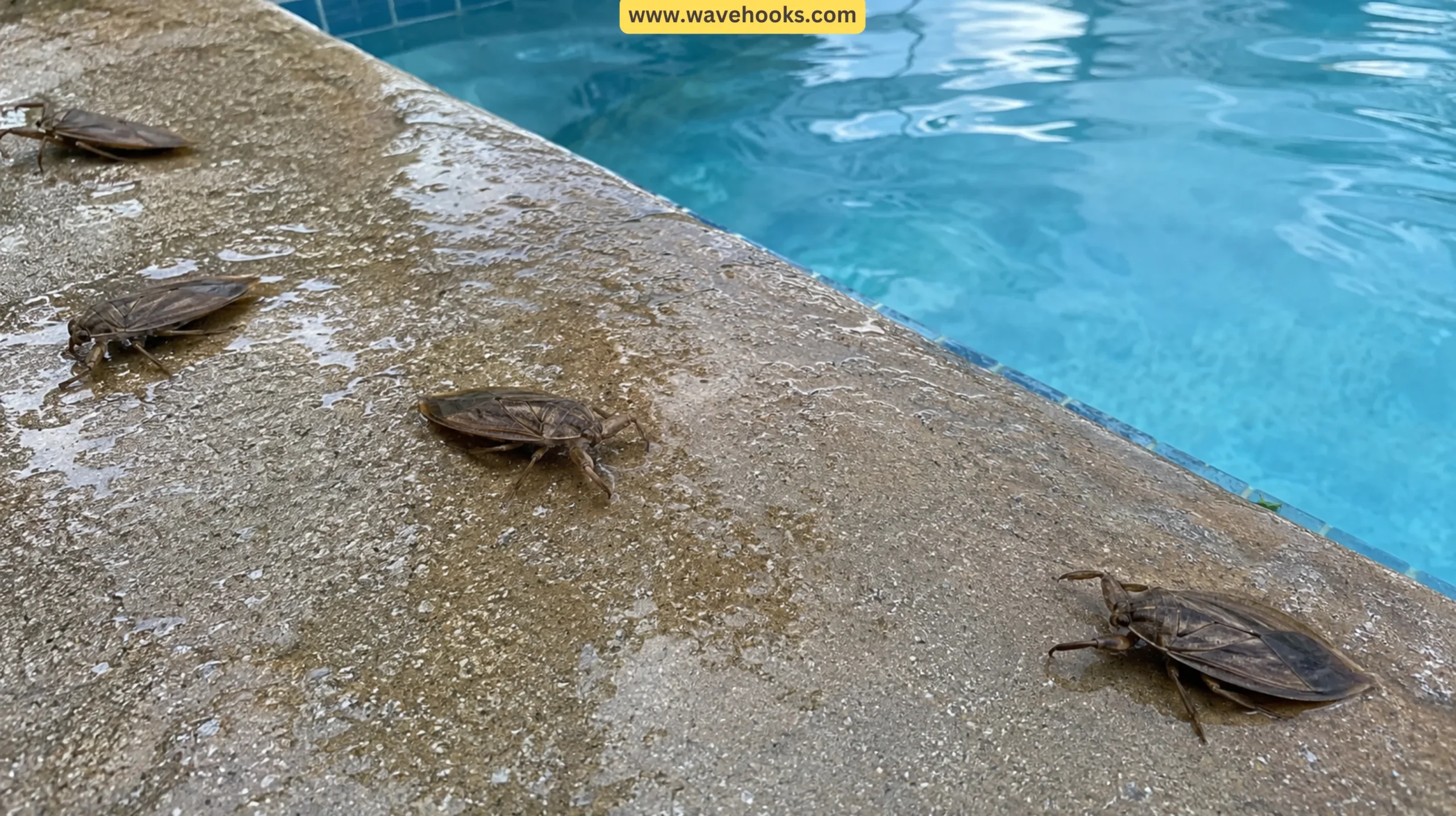
Pool environments attract water bugs at night with a combination of light reflection, moisture, nearby insects, and sometimes algae. Keeping a pool bug-resistant takes consistent maintenance. Here are some ways:
57. Keep Pool Water Chemistry Properly Balanced
Learning how to get rid of bugs in a pool starts by keeping algae growth, which is a primary food source for true aquatic water bugs. Maintain chlorine levels between 1 and 3 ppm, pH between 7.4 and 7.6, and test the water at least twice weekly during swim season.
Pools with consistent, balanced chemistry support less algae and are less attractive to true water bugs. Many pool owners who struggled with persistent bug problems found that water chemistry is the single biggest change that reduced activity near and in the water.
58. Skim the Pool Surface Daily
One simple step in how to get rid of water bugs near pools is by removing fallen leaves, dead insects, plant debris, and dust. This material sits on the surface, breaks down slowly, and creates a food-rich zone that attracts both true water bugs and the smaller insects they feed on.
Daily skimming removes this layer before it can accumulate or sink. It takes less than five minutes and is one of the most effective maintenance habits for reducing bug activity. Homes with automatic skimmers should still check and empty skimmer baskets daily.
59. Brush Pool Walls and Floor Weekly
Algae usually begins as a thin, invisible layer on pool walls and the floor before it becomes visible as green or black patches. Brushing the walls, floor, and steps weekly prevents this early-stage algae because it not only attracts water bugs, but it also indicates a chemical imbalance.
Use a pool brush matched to your surface type, like nylon for vinyl, steel for plaster, and brush from the walls down toward the main drain. Combined with proper chemistry and filtration, regular brushing is the most reliable algae prevention strategy available.
Also Read Does Sunlight Kill Mold: How Well Is Sunlight Against Mold?
60. Run the Pool Pump and Filter Long Enough
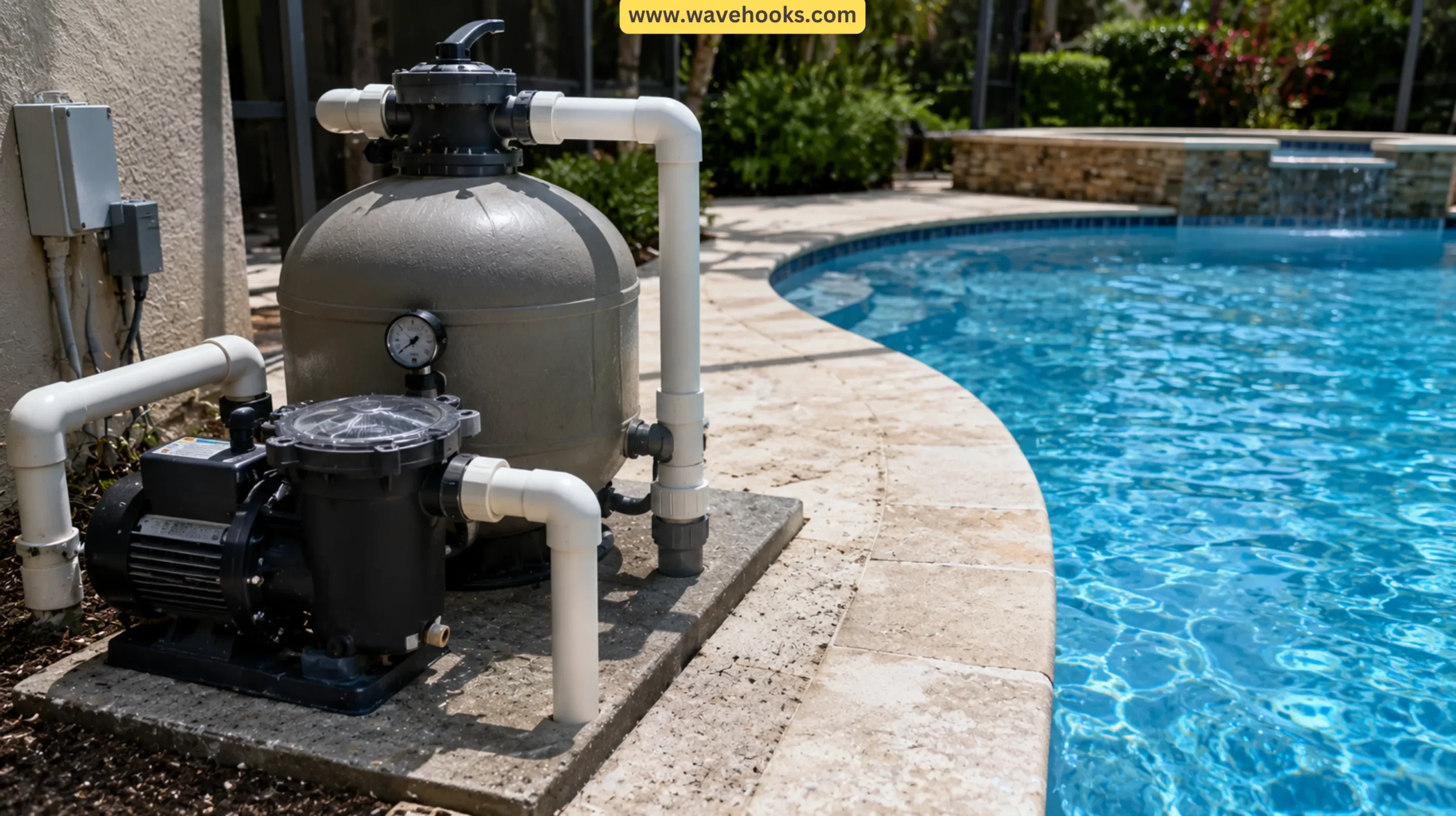
Stagnant pool water, especially in shallow areas, corners, and around steps, is more attractive to bugs and algae than well-circulated water. Pool pumps should run long enough each day to turn the water over completely at least once.
For most residential pools, that means eight to twelve hours of daily circulation during swim season. Many pool owners reduce pump run time to save electricity and then notice increasing algae and bug problems. If bugs are appearing in the pool, check the pool pump.
61. Identify Pool Areas Most Commonly Affected
To understand how to get rid of water bugs around the pool, you need to check the corner between the wall and the floor where debris collects, the area under pool lights, the skimmer, and the patio area surrounding the pool where water splashes and stays damp.
Inspecting each of these areas during your evening pool check when bugs are most active tells you where to focus brushing, skimming, and treatment efforts. Targeted maintenance is faster and more effective than applying the same level of attention uniformly across the entire pool.
62. Turn Off Pool Lights at Night When Not in Use
Pool lights reflect off the water’s surface and are visible from a significant distance, attracting flying and crawling insects to the pool area throughout the night. Water bugs follow the insect activity. Turning off pool lights after the pool is not in use reduces the attraction.
If you prefer to keep lights on for security, switching to underwater white lights rather than bright surface lights reduces surface-level insect attraction. Some pool owners use solar-powered path lights to maintain visibility without directing light toward the water.
63. Trim and Maintain Plants Around the Pool Area
Dense plantings near the pool create the moisture, shade, and hiding environment that attracts water bugs during the day. Overhanging branches drop leaves and debris into the water continuously. Ground-level plantings trap moisture and provide daytime shelter for bugs.
Keeping pool-side plantings trimmed back, maintaining a clean paving edge, and removing plants that drop heavy debris into the water all reduce the external bug pressure on the pool environment. Replace dense border plantings with low-maintenance, less water-retaining options.
Suggested Read: 50+ Simple Front Yard Landscaping Ideas That Look Expensive!
64. Remove Standing Water From Pool Deck and Equipment
A complete plan for how to get rid of water bugs should include collecting water on the pool deck after rain, around the filter unit, in hose storage areas, and inside uncovered pool toy containers that attract water bugs.
Store pool equipment in covered, dry locations. Keep the filter and pump housing area clean and dry. Many pool owners focus entirely on the pool water while ignoring the accumulated moisture around the pool equipment area, which is usually the highest concentration of bug activity.
How Hard Is It to Get Rid of Water Bugs?
Getting rid of water bugs isn’t always straightforward. The answer depends entirely on the size of the problem and how quickly it is addressed. Small early-stage infestations are manageable. Long-established hidden infestations are significantly harder.
If you’re only spotting one or two bugs near the sink or drain, you can usually clear it up within a couple of weeks by staying on top of cleaning, sealing gaps, and using bait.
But if bugs are showing up in multiple rooms or nesting deep in walls and drains, expect four to eight weeks of consistent effort. And once it’s resolved, keep up with leak repairs and sealing, because without that, they’ll be back.
DIY treatments usually fall short when bugs are hiding in places you simply can’t reach. If things keep getting worse, more bugs, new egg cases, and traps filling faster, it’s time to call a professional.
Also Read: How To Get Rid Of Boxelder Bugs: 24 Hacks For Bug-Free Home!
Best Water Bug Traps That Actually Work
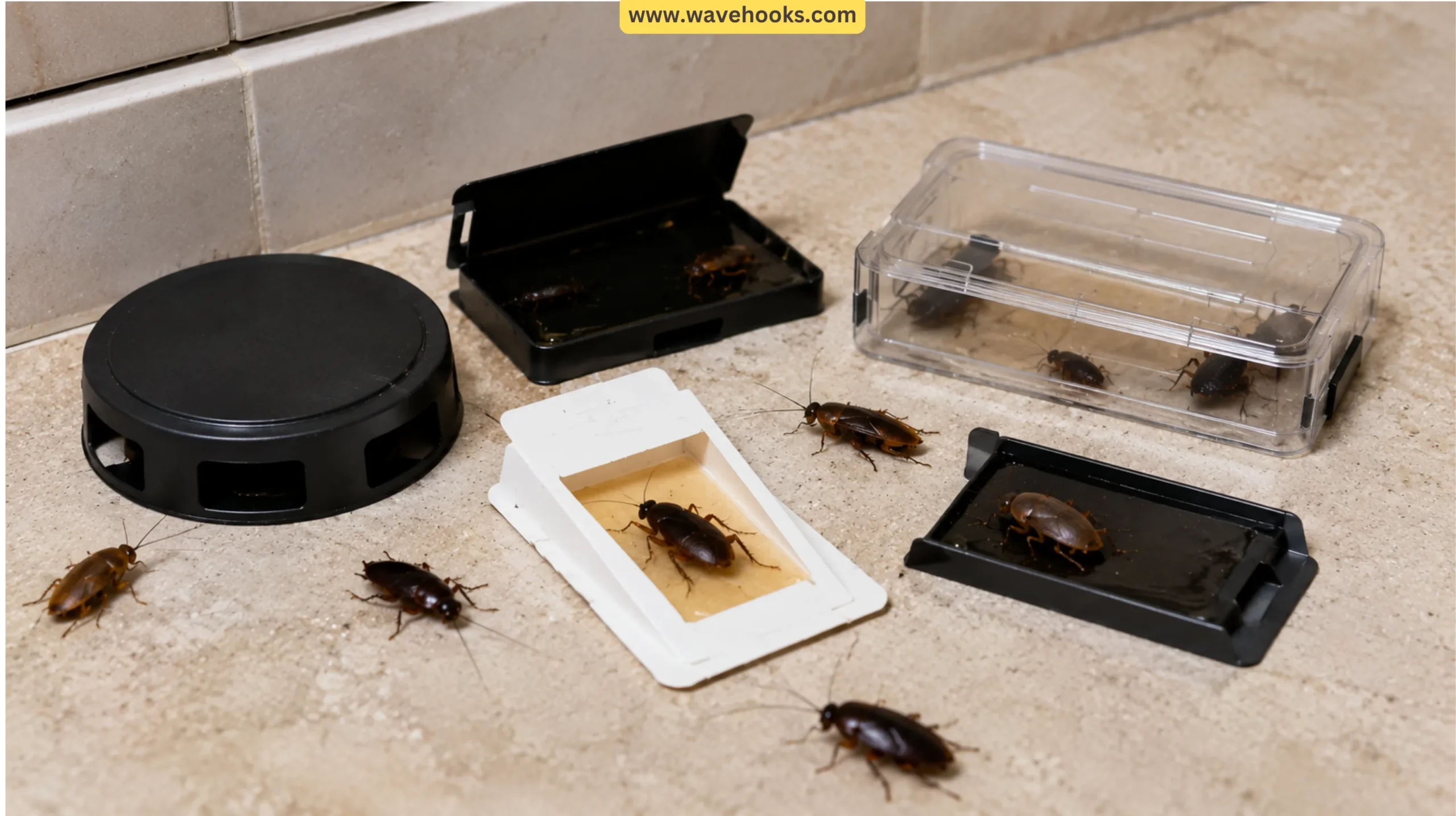
Traps are both a population control method and a diagnostic tool. The right placement matters more than the type of trap you use. Here are some traps that actually work:
1. Sticky Glue Traps — Best for Monitoring: These are the most widely available and easiest to use. They capture bugs that walk over them and stay active for weeks without maintenance. Place them in multiple rooms and check them after a few days to track bug activity, population size, and treatment effectiveness.
2. Bait Stations — Best for Reducing Hidden Populations: Slow-acting toxicants let bugs carry poison back to hidden colonies. Place under sinks, behind toilets, and near appliances. Use multiple stations across all active zones.
3. Gel Bait Traps Applied in Micro-Dots: Apply tiny gel dots inside cracks, hinges, and hidden gaps unreachable. Reapply every few days. Fresh gel applications every few days during active infestation provide consistent bait access along bug travel routes.
4. Electronic Traps for Confined Indoor Spaces: Chemical-free electric traps kill bugs cleanly inside the enclosed units. Ideal under sinks, laundry rooms, and basements. More expensive than glue traps, but safe around children and pets.
5. DIY Jar Trap Using Sugar Water or Beer: Coat a jar’s inner rim with petroleum jelly, bait with sugar water or beer. Bugs enter but can’t escape. Non-toxic, free, and useful near pet or children’s areas.
6. Outdoor Perimeter Traps Around Foundation Edges: Place granular baits and stake traps around foundations, trash bins, and entry points. Blocking outdoor bugs before they enter produces faster, longer-lasting results than indoor-only treatment strategies.
7. Correct Placement Strategy — The Edge Rule: Never place traps in open floor space. Bugs travel along walls, corners, and appliance edges. Repositioning traps correctly without changing trap type dramatically improves catch rates immediately.
8. Knowing When Traps Are Working and When to Switch: High catches in week one are normal. Persistent high rates after two weeks signal an unresolved source. Rotate trap types monthly and never spray insecticide near bait traps.
Suggested Read 15 Shocking Reasons Why Do Roaches Keep Coming Back?
How to Get Rid of Water Bugs Overnight
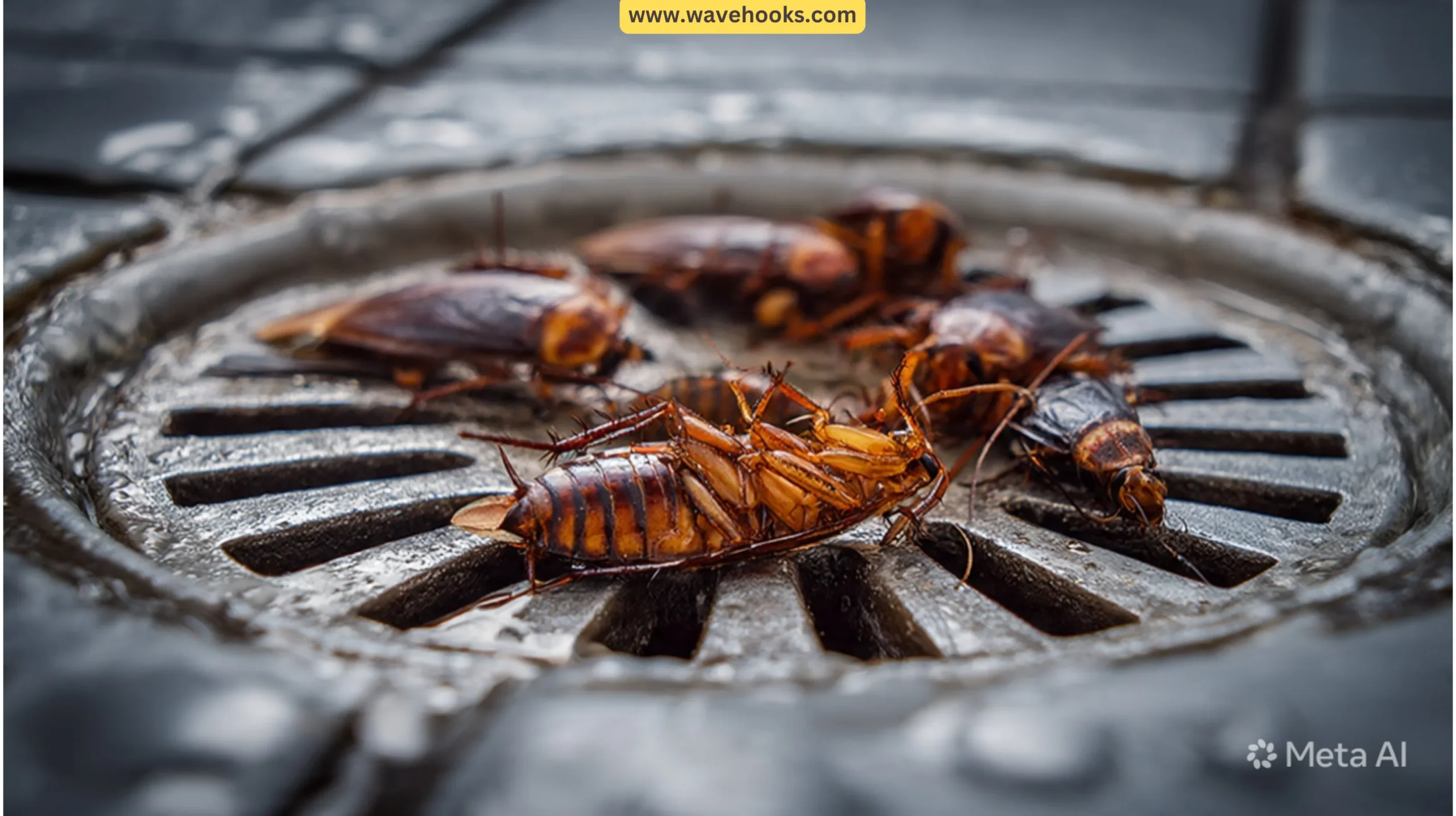
You cannot eliminate a full infestation in a single night, but you can take strategic steps that reduce activity by morning and protect sleeping areas effectively. Here are some tips:
1. Do a Complete Pre-Bedtime Kitchen Clean: Wash dishes, dry the sink, wipe counters, sweep floors, empty trash, and store pet food. Removing all food and water sources overnight discourages water bug activity.
2. Place Sticky Traps Along All Active Walls Before Bed: Set traps near baseboards in kitchens, bathrooms, and active areas before bed. Morning checks reveal bug movement patterns and help identify the highest-activity zones.
3. Spray or Treat Cracks and Entry Points at Night: Apply sprays, boric acid, or diatomaceous earth to cracks and gaps at night so bugs encounter treatments during their most active movement hours.
4. Dry Every Wet Surface in the Bathroom Before Bed: Dry floors, hang towels, run the exhaust fan, and cover drains. A dry bathroom gives water bugs little reason to stay active overnight.
5. Put Pet Food and Water Bowls Away at Night: Wash bowls, seal dry food, and dry the mat before bed. Removing pet food overnight eliminates a major water bug attractant that most homeowners overlook.
6. Block Door Gaps as an Emergency Overnight Step: Use a draft stopper or rolled towel to block under-door gaps temporarily. It’s an effective emergency barrier, especially during heavy rain or sudden bug surges.
7. Turn Off Unnecessary Lights That Attract Bugs at Night: Switch off indoor and exterior lights before bed. Bugs are drawn to lighted areas, so reducing light makes your home less attractive to outside insects.
8. Apply Gel Bait in Active Areas Last Thing at Night: Dot gel bait inside cabinet hinges, pipe gaps, and under-sink corners before bed. Bugs feed on it overnight, activating the transfer-kill mechanism while you sleep.
Suggested Read: 17 Best Roach Prevention Tips To Keep Your Home Bug-Free!
How to Prevent Water Bugs From Coming Back
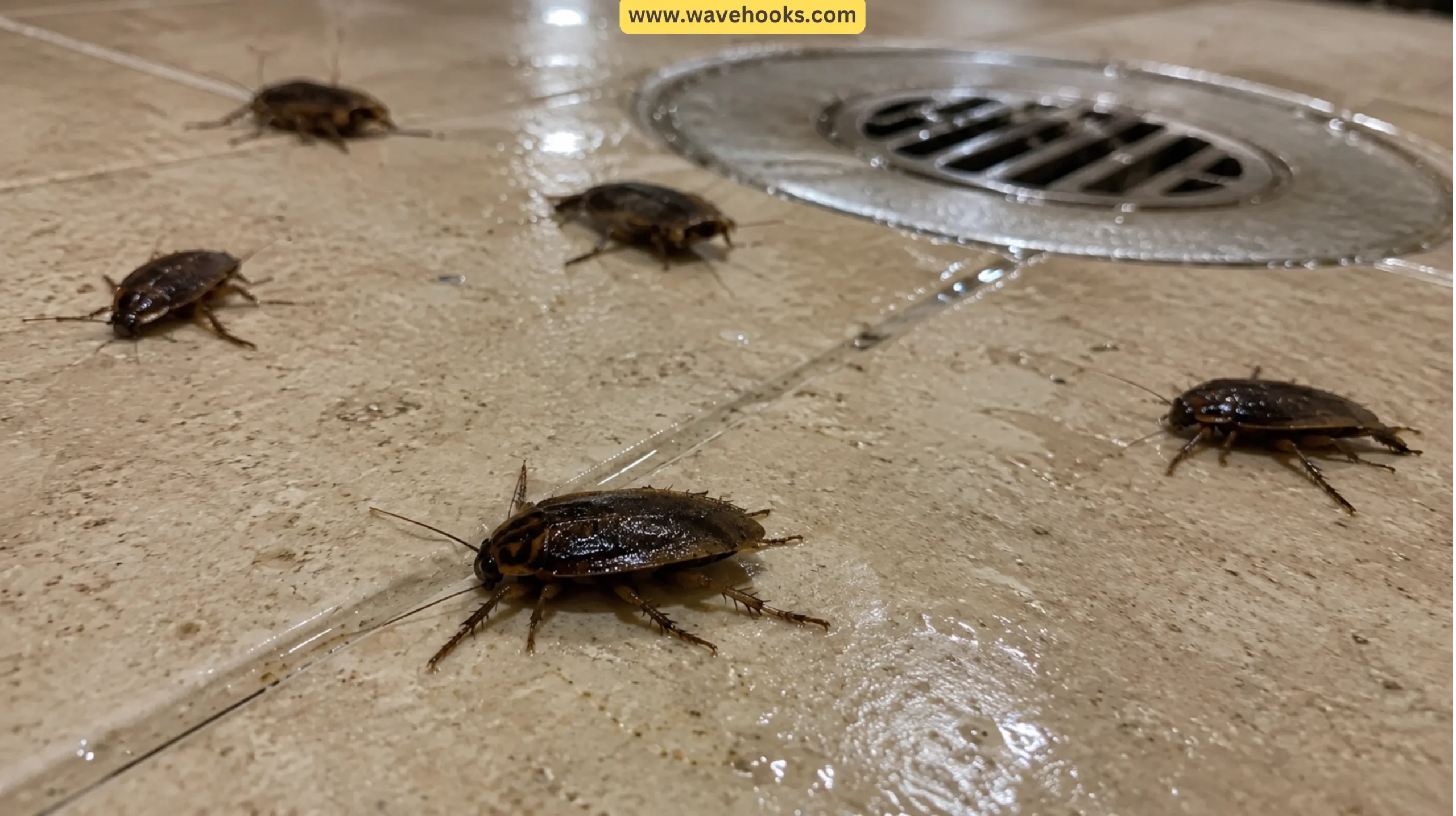
Prevention is not optional maintenance. It is the only strategy that actually works in the long term. Treatment addresses the current population. Prevention changes the reason they come at all. Here are some ways:
1. Build a Daily Moisture Control Routine: Dry sinks, wipe bathroom floors, hang towels, and check drains nightly. Eliminating standing moisture removes the primary condition that sustains water bug populations indoors.
2. Fix Every Leak Immediately -No Exceptions: Slow drips under sinks or sweating pipes create moisture bugs that depend on. Fix all leaks within 24 hours to prevent recurring infestations consistently.
3. Seal Common Entry Points Permanently: Caulk baseboards, pipe gaps, and window frames. Add door sweeps and mesh vent screens. Fully sealed homes require significantly less ongoing treatment than homes with open entry paths.
4. Follow a Weekly Cleaning Schedule for High-Risk Areas: Weekly clean under appliances, scrub drains, wipe under-sink cabinets, and inspect traps. This prevents the buildup of food residue, grease, and moisture that sustains bug populations.
5. Store Food Properly: Move all pantry items like flour, rice, pet food, and cereals into sealed hard containers. Eliminating accessible food sources produces a lasting reduction in kitchen bug activity.
6. Maintain Drains on a Scheduled Basis: Apply enzyme cleaner monthly, brush drain openings biweekly, and flush with hot water weekly. Consistently treated drains eliminate the biofilm buildup that attracts and sustains bugs.
7. Conduct a Seasonal Home Inspection: Inspect entry points, traps, pipe gaps, and moisture sources every quarter. Problems caught during routine inspections are easier and cheaper to resolve than established infestations.
8. Apply Outdoor Perimeter Treatment Each Spring and Fall: Apply bifenthrin or lambda-cyhalothrin around foundations, door frames, and entry points twice yearly. This contact-kill barrier reduces outdoor populations before bugs ever reach your home.
Also Read 8 Efficient Kitchen Organization Tips for Easy Meal Prep!
Conclusion
Water bugs do not appear randomly. They follow moisture, food, warmth, and open entry points, and they stay as long as those conditions remain.
The most important thing you can take from this guide on how to get rid of water bugs is this: treatment addresses the symptom, but environmental control addresses the cause.
Spraying a bug helps in the moment. Fixing the leaking pipe, sealing the entry crack, drying the sink every night, and cleaning the drain monthly are what prevent the next generation from moving in.
Work through the sections that apply to your home and build the prevention habits that make your home less hospitable in the long term.
Also Check: 12 Expert Hacks For How To Get Rid Of Cluster Flies Easily!
FAQs About How To Get Rid Of Water Bugs
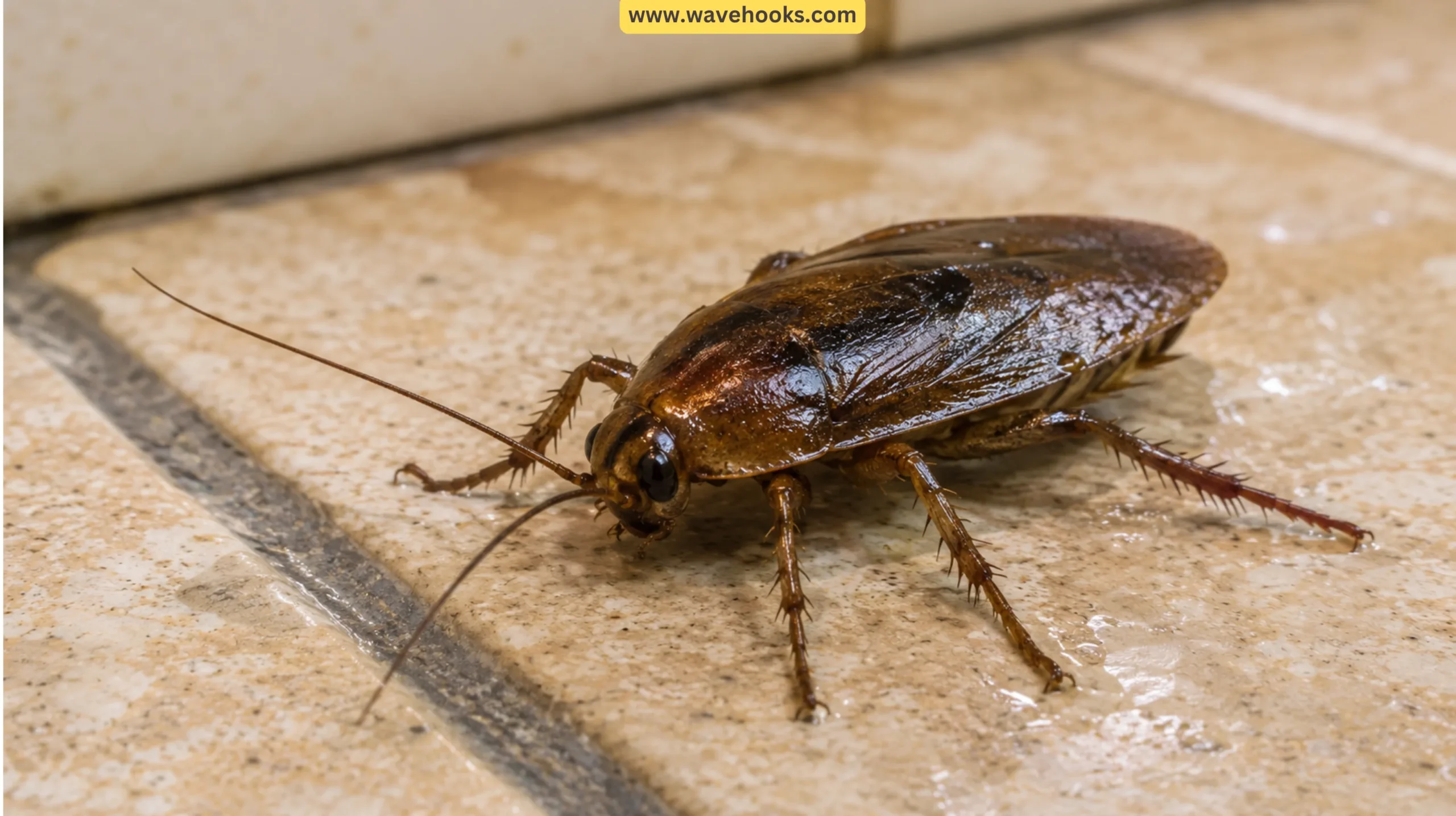
1. Can water bugs fly?
Some true aquatic water bugs, particularly giant water bugs, have functional wings and can fly for short distances, typically between water sources. Large cockroaches, which are the most common “water bugs” found indoors, may also fly in warm conditions. If you are seeing flying bugs, it is important to check whether they are true aquatic water bugs or American cockroaches, since treatment approaches differ.
2. Do water bugs bite humans?
True aquatic water bugs, like the giant water bug, can bite when handled or disturbed, and their bite is described as painful. The roach-like water bugs in homes generally avoid human contact and rarely bite. However, they are not safe to ignore because they carry bacteria from drains and garbage across kitchen surfaces, spread allergens that trigger asthma, and contaminate food prep areas.
3. Why do I only see water bugs at night?
Water bugs are strongly nocturnal. During the day, they stay hidden in dark, damp spaces and emerge only when the environment is quiet and light levels are low. This behavior evolved as a survival strategy since they are weak when exposed. It also explains why people underestimate how many bugs are present, as seeing one or two at night typically means dozens more are hiding nearby during daylight hours. Night inspections with a flashlight reveal more activity than daytime checks do.
4. Can water bugs climb beds or walls?
Cockroach-like water bugs can climb on wall surfaces, including painted walls, cabinets, and furniture. Beds are accessible to them if there is a travel path from the floor, such as bed legs touching the wall or bedding that reaches the ground. Finding water bugs in bedroom areas usually indicates a severe infestation that has spread from its primary zones.
5. Do water bugs mean your house is dirty?
No. Even clean homes get water bugs when conditions are right, like a leaky pipe, a shared plumbing system, an open entry point, or outdoor moisture near the foundation. However, dirty conditions do make infestations worse and harder to resolve. If you keep a clean home and still have water bugs, focus your investigation on structural issues: plumbing leaks, entry gaps, outdoor moisture, and shared building systems rather than assuming inadequate cleaning is the cause.
6. What smells repel water bugs?
Peppermint oil, eucalyptus oil, tea tree oil, citrus peel, cedar oil, and bay leaf compounds are the most consistently reported natural repellents. They are most effective near entry points, along baseboards, and in cabinet corners. None of them will eliminate an active infestation alone. They are deterrents, not killers. For best results, use repellent scents as part of a layered strategy and targeted treatment of active zones.
Also Read: Can You Bring Roaches From One House To Another? 10 Urgent Fixes!
Suggested Read: 19 Effective Homemade Roach Killer Tips That Work Instantly!