

Have you spent weeks planting in the spring? But something in your garden is struggling right now, and you already know what it is.
Now it is June, and half of it looks tired, like something is eating the leaves, and the weeds are winning, and you cannot figure out why. Here is the truth.
Spring gets all the attention, but June is the month that actually decides how your garden performs all summer. Miss the right tasks this month, and you’ll spend your July fixing problems that started right here.
The good news? None of it is complicated. This June garden checklist walks you through every task that matters this month.
What to plant, when to water, what to prune, when to mulch, and what pests to catch before they take over. One focused weekend in June sets your garden up for the entire summer. Let’s get started!
Why June Is The Most Important Month For Your Garden
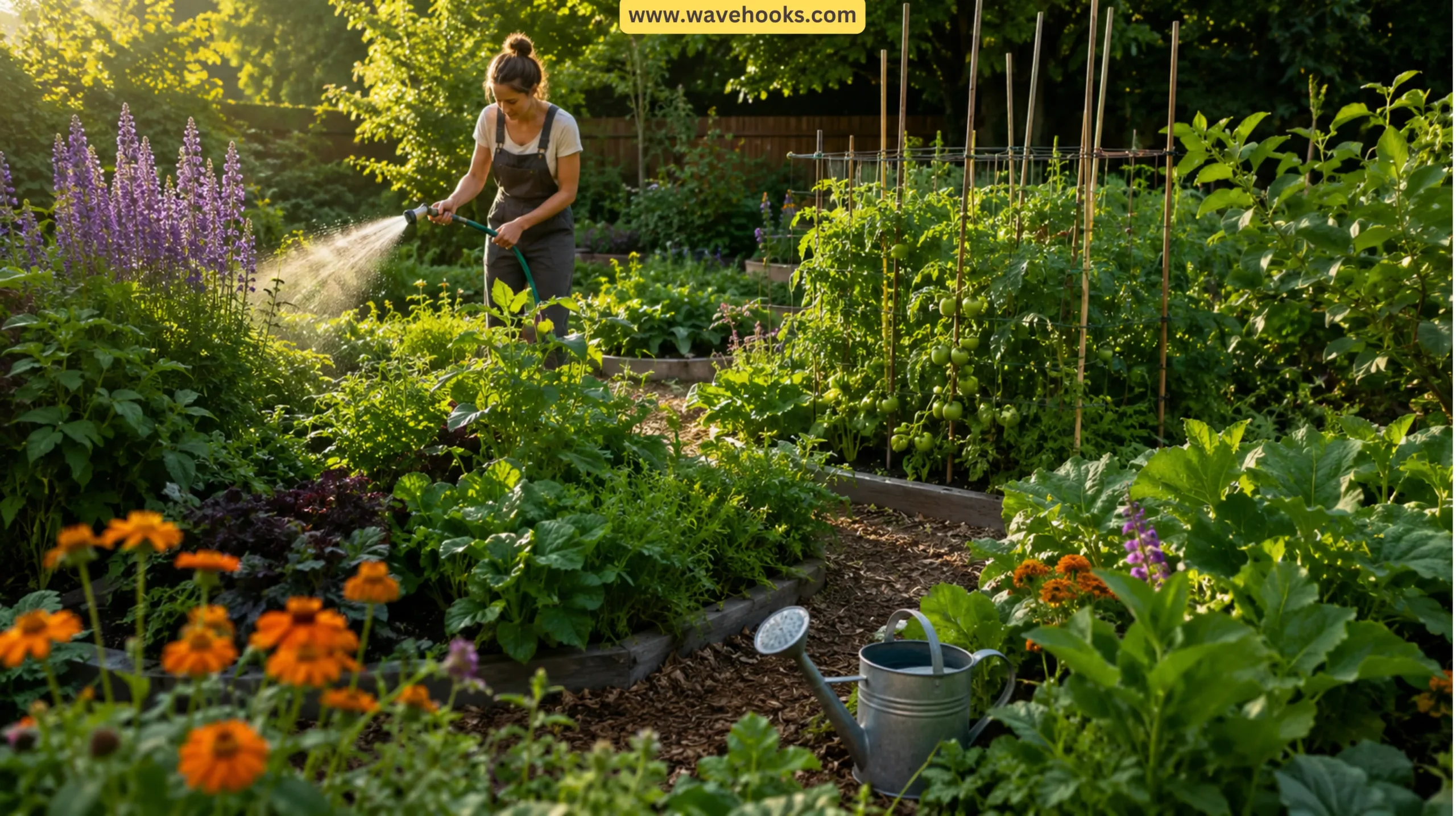
Most gardeners focus heavily on spring planting and then wonder why things start declining by midsummer. June is the transition month. The soil is warm, growth is accelerating, and the demands on your garden change almost weekly.
Plants that were thriving in May start needing more water, more support, and more attention as temperatures climb. Pests that were manageable in spring become serious problems if left unchecked through June.
This is also the month when small, neglected tasks can lead to big problems. A missed watering schedule leads to stressed plants. Skipped pruning leads to overcrowded growth that invites disease.
Bare soil left without mulch loses moisture fast and lets weeds take over completely. The families with beautiful, productive summer gardens are not working harder than everyone else.
They are simply doing the right things in June before the season gets away from them. This June garden checklist covers every task that matters this month, so you are always one step ahead of your garden’s needs.
Also Read June Home Reset Checklist: 50 Must-Do Tasks Before Summer!
What To Plant In June: Your Complete Planting Guide
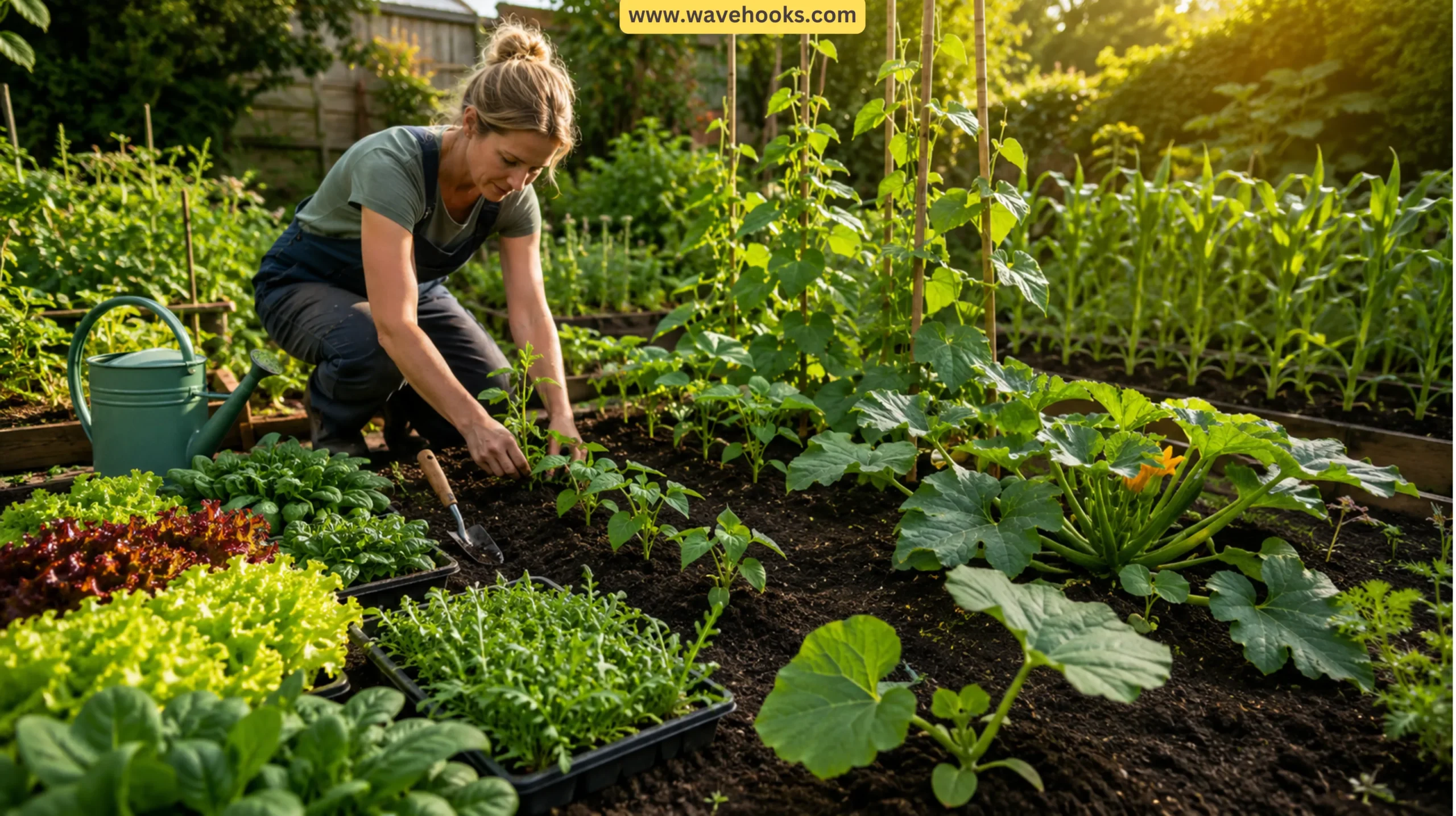
June is one of the best planting months of the year if you know what works right now. The soil is warm, daylight hours are long, and most frost risk is gone.
That combination creates ideal conditions for a wide range of vegetables, herbs, and flowers that would have struggled in the cooler soil of early spring.
1. Vegetables To Plant In June
Here are some vegetables you can plant in June:
Beans: Are one of the best June choices. They germinate fast in warm soil, grow quickly, and produce heavily through summer. Direct sow them straight into the ground rather than starting indoors, and they establish faster than transplants.
Cucumbers: love warm soil and long sunny days. Plant them now, and they will be producing by midsummer. Give them something to climb, and they take up far less space than sprawling on the ground.
Courgettes and squash: planted in June establish quickly and produce generously. One or two plants are usually enough for most families because the harvest can be overwhelming when conditions are right.
Sweetcorn: needs warm soil to germinate reliably, and June provides exactly that. Plant in blocks rather than single rows for better pollination and a more reliable harvest.
Salad leaves, spinach, and rocket: can still be sown now for a late summer crop. They grow fast and can be harvested within weeks of planting, which makes them ideal for filling gaps in the garden.
Pumpkins: planted in June will be ready for autumn. They need space and consistent moisture, but June planting gives them exactly the growing window they need.
Suggested Read: 10 Quick Hacks On How To Make A Vegetable Garden On A Balcony
2. Herbs To Plant In June
Here are some herbs you can plant in June:
Basil: is a true summer herb, and June is its ideal planting month. It hates cold soil, which is why June plantings always outperform April ones. Plant it near tomatoes, and it grows vigorously through the warmest months.
Coriander, dill, and parsley: all establish well from seed in June. Sow directly where you want them to grow because they do not transplant well.
Mint: planted now establishes quickly. Keep it in a container, though. Left in open ground, it spreads aggressively and takes over neighbouring plants within a season.
3. Flowers To Plant In June
Here are some flowers to plant in June:
Sunflowers planted in June still have enough season ahead to reach full height and bloom before summer ends. They are fast-growing, low-maintenance, and genuinely improve the mood of any garden space.
Nasturtiums are one of the most useful flowers you can plant in June. They grow fast, require almost nothing, attract beneficial insects, deter aphids from neighbouring vegetables, and the flowers are edible. They earn their space in any garden.
Marigolds: planted now will flower through summer and into autumn. They repel a wide range of garden pests and work particularly well planted around the edges of vegetable beds.
Also read: 25 Best Fake Plants For Home Decor You’ll Regret Not Buying!
June Watering Tips: How To Water Smarter, Not More
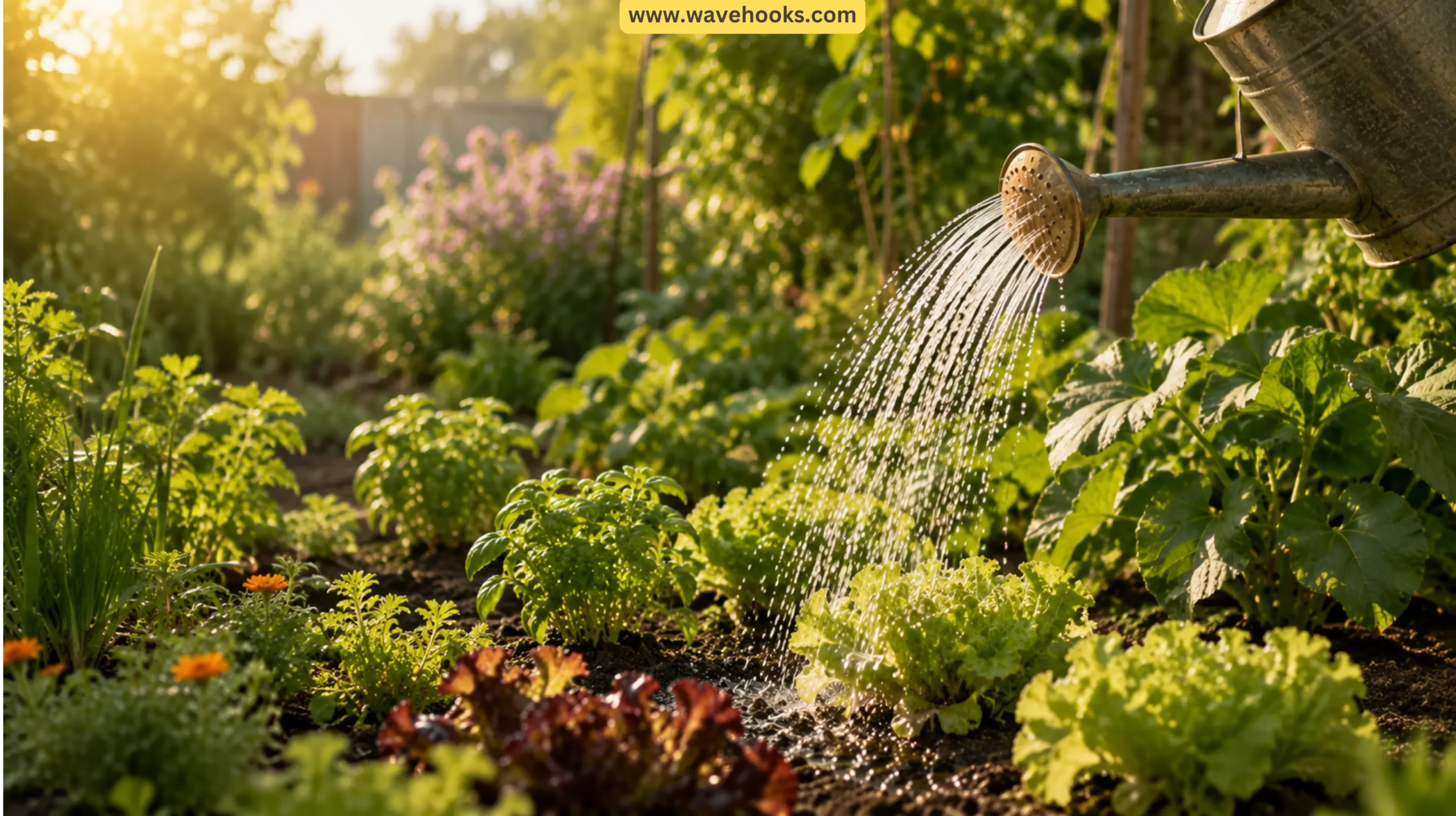
Watering is the task most gardeners get wrong in summer, and it is usually not because they are watering too little.
It is because they are watering at the wrong time, in the wrong way, with no consistency. And the result is plants that look watered but are actually stressed underneath the surface.
Getting watering right in June sets the tone for how well your garden handles the heat that follows. Here are some tips you can follow:
1. Water in the early morning: This is the single most important watering habit you can build. Morning watering gives plants moisture before the heat of the day and allows any water on foliage to dry before evening. Evening watering leaves wet overnight, which is one of the most reliable ways to encourage fungal disease.
2. Water deeply and less frequently: Light daily watering encourages roots to stay shallow near the surface where they are vulnerable to heat and drought. Deep watering two or three times a week drives roots down into cooler soil where they can access moisture even during hot dry spells.
3. Water at the base, not the leaves: Direct the water at the soil around the base of the plant rather than overhead. Wet foliage in summer heat encourages disease and wastes water through evaporation before it reaches the roots.
4. Check soil moisture before watering: Push your finger two inches into the soil near the plant base. If it is still damp at that depth, the plant does not need water. Overwatering is as damaging as underwatering and far more common than most gardeners realise.
5. Water containers daily in June: Pots and containers dry out dramatically faster than garden beds, especially in warm weather and direct sunlight. Check them every morning and water thoroughly until it drains freely from the bottom.
6. Group plants with similar water needs together: Drought-tolerant plants placed next to thirsty ones create an impossible watering situation. Grouping by water requirement makes efficient watering significantly easier and prevents both over and underwatering in the same bed.
June Pruning Checklist: What To Cut And What To Leave Alone
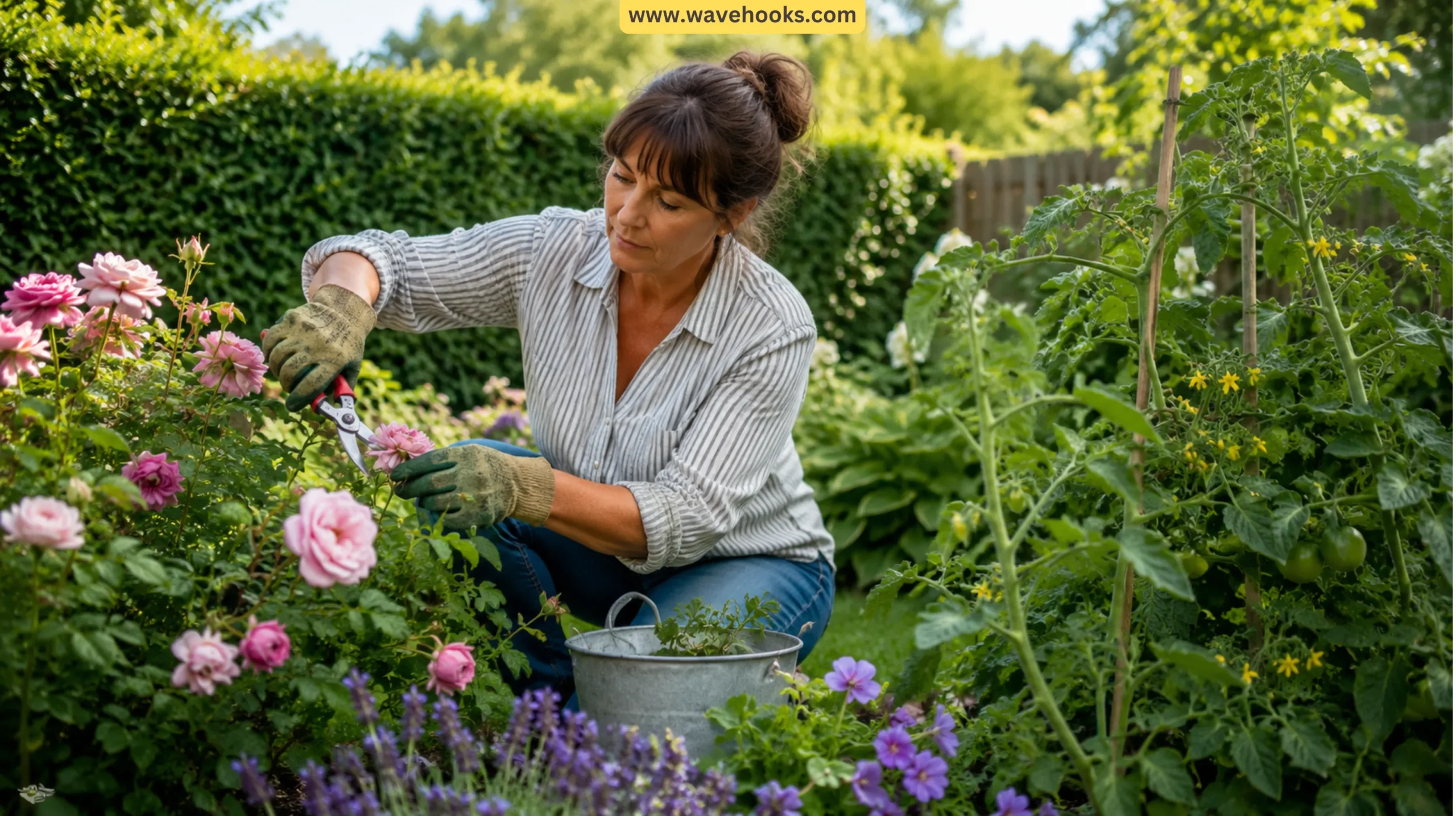
Pruning in June is not about making the garden look tidy. It is about directing the plant’s energy where you actually want it to go.
If it is done correctly, June pruning produces stronger plants, better harvests, more flowers, and healthier growth through the rest of summer.
If it is done incorrectly or skipped entirely, it leads to overcrowding, poor air circulation, disease, and plants that exhaust themselves producing things you do not want.
1. Deadhead flowering plants regularly: Removing spent flowers from roses, geraniums, dahlias, and bedding plants stops the plant from putting energy into seed production and redirects it into producing more flowers. In June, this means checking flowering plants every few days and removing faded blooms before they set seed.
2. Pinch out tomato side shoots: The small shoots that grow in the junction between the main stem and a leaf branch are called side shoots or suckers. Left to grow, they produce leafy growth at the expense of fruit. Pinch them out when they are small, and the plant puts its energy into the fruit you actually want.
3. Cut back spring flowering shrubs: Shrubs that flowered in spring, such as forsythia and flowering currant, can be pruned now once flowering has fully finished. Pruning immediately after flowering gives them the maximum time to produce new growth that will carry next year’s flowers.
4. Trim hedges in June: Most hedges respond well to a trim in June. It encourages dense bushy growth rather than tall leggy stems and keeps the hedge looking structured through summer.
5. Remove any dead, damaged, or crossing branches: from trees and shrubs as you spot them. Dead wood is an entry point for disease, and crossing branches rub against each other, creating wounds that invite fungal infection.
6. Cut back overly vigorous plants: that are starting to crowd their neighbours. Overcrowding reduces air circulation, which is one of the main causes of fungal disease in summer gardens.
Suggested Read: 26 Incredible Plants You Can Grow In Water | Don’t Miss This
Mulch Garden In Summer: Why June Is The Best Time To Do It
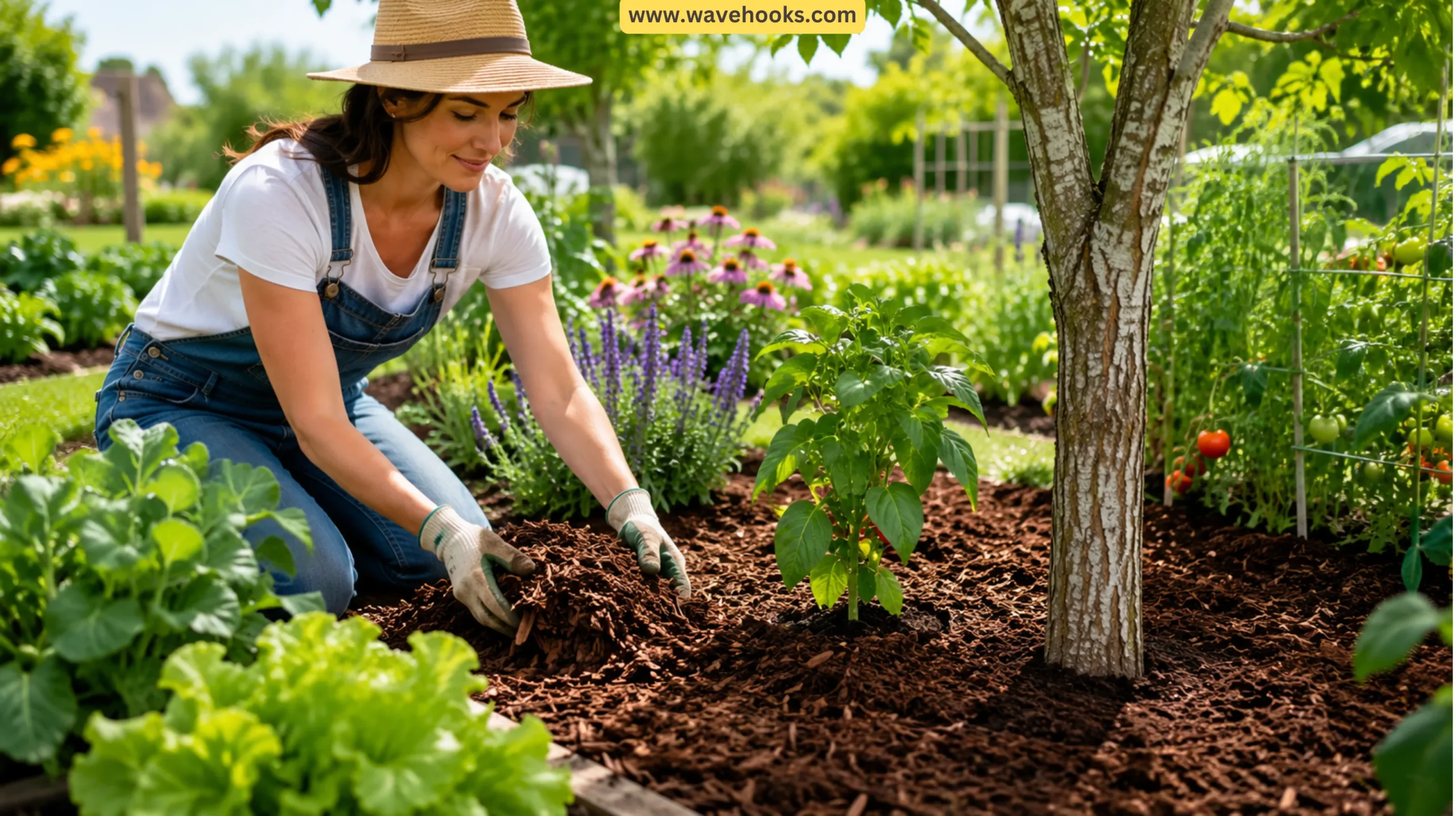
If there is one task on this June garden checklist that delivers the most return for the least effort, it is mulching, and most gardeners either skip it entirely or do it too late.
Mulching in June before the real summer heat arrives locks in the soil moisture that is already there, regulates soil temperature, suppresses weed growth, and improves soil structure as it breaks down over time.
Every one of those benefits directly reduces the amount of work you need to do for the rest of summer.
1. Apply mulch two to three inches deep: across all garden beds. Less than two inches does not suppress weeds effectively. More than four inches can prevent water from reaching the soil and can cause stem rot where it presses against plant bases.
2. Keep mulch away from plant stems and tree trunks: Mulch piled against stems traps moisture against the plant tissue and causes rot. Leave a clear gap of at least two inches around every stem and trunk.
3. Choose the right mulch for the job: Bark chippings work well for ornamental beds and around trees and shrubs. Garden compost is better for vegetable beds because it feeds the soil as it breaks down. Straw works well around strawberries and low-growing vegetables. Gravel suits drought-tolerant plants and Mediterranean herb gardens.
4. Weed the bed thoroughly before mulching: Mulching over existing weeds does not kill them. It just makes them harder to find. A clean bed before mulching means weeds suppressed from the start rather than growing under the mulch and pushing through later.
5. Water the soil before laying mulch: if it has been dry. Mulching dry soil locks the dryness in rather than the moisture. A good water first, then mulch on top seals that moisture in effectively.
Also Read Do You Need Nutrients After Repotting An Indoor Plant? 10 Facts!
How To Check Garden Pests: Catch Problems Before They Take Over
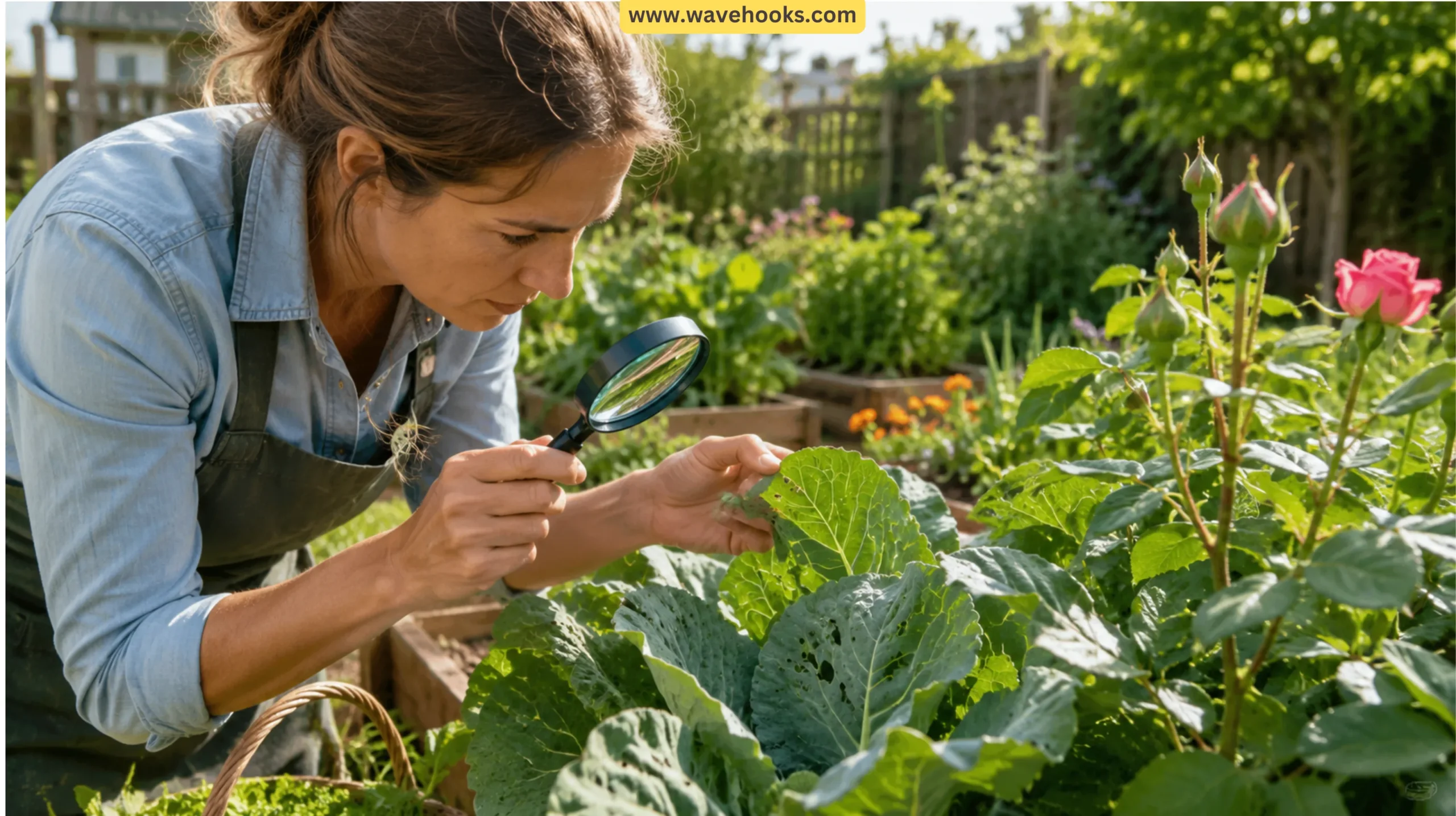
June is when garden pest populations start building seriously, and the difference between catching them early and missing them for a few weeks is significant.
Most pest problems in summer gardens start small and visible. A cluster of aphids on a rose bud. A few holes in a cabbage leaf. Some distorted growth on a new shoot. At that stage they are easy to manage.
Left unchecked through June, they become infestations that require serious intervention. This section of the June garden checklist is about looking properly rather than just glancing.
1. Check the undersides of leaves: Aphids, spider mites, and whitefly all shelter and feed on the undersides of leaves where they are invisible from above. Turn leaves over when you do your daily garden walk and check specifically in this spot. Most people never look here and miss the early signs.
2. Look for slug and snail damage in the morning: Slugs and snails feed at night and retreat before daylight. Check in the early morning for fresh damage and look under pots, boards, and dense ground cover nearby where they hide during the day. Address them early in June before they establish in large numbers.
3. Check brassicas for cabbage white butterfly eggs: June is when cabbage white butterflies start laying eggs on the undersides of brassica leaves. The eggs are tiny pale yellow clusters and easy to miss. Check weekly and crush any you find before they hatch into caterpillars that can strip a plant in days.
4. Watch roses for aphids and blackspot: Roses in June are particularly vulnerable to aphid colonies on new growth and to blackspot fungal disease on the leaves. Aphids can be removed with a strong jet of water. Blackspot affected leaves should be removed and disposed of rather than composted.
5. Check soil around new plantings for vine weevil grubs: If new plants are wilting despite adequate water, check the root zone for white curved grubs. Vine weevil grubs eat through roots and kill plants quickly. They are most active in June and August.
6. Inspect fruit trees for signs of codling moth or sawfly: Small entry holes in developing fruit or frass on leaves are early signs of codling moth. Sawfly damage appears as leaf skeletonising on gooseberries and currants specifically.
How To Fertilise Plants In June: Feed At The Right Time
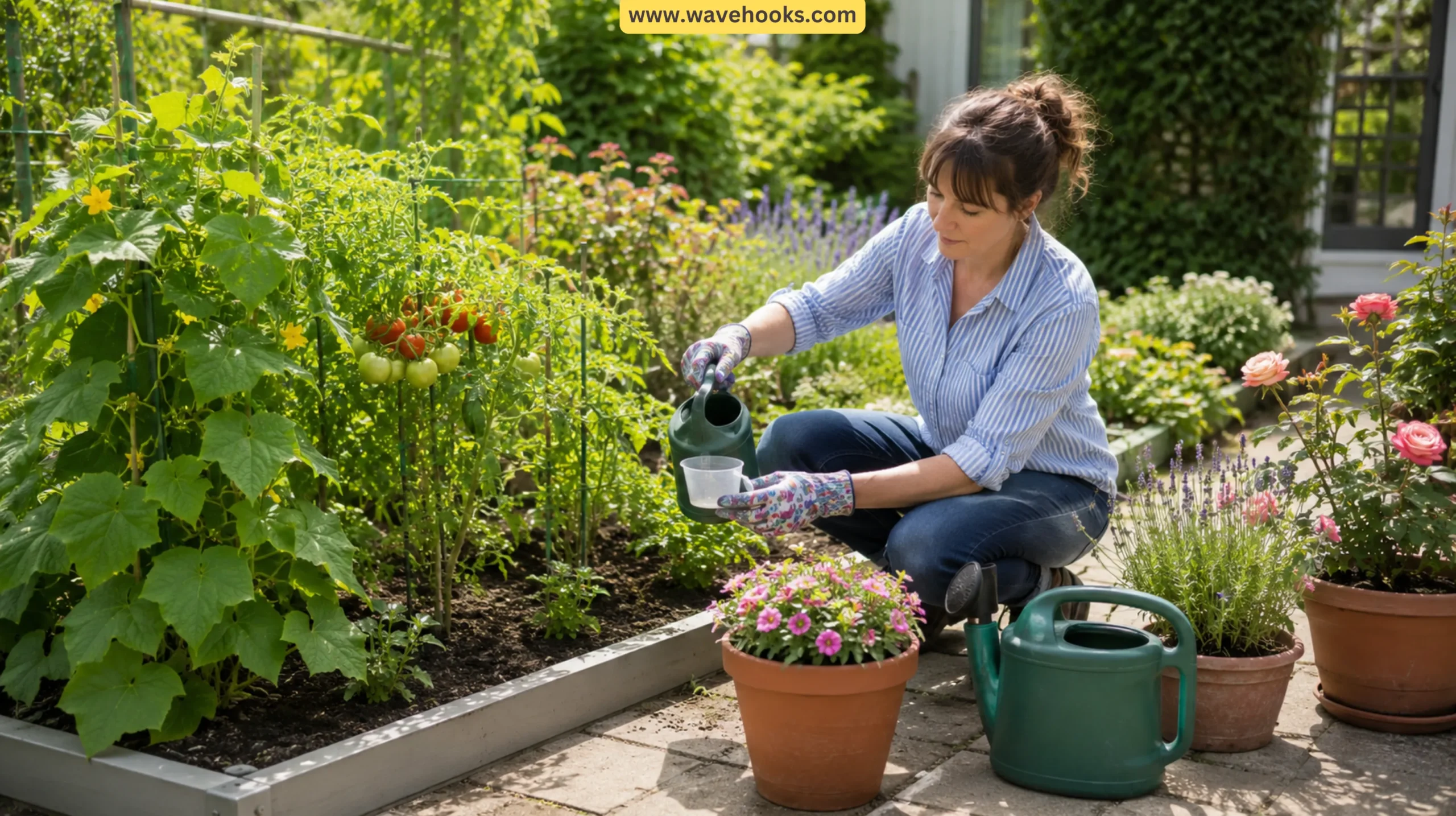
June is when most plants are in active growth, and their nutritional demands are at their highest point of the year.
Feeding correctly now directly affects how productive and healthy your garden is through July and August. But fertilising at the wrong time or with the wrong product causes problems just as significant as not feeding at all.
1. Feed vegetables with a balanced fertiliser every two weeks: Tomatoes, courgettes, cucumbers, and beans are all heavy feeders during active growth and fruiting. A balanced liquid feed every fortnight keeps up with their demands without causing the excessive leafy growth that a nitrogen-heavy feed produces.
2. Switch tomatoes to a high potassium feed once flowers appear: Before flowers form, tomatoes benefit from a balanced feed. Once flowers open, switch to a tomato-specific or high-potassium feed. Potassium supports fruit development and improves both size and flavour.
3. Feed roses after the first flush of flowers: Once the first wave of blooms has finished, feed roses with a rose-specific fertiliser. This supports the production of new growth that carries the second flush of flowers in late summer.
4. Do not overfeed: More fertiliser does not mean more growth. Overfeeding causes excessive soft leafy growth that is highly attractive to aphids and more vulnerable to disease. Follow the product instructions rather than doubling the dose.
5. Avoid feeding stressed or dry plants: Fertiliser applied to a plant that is already under stress from drought, disease, or waterlogging causes further damage. Water first, allow the plant to recover, and then feed once it is visibly healthy again.
6. Feed container plants more frequently than garden beds: Nutrients in container compost wash out quickly with regular watering. Container plants in active growth through June benefit from a liquid feed every one to two weeks rather than monthly.
Suggested Read: How To Get Rid Of Squash Bugs On My Pumpkins In 1 Day
Summer Garden Maintenance: The Weekly Tasks That Keep Everything On Track
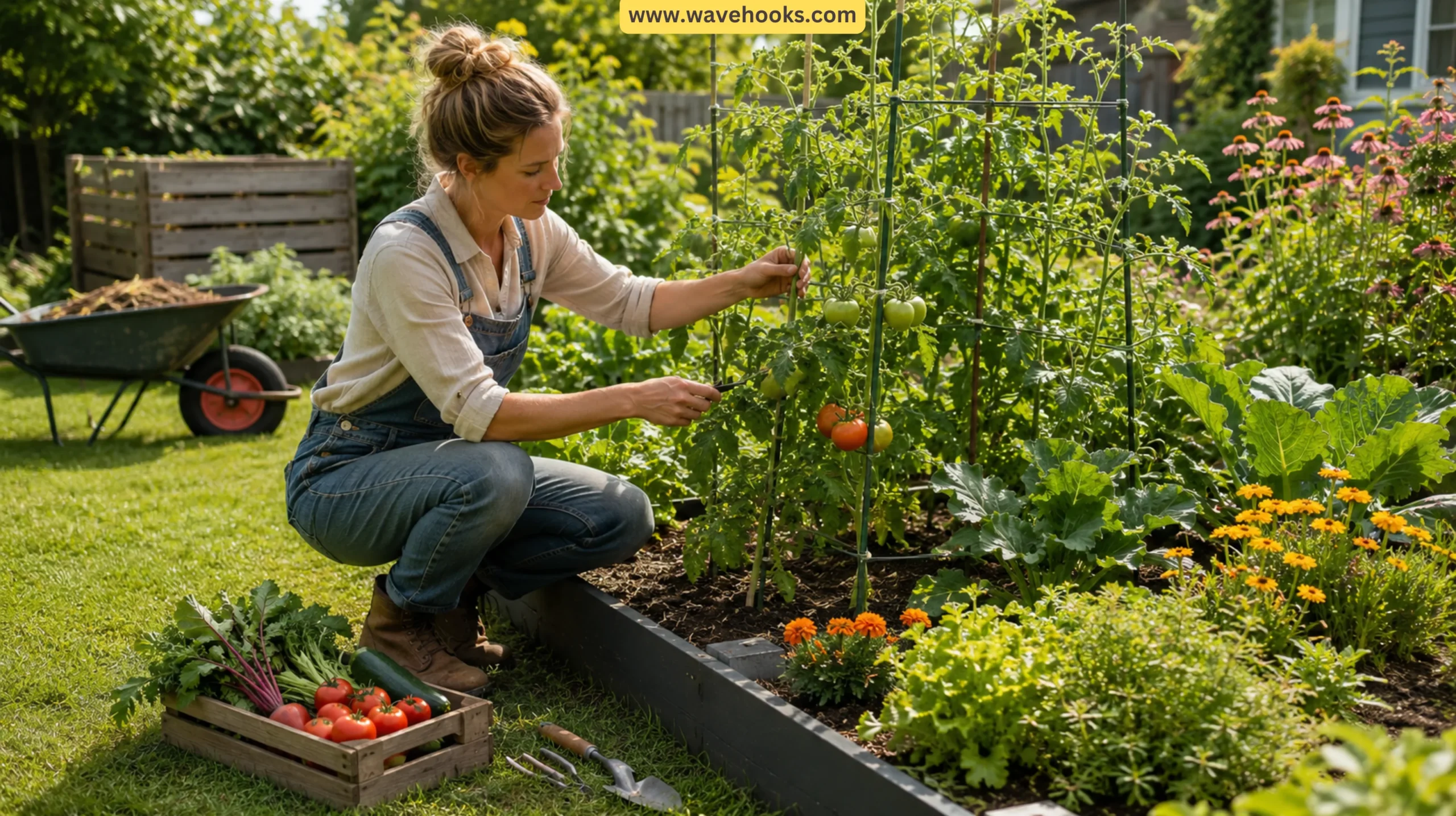
The gardens that look effortlessly good all summer are not the result of occasional big efforts. They are the result of small, consistent tasks done every week without skipping.
This section of the June garden checklist turns into your ongoing summer garden maintenance routine once you have worked through everything above. Here are some maintenance tips:
1. Weed every week without fail: Weeds left for two weeks in June become harder to remove than weeds pulled after one week. They establish deeper roots, set seed faster in warm conditions, and start competing seriously with your plants for water and nutrients. Ten minutes of weeding every week beats an hour of weeding every month.
2. Harvest regularly: Vegetables left on the plant past their prime signal to the plant that seed production is complete and slows down further fruiting. Picking regularly keeps the plant producing. Courgettes left too long become marrows. Beans left too long become tough and unpleasant. Harvest at the right size, and the plant keeps going.
3. Check supports and ties weekly: Fast-growing summer plants can outgrow their supports quickly. Check tomato canes, bean poles, climbing rose ties, and sweet pea supports every week and adjust before the weight of the plant causes damage or collapse.
4. Remove yellowing leaves promptly: Yellow leaves on otherwise healthy plants are usually the result of natural ageing or poor air circulation. Removing them promptly improves airflow around the plant and removes potential entry points for disease.
5. Turn the compost heap: June heat accelerates composting significantly. Turn the heap every two weeks through summer and keep it consistently moist but not waterlogged. Good compost produced now will be ready to use on the garden in autumn when it is most needed.
6. Mow the lawn regularly but not too short: In June heat, cutting the lawn too short stresses the grass and encourages it to dry out and brown faster. Raise the mower blade slightly compared to spring settings and mow every week to keep growth manageable without scalping.
How To Care Lawn In June: Keep The Grass Healthy Through Summer Heat
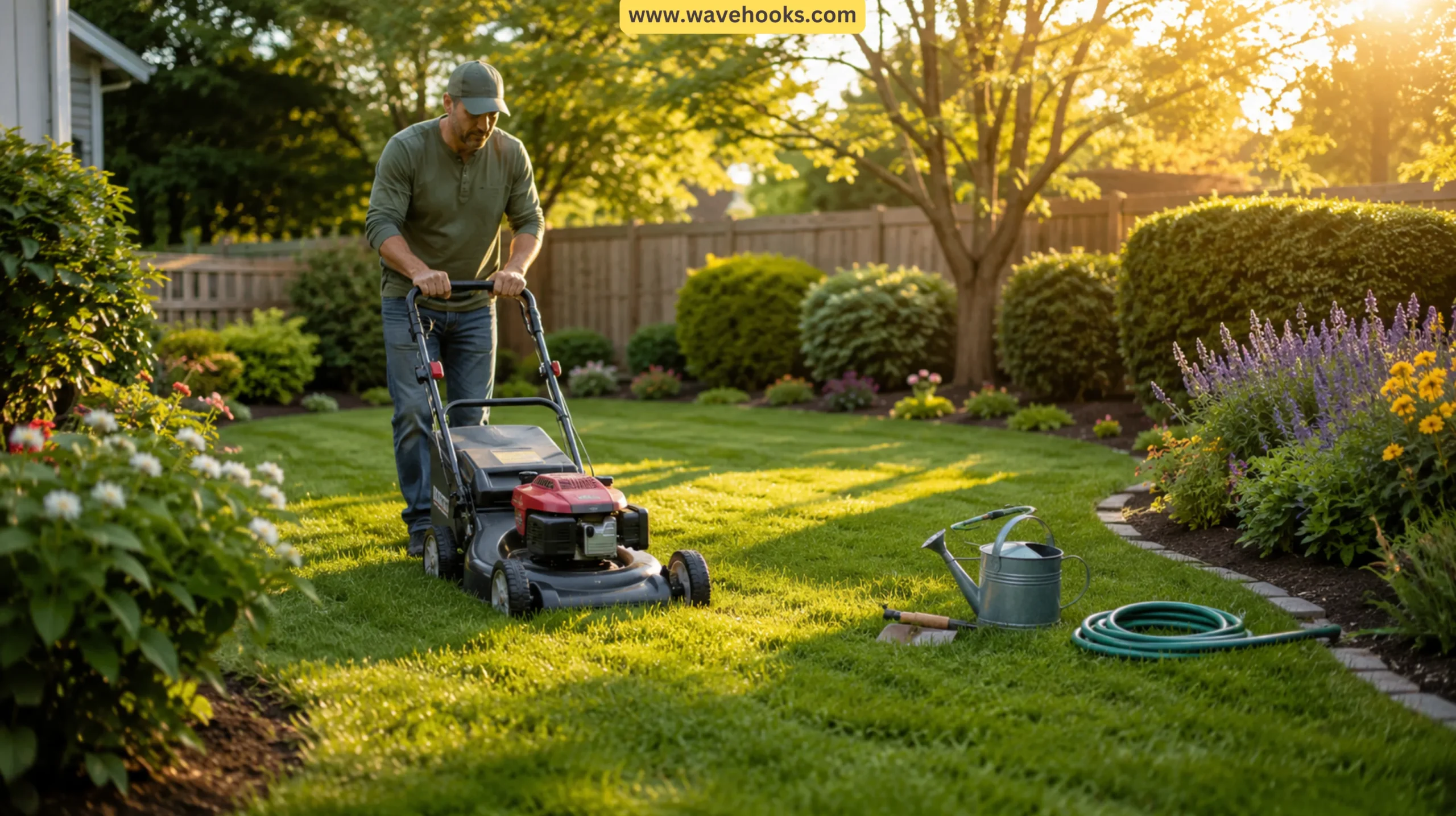
The lawn is part of the garden, and June is when it starts showing the effects of increased foot traffic, heat, and reduced rainfall. Here are some tips:
1. Raise the mowing height: Longer grass in summer shades the soil surface, reduces water loss, and stays greener during dry spells. Set the blade one notch higher than your spring setting and keep it there through summer.
2. Water the lawn deeply but infrequently: Light, frequent watering of grass encourages shallow roots that brown quickly in heat. One deep watering per week during dry spells is more effective than daily light watering.
3. Treat any bare or thin patches now: June soil temperatures are ideal for grass seed germination. Rake bare patches lightly, scatter seed, press it in firmly, and keep it moist. Seed sown in June establishes faster than spring sowings in cold soil.
4. Apply a summer lawn feed: A summer-specific lawn fertiliser applied in June promotes strong, healthy growth without the excessive surge that a high-nitrogen spring feed produces. Avoid feeding during a dry spell as fertiliser on dry grass causes scorch.
5. Deal with moss and weeds before they spread: Any moss or broadleaf weeds appearing in June will spread significantly through summer if left. Treat them now while they are still manageable rather than waiting until they have taken over large areas.
Also Read 10 Easy Fixes For How To Get Grass Out Of Socks Today!
Leave grass clippings on the lawn occasionally rather than collecting them every time. As they break down, they return nutrients to the soil and help retain moisture during dry weather. Do not do this if the clippings are long and wet, as they will clump and smother the grass underneath.
Conclusion
June is the month your garden either gains momentum or quietly loses it. Every task on this June garden checklist exists for one reason.
To keep your garden moving forward through the most demanding growing season of the year, rather than spending July and August managing problems that started here.
Plant what the season suits. Water deeply and at the right time. Prune with purpose. Mulch before the heat peaks. Check for pests while they are still manageable. Feed what is actively growing.
Do those things consistently through June, and your garden will show you exactly what it is capable of for the rest of summer.
Look Forward: June Garden Checklist
Pick one task from this checklist and do it today. Lay the mulch. Check the undersides of leaves. Water deeply at the base.
Each task takes less than an hour, and every one of them makes a real difference to how your garden looks and performs this summer.
Save this June garden checklist and come back to it every June. Your best garden season starts with what you do this weekend.
FAQ’s About June Garden Checklist
1. What is a June garden checklist and why does it matter?
A June garden checklist is a month-specific plan covering planting, watering, pruning, mulching, and pest management. June sets the foundation for how well your garden performs all summer, so getting these tasks done at the right time makes a significant difference to the outcome.
2. What is the single most important task in June for any garden?
Mulching. It locks in soil moisture, suppresses weeds, regulates soil temperature, and reduces the amount of watering and weeding needed through the rest of the summer. Done in June before peak heat arrives, it delivers more return for less effort than any other single garden task this month.
3. How do I keep up with garden maintenance through summer without it becoming overwhelming?
Ten minutes every morning and one focused hour per week handle the majority of summer garden maintenance. Daily walks catch pest problems and watering needs early. Weekly weeding, harvesting, and deadheading prevent small tasks from building into large ones that take a whole weekend to address.
Also Read: 45+ Genius Space-Saving Yard Tool Storage Ideas For Any Home.
50+ Simple Front Yard Landscaping Ideas That Look Expensive!







One Comment