

Every autumn, I used to rake up all the fallen leaves and throw them away. Then my neighbor showed me how those leaves could actually help my garden grow healthier.
I was surprised by how useful they could be! Now I know many ways to use fall leaves in the garden, and each one saves money and effort.
In this post, I share 30 simple and fun ways to use fall leaves in the garden that anyone can try this weekend.
Using Leaves as Garden Mulch and Fall Leaf Mulch for Plants
Mulch is the easiest place to start. Here I show how fallen leaves protect soil and feed plants all winter.
1. Whole Leaf Mulch for Flower Beds
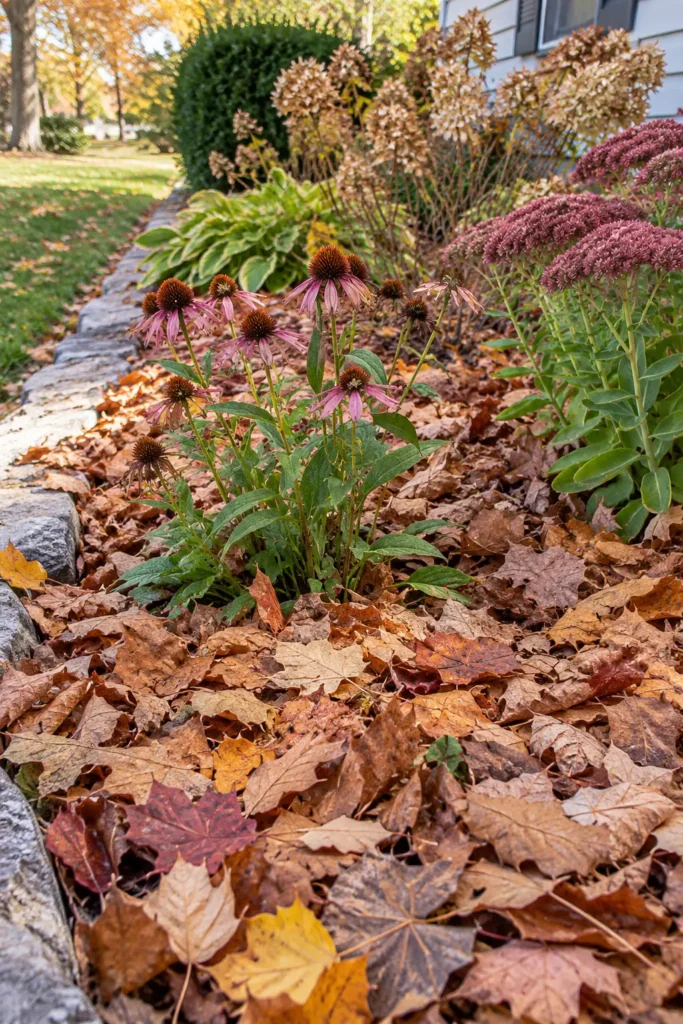
I will never forget how bare my flower beds looked after the first frost. Then I spread a thick layer of whole leaves over them, and the soil stayed warm all winter.
This is one of the easiest ways to use fall leaves in the garden. Pile them about three inches deep. Keep leaves a little away from stems so the plants can breathe and stay healthy.
2. Shredded Leaf Mulch for Vegetable Rows
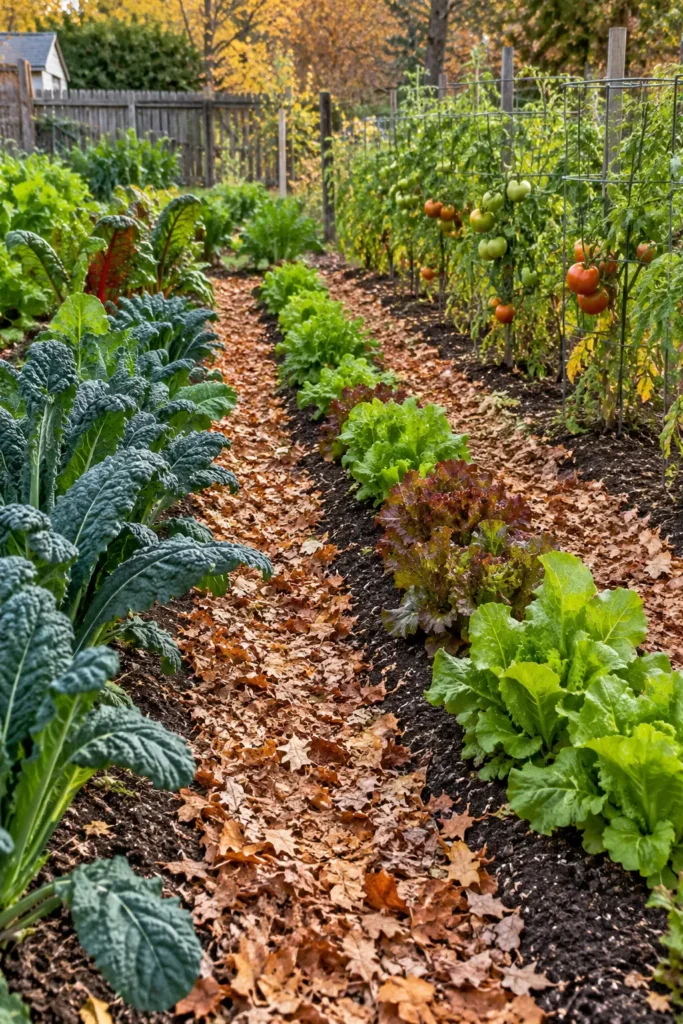
Whole leaves can blow around,d so I shred mine for the vegetable patch. Run a mower over the pile a few times until the pieces look like coarse crumbs.
Spread this fluffy mulch between your rows. It holds water and keeps weeds quiet. Using leaves as garden mulch also feeds the soil as it breaks down. My tomatoes loved it more than I ever expected.
3. Leaf Blanket for Perennials
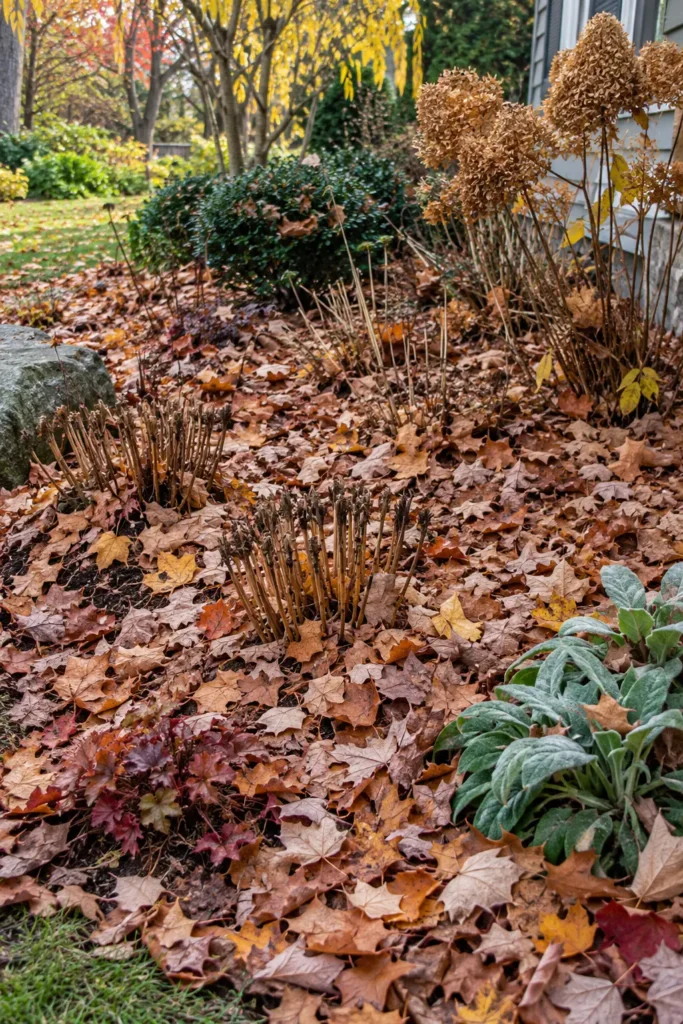
Perennials hate sudden cold snaps, ps and I have lost a few plants that way. Now I tuck them in with a leaf blanket after the ground cools. Cover the crown and roots with a loose layer.
This is one of the best ways to use fall leaves in the garden for plants you love. Pull the leaves back in early spring so new shoots can see the sun.
4. Mulch Around Trees and Shrubs
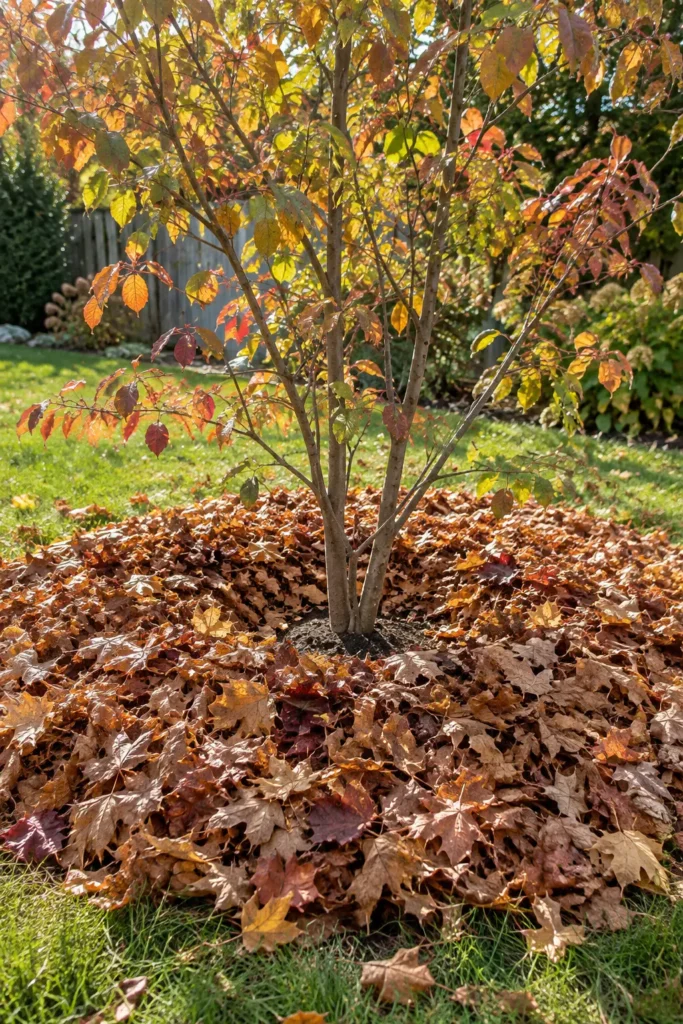
Young trees and shrubs need extra care in their first winters. I pile leaves in a wide ring around each trunk and fluff them with a rake. This keeps roots cozy and helps the soil hold water.
Leave a small gap at the trunk so moisture does not cause rot. Fall leaf mulch for plants like roses and hydrangeas works well too. They bounce back stronger each spring.
5. Pathway Mulch Between Beds
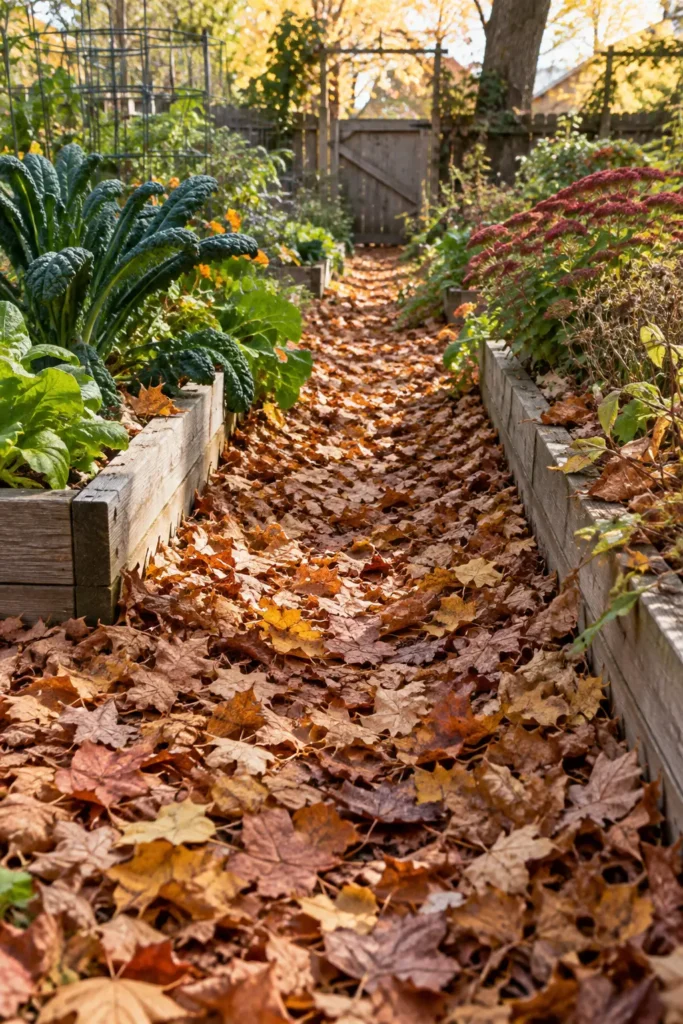
Muddy paths used to ruin my boots every autumn. Then I covered my garden paths with a thick layer of dry leaves. They soak up water and give you a soft walk.
Weeds struggle there too. Among the many ways to use fall leaves in the garden, den this one saves the most time. Top the path up each month as the leaves sink down and turn into soil.
6. Cover Garlic and Spring Bulbs
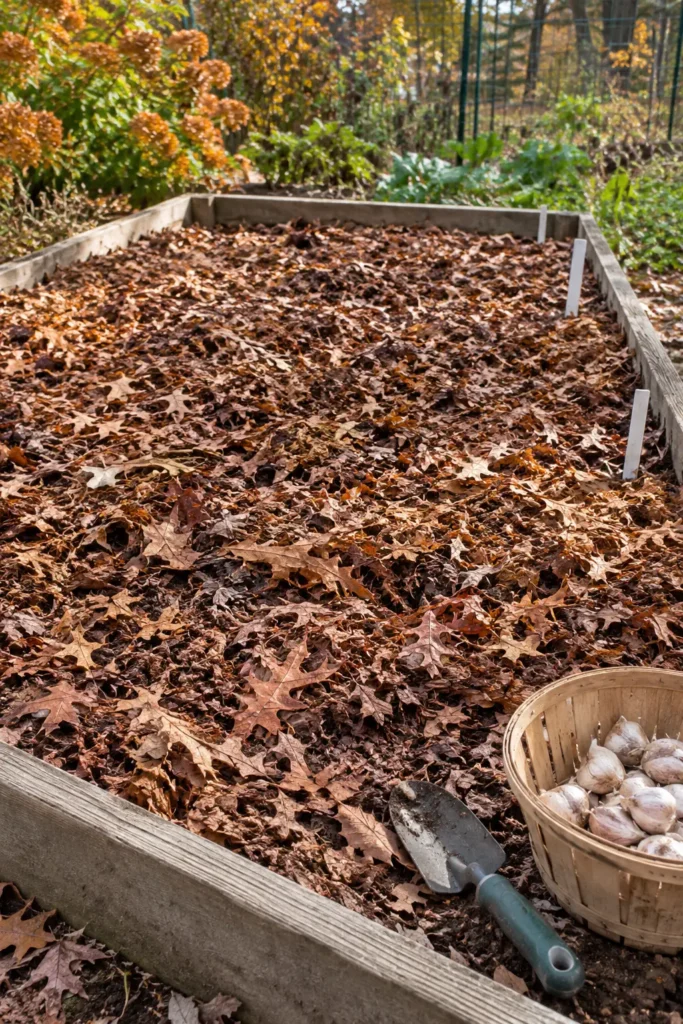
Garlic and spring bulbs go in the ground in fall, and they love a cozy cover. After planting, I rake a layer of shredded leaves over the bed. It stops the soil from freezing hard and keeps weeds away.
In spring,g the green tips push right through. Do not use whole leaves here because they can mat down. Shredding them first makes everything lighter and easier.
Composting Fall Leaves and What to Do With Fall Leaves That Pile Up
Composting turns a big pile into black gold. These easy methods work even if you have never made compost before.
7. The Classic Leaf Compost Pile
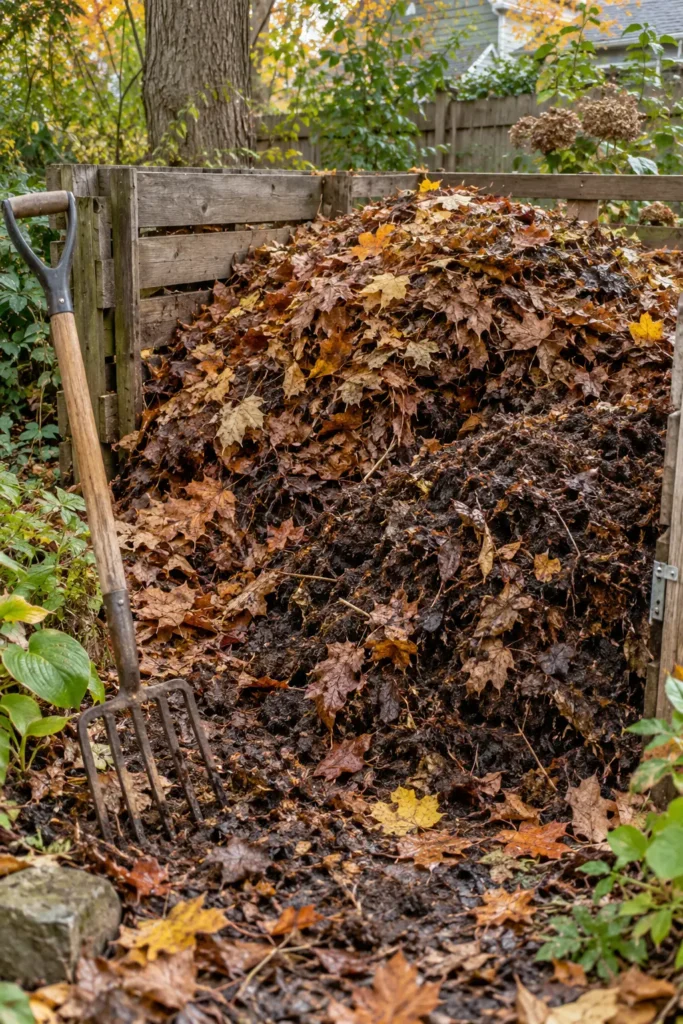
My first compost pile was just leaves in a corner, er and it worked. Pile them at least three feet wide and three feet tall so the heat builds. Wet the leaves as you stack them.
Turn the pile once a month with a fork. Composting fall leaves is among the ways to use fall leaves in the garden that gives you free soil food by next year.
8. A Simple Leaf Mold Bin
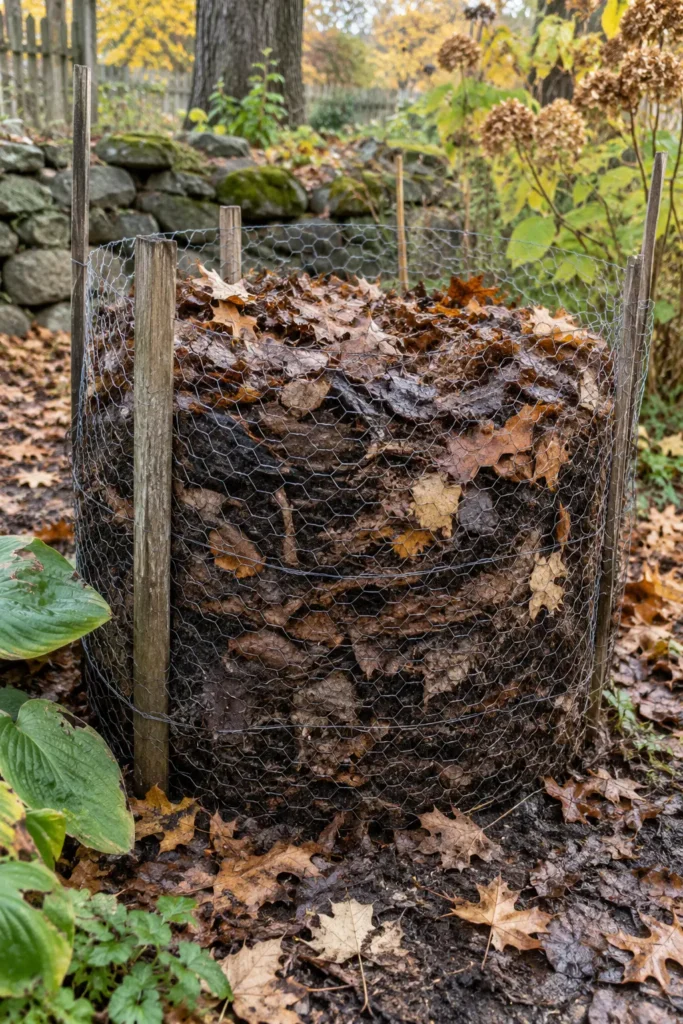
Leaf mold is dark and crumbly, and plants adore it. Make a simple bin by wrapping chicken wire around four stakes. Fill it with wet leaves and press them down. Then forget it for a year or two.
Wet it during dry spells. No turning is needed. The slow fungus does all the work. Use the finished leaf mold as a soft soil booster for any bed or pot.
9. Composting Leaves in Trash Bags
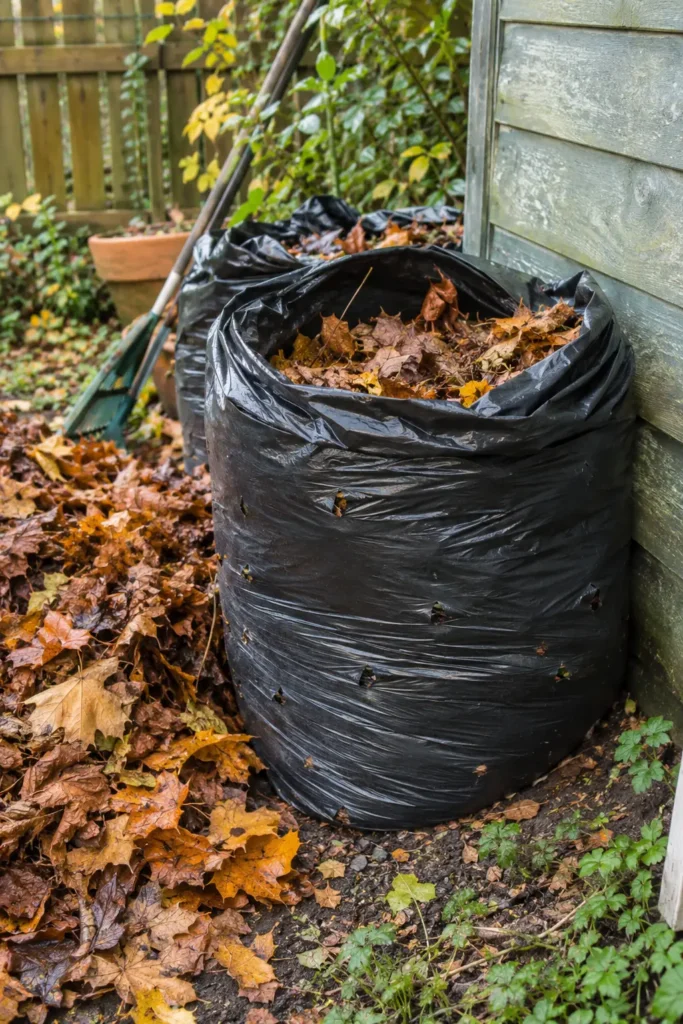
No space for a pile? I stuffed leaves into black trash bags,s and it worked like magic. Wet the leaves a little and poke a few holes in the bag. Tie it shut and tuck it behind the shed.
Shake it now and then. By next fall, you will have crumbly compost. It is one of the tidiest ways to use fall leaves in the garden.
🍂 Is Your Garden Missing These Simple Upgrades?
10. A Brown Layer for Kitchen Scraps
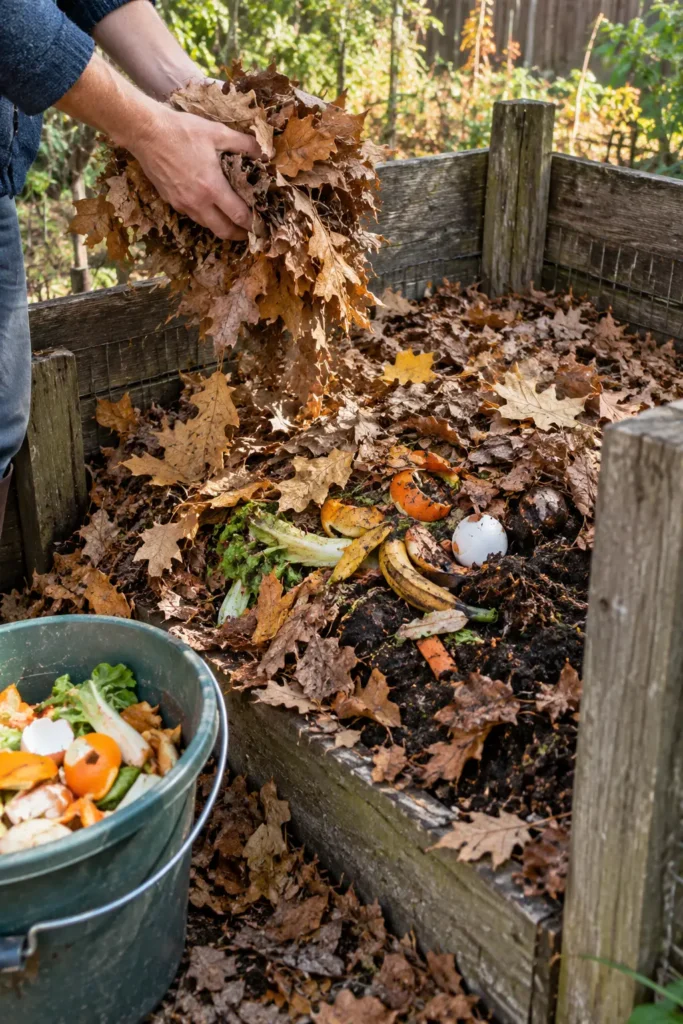
Kitchen scraps get smelly when there is nothing to balance them. Dry leaves are the perfect brown layer. I keep a bag of them next to my compost bin.
Every time I add fruit peels or coffee grounds, I cover them with a handful of leaves. Smells vanish and flies stay away. It works every time. A good mix is about two parts leaves to one part scraps.
11. Bedding for a Worm Bin
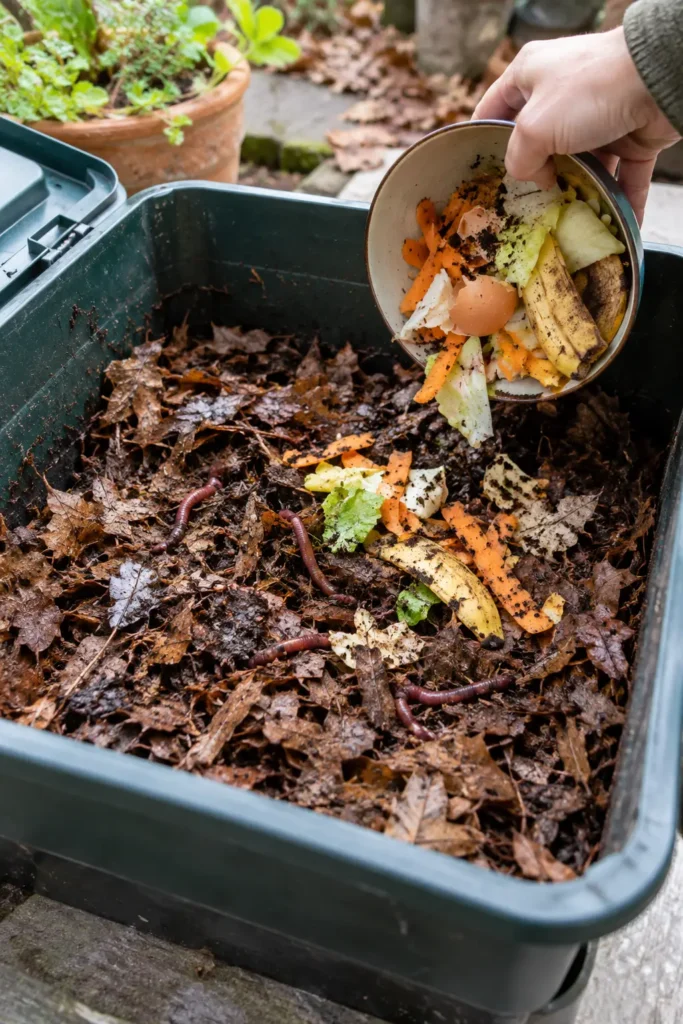
Worms love a soft bed,d and shredded leaves make a perfect one. I fill the bottom of my worm bin with damp torn leaves before adding food scraps.
The leaves hold moisture and give air to the worms. This is one of the quiet ways to use fall leaves in the garden, en even if you live in a small flat. Keep a bag of dry leaves for refills.
12. Trench Composting in Garden Rows
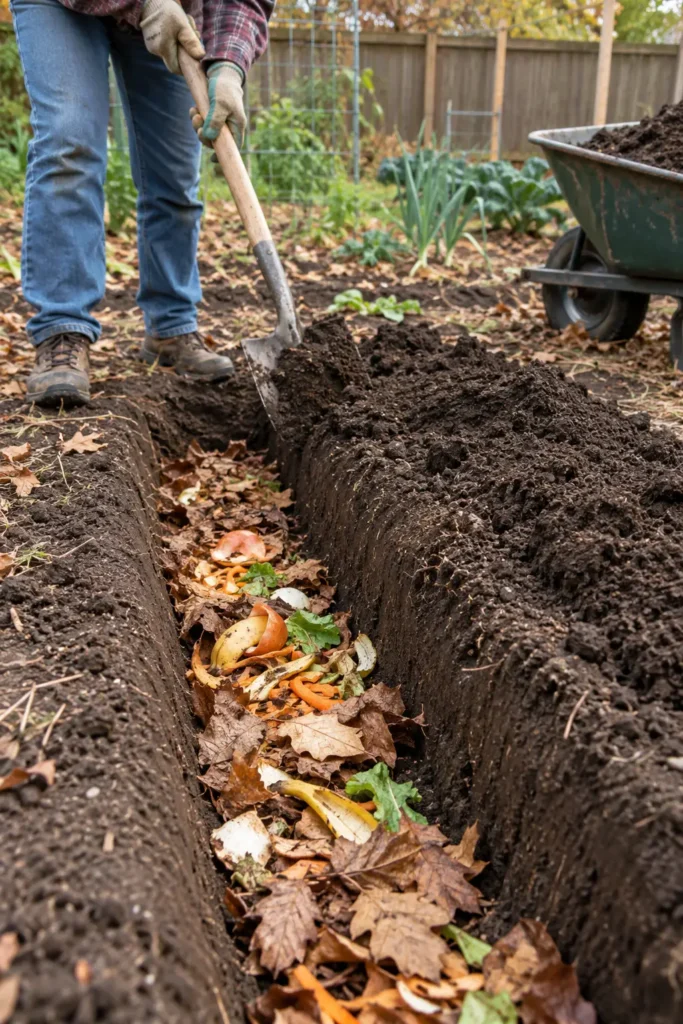
Here is a lazy way to compost right in the soil. Dig a trench about a foot deep in an empty bed. Toss in leaves and kitchen scraps and cover it with soil.
By late spring, the mix has turned into rich ground. I plant squash or beans right on top. This idea needs no bin and no turning. Just dig and bury. It could not be easier.
Uses for Fallen Leaves and Fall Leaves Gardening Ideas for Beds and Crops
Not sure what to do with fall leaves besides compost? These fall leaves gardening ideas shape beds and protect crops.
13. Lasagna Garden Beds
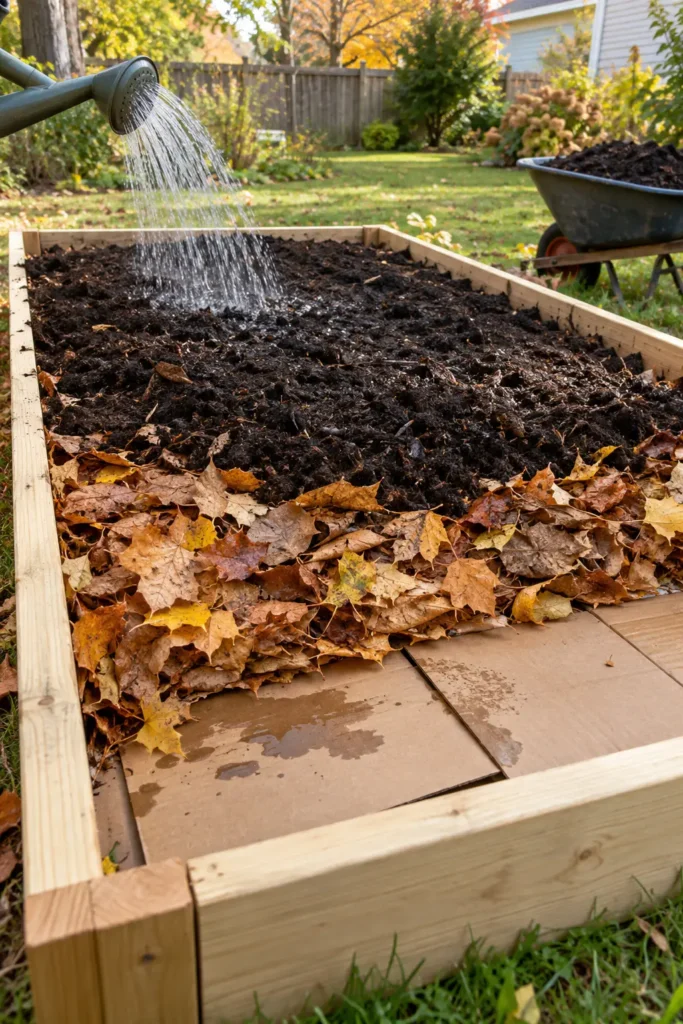
I built my favorite new bed without digging once. Lay flat cardboard on the grass and soak it. Add a thick layer of leaves,s then a layer of compost, then more leaves.
Water it well and let it rest over winter. By spring,g the grass underneath is gone. It is one of the smartest ways to use fall leaves in the garden for making a brand new bed.
14. Raised Bed Filler
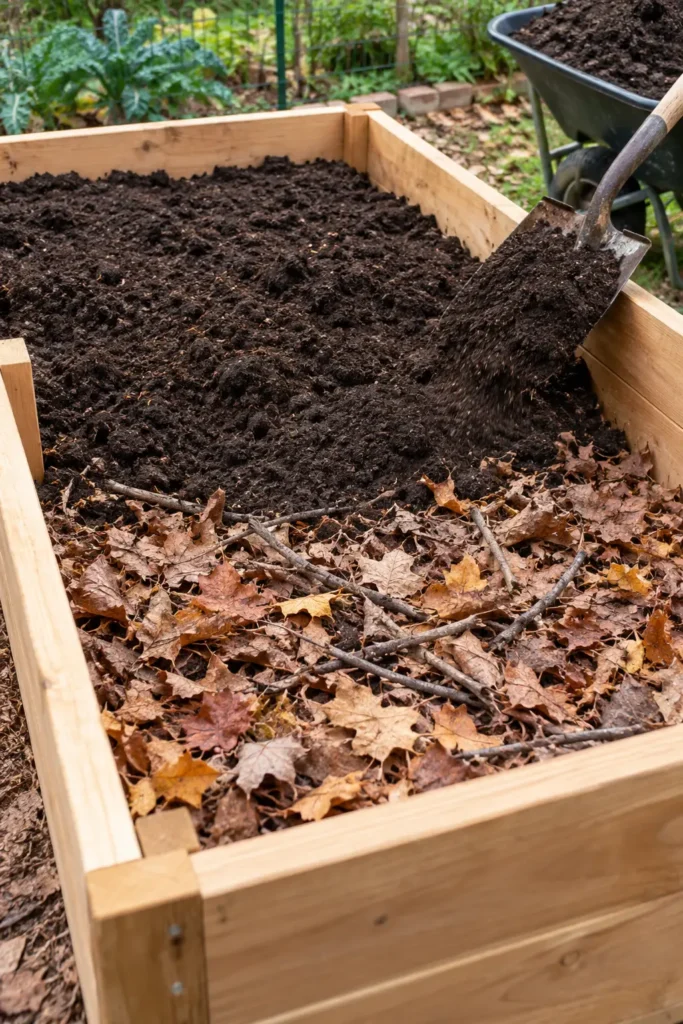
Raised beds sink over time, and filling them with soil gets pricey. I fill the bottom half with leaves and twigs and top it with good soil. The leaves rot slowly and feed the roots from below.
This also saves a lot of money on soil bags. Press the layers down well so the bed does not sink too fast. My carrots grew long and straight.
15. Cold Frame Insulation
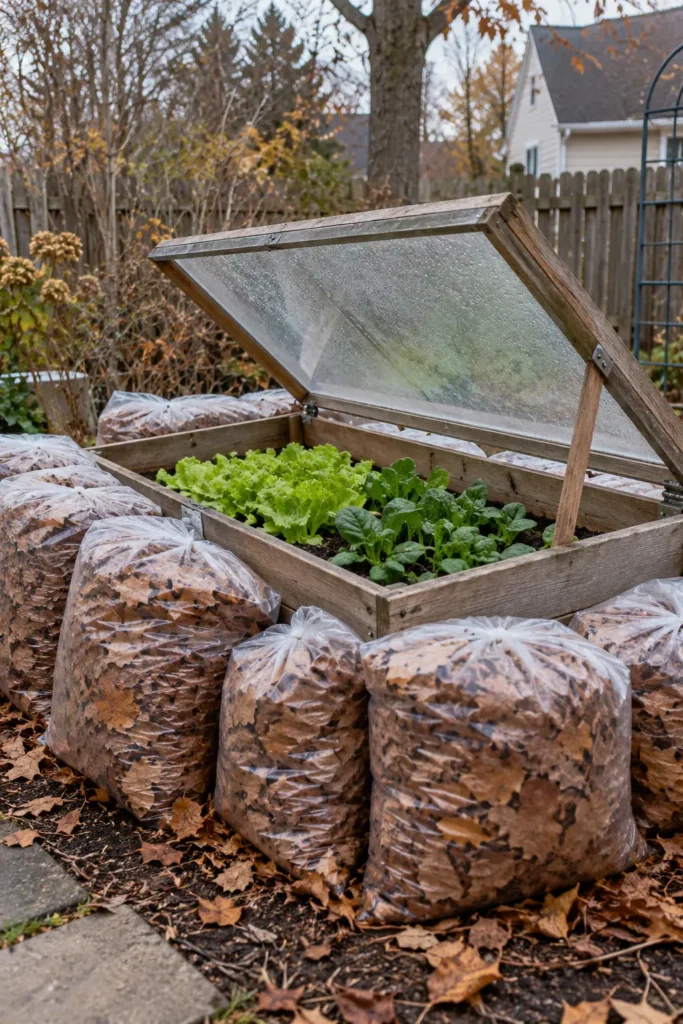
A cold frame lets you grow lettuce and spinach deep into winter. I stack bags of dry leaves around the outside walls to hold in heat. On cold nights, I lay a few leaves over the plants inside.
This is one of the cheap ways to use fall leaves in the garden for fresh salad in December. Remove the leaves on warm days, so plants do not overheat.
16. Leaf-Filled Cage for Tender Plants
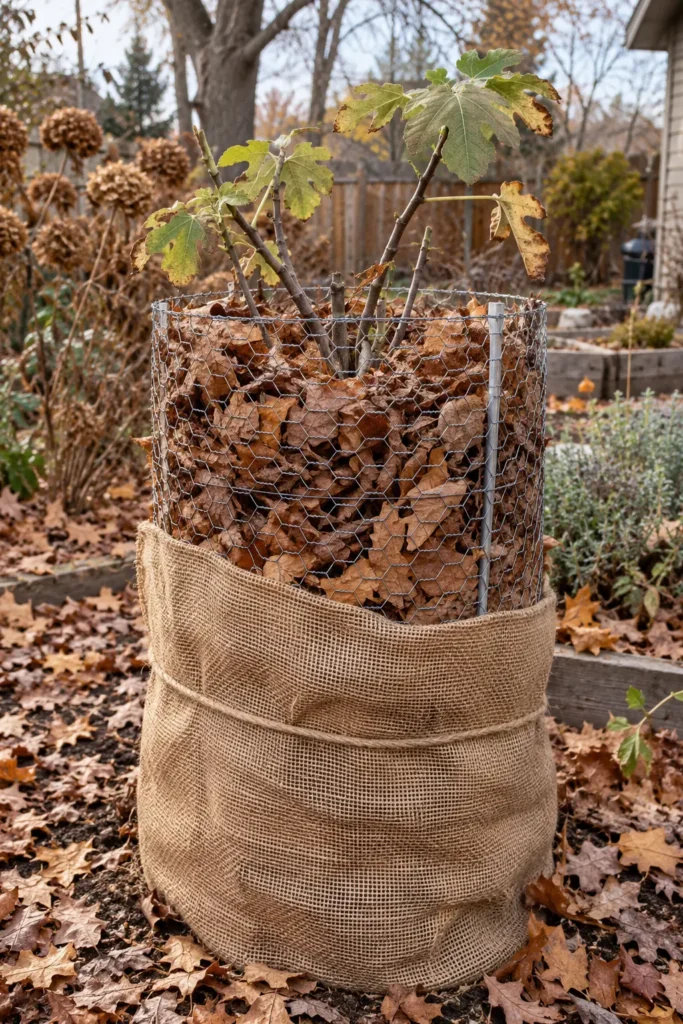
Tender plants like figs and young rose bushes need a warm coat. I make a cage from chicken wire or stakes and fill it with dry leaves. The leaves trap air and block icy wind.
Wrap burlap around the outside so the leaves stay put. Open it in spring when the weather warms. My fig tree has survived three hard winters thanks to this simple cage.
17. Store Root Crops in Leaves
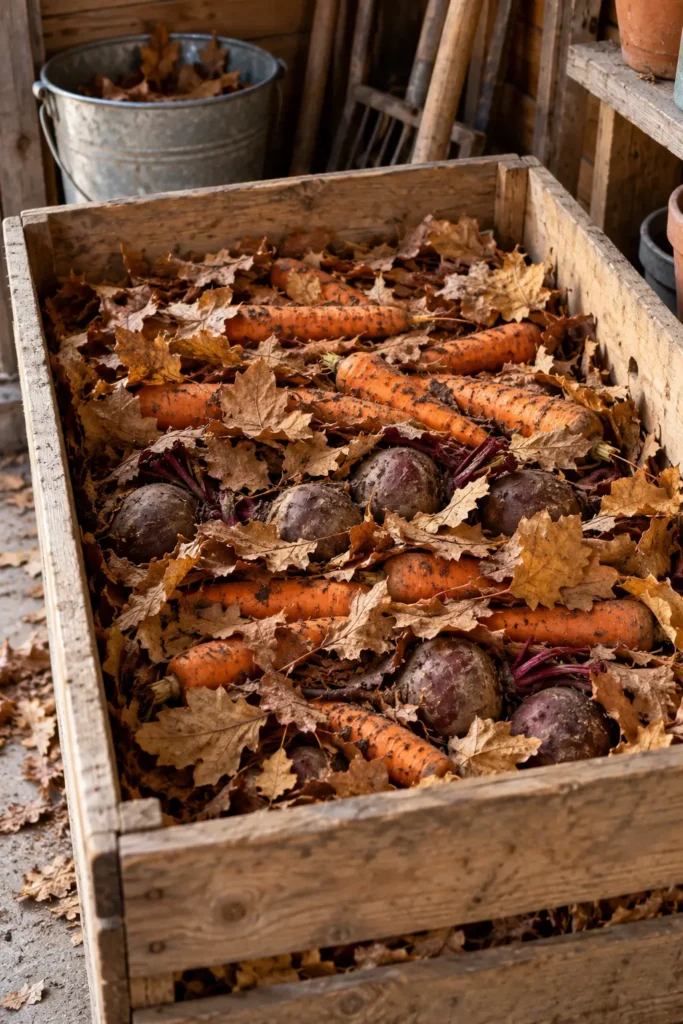
Did you know leaves can keep carrots and beets fresh for months? Fill a bucket or a box with layers of dry leaves and root crops. Keep it in a cool garage or shed.
The leaves keep roots dark and cool so they stay crisp. This is one of the most surprising ways to use fall leaves in the garden harvest. Check the box once a month.
18. Dig Leaves Into Clay Soil
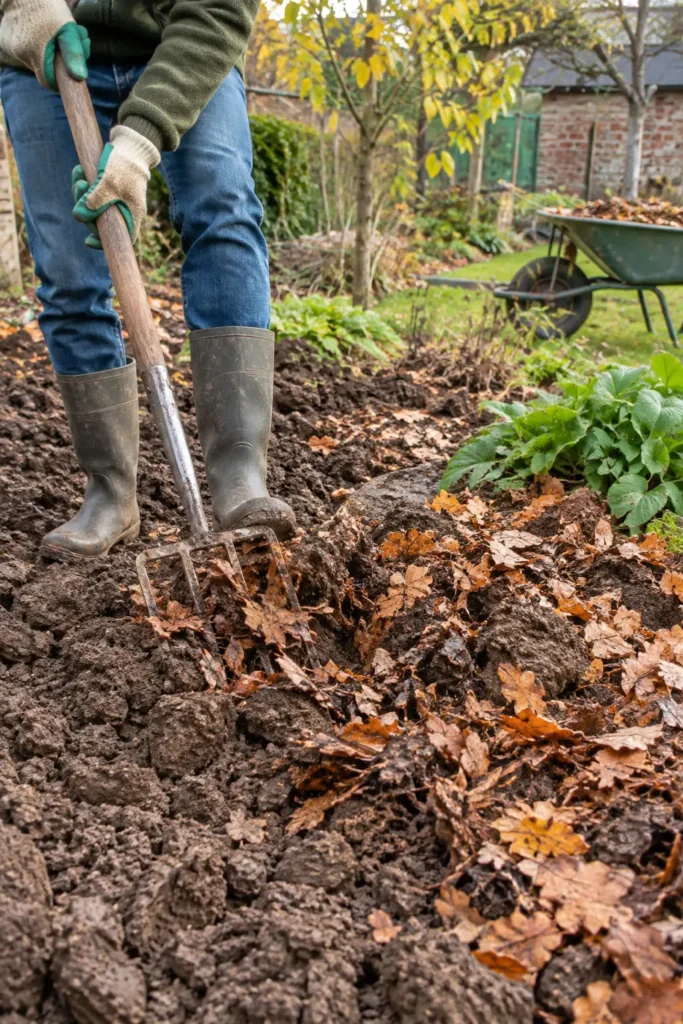
My yard has heavy clay that holds water and cracks in summer. Each fall I dig shredded leaves into the top six inches of soil. Over time, the clay turns loose and crumbly.
Water drains better,ter and roots grow deeper. Sandy soil improves too because leaves help it hold moisture. Do this each year, ar and you will see a big change in just a few seasons.
How to Reuse Autumn Leaves for Pots and Wildlife-Friendly Corners
Pots and wildlife need leaves too. Learn how to reuse autumn leaves for your containers and for the tiny creatures.
19. Leaf Topping for Potted Plants
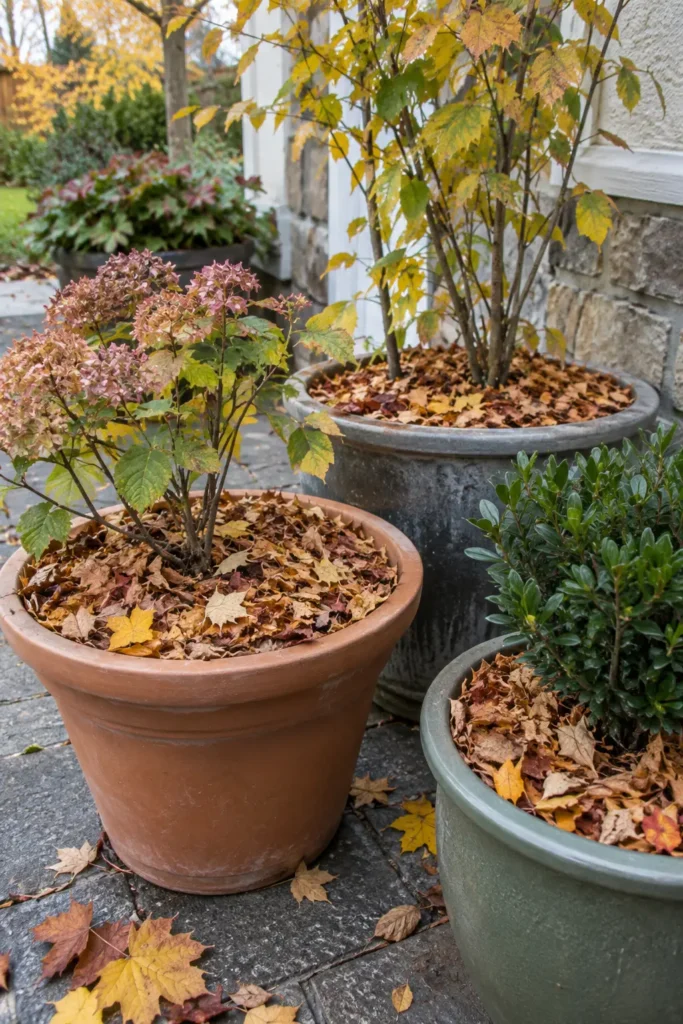
Potted plants dry out fast and freeze easily. I cover the soil in each pot with a thin layer of shredded leaves. This keeps roots warmer and holds in water.
It also stops soil from splashing during rain. Try it on herbs first. Of all the ways to use fall leaves in the garden, this takes the least time. Move pots near a wall for even more protection.
🌱 Want More From Your Fall Garden?
20. Homemade Potting Mix With Leaf Mold
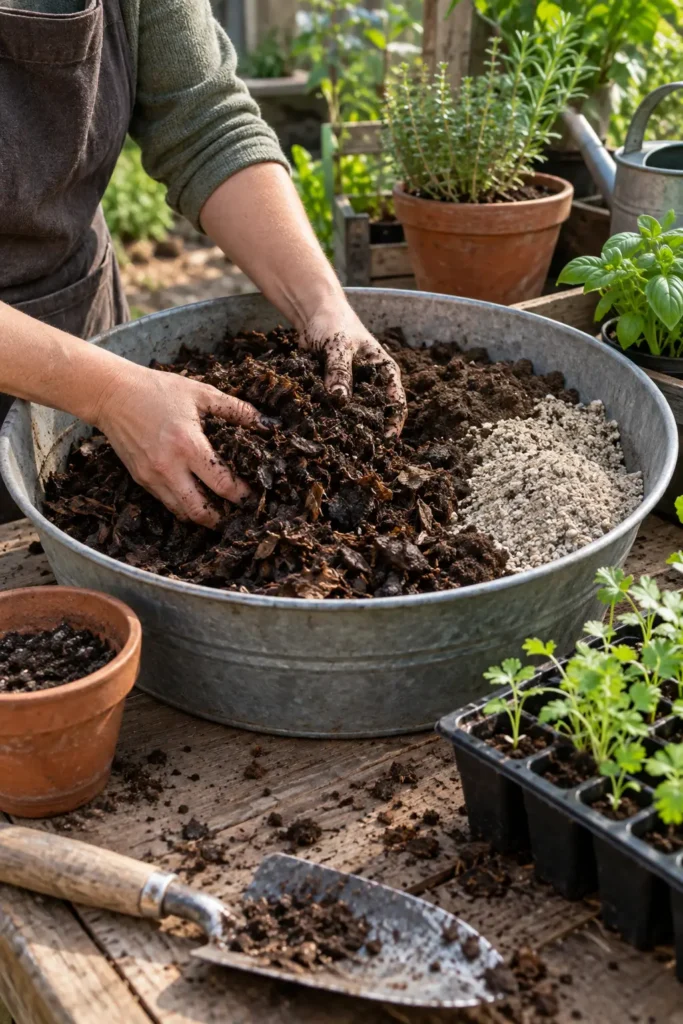
Store-bought potting mix costs a lot. Once my leaf mold turned dark and crumbly, I started mixing my own. Blend one part leaf mold with one part garden soil and one part sand or grit.
Sift out any big bits. This mix holds water yet drains well. Seedlings and herbs grow happily in it. Making your own mix feels very rewarding and saves money.
21. A Leaf Pile Shelter for Wildlife
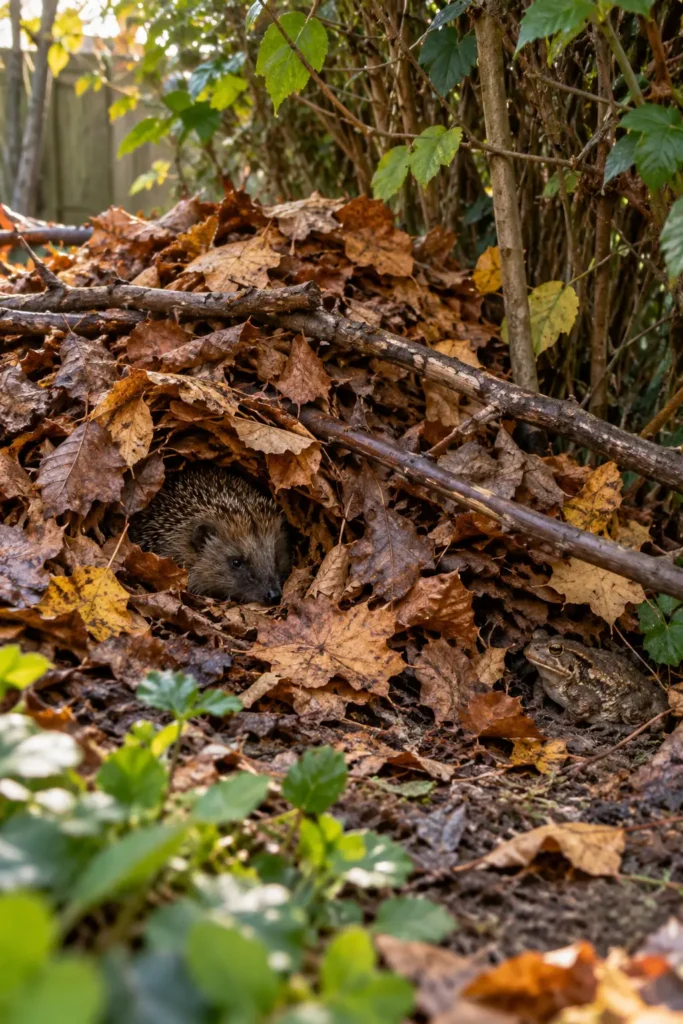
Hedgehogs and toads need warm hiding places in winter. I rake a loose pile of leaves into a quiet corner behind a hedge. Add a few sticks on top to keep it from blowing away.
This is one of the kindest ways to use fall leaves in the garden. Frogs and beetles love it too. Do not turn the pile over once animals move in. Just let them sleep.
22. Leave a Butterfly and Moth Corner
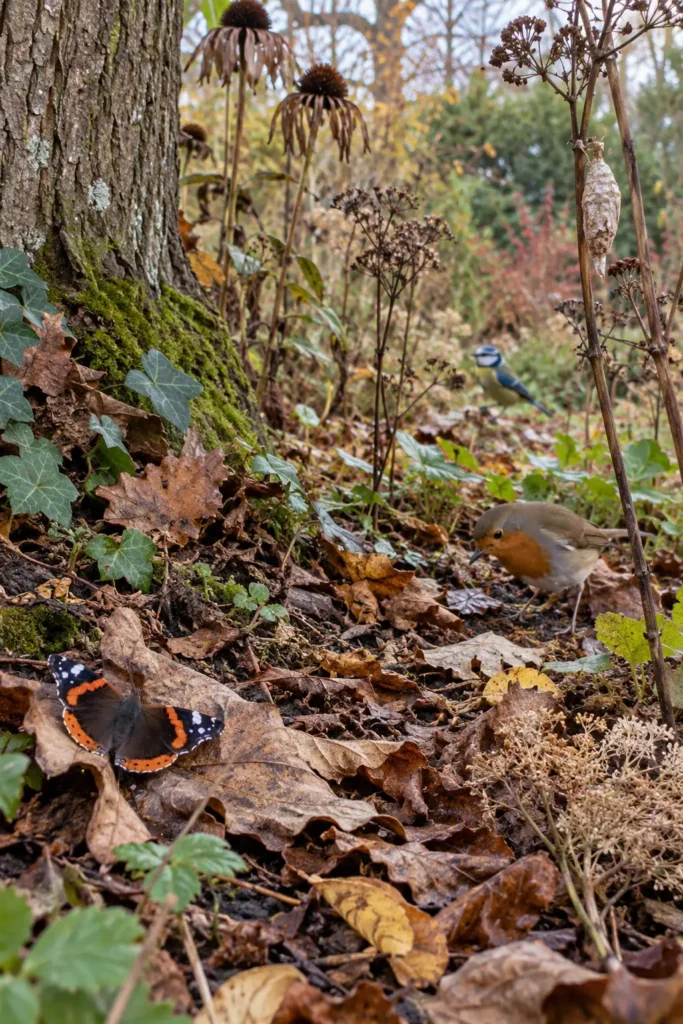
Many butterflies and moths spend winter as eggs or cocoons tucked inside fallen leaves. When I stopped clearing every leaf,f the next summer garden filled with more butterflies.
Pick one bed under a tree and leave the leaves right where they land. Birds will also visit to hunt for bugs. It looks natural and takes zero effort. Kids enjoy spotting them. Your garden will feel alive again.
23. Bedding for Chickens and Rabbits
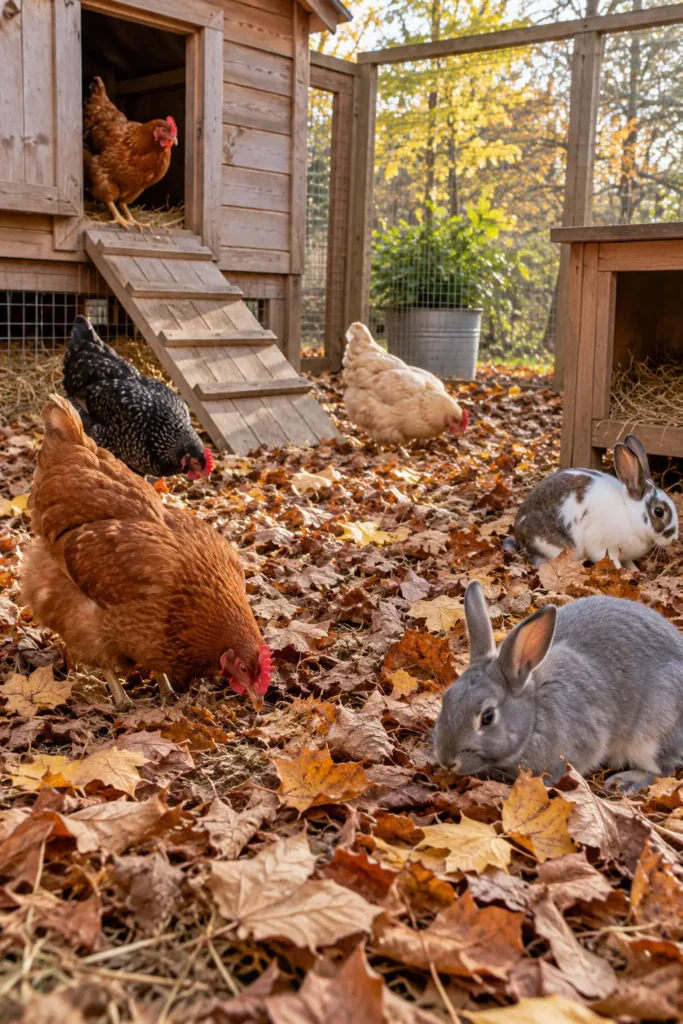
If you keep chickens or rabbits, then leaves are free bedding. I spread dry leaves on the coop floor and in the run. They soak up droppings and cut down smell.
When it gets dirty,y I scoop it all into the compost pile. It is one of the handiest ways to use fall leaves in the garden if you keep pets. Never use leaves that look moldy.
24. Leaf Tea as a Liquid Feed
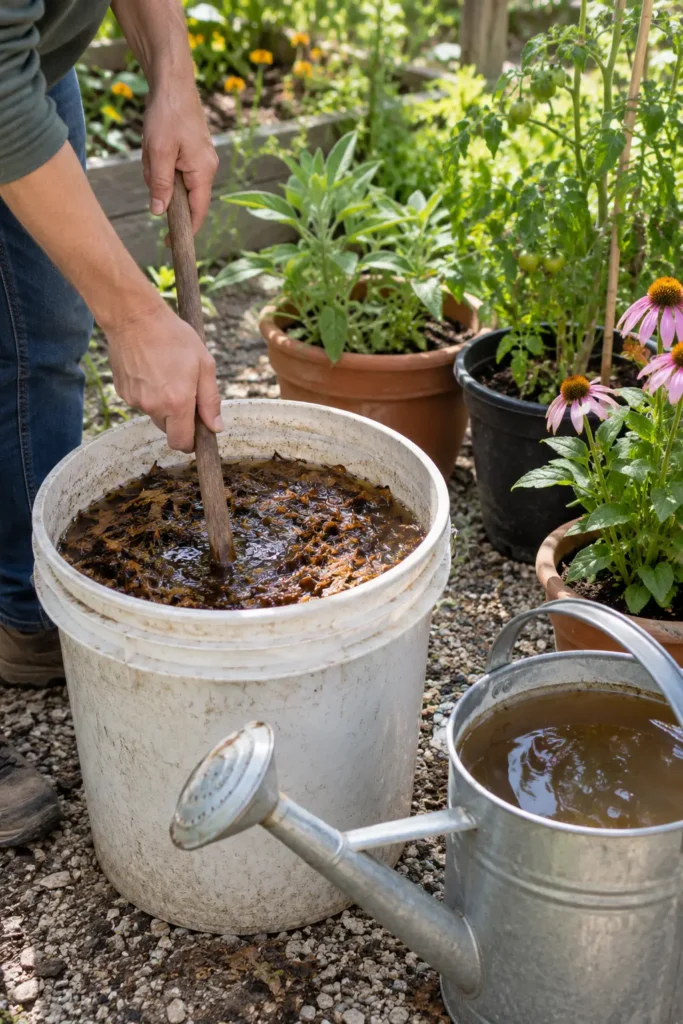
Leaf tea is a gentle liquid food for plants. Fill a bucket one-third full with shredded leaves or finished leaf mold. Add water to the top and cover it. Stir once a day for about a week.
Strain the liquid and pour it around the roots of your plants. Dilute it until it looks like weak tea. Your plants will thank you with fresh green growth.
Ways to Recycle Autumn Leaves Now and Ways to Use Fall Leaves in the Garden Next Spring
Winter is near, but there is plenty to do. These ideas help you recycle autumn leaves now and enjoy spring.
25. Mow Leaves Into the Lawn
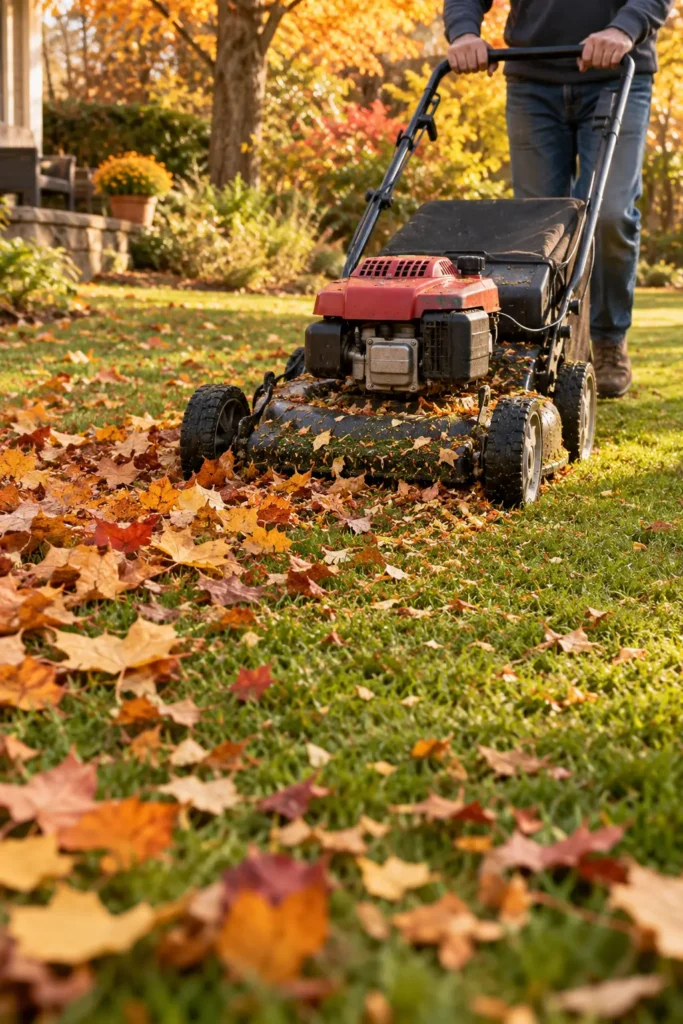
Your lawn can eat leaves too. Mow over a thin layer of leaves so they turn into tiny bits. Those bits fall between the grass blades and feed the soil.
I stopped bagging my leaves years ago, and my grass looks greener. This is among the fastest ways to use fall leaves in the garden. Just do not leave a thick wet blanket on the grass.
26. Make a Leaf-Stuffed Scarecrow
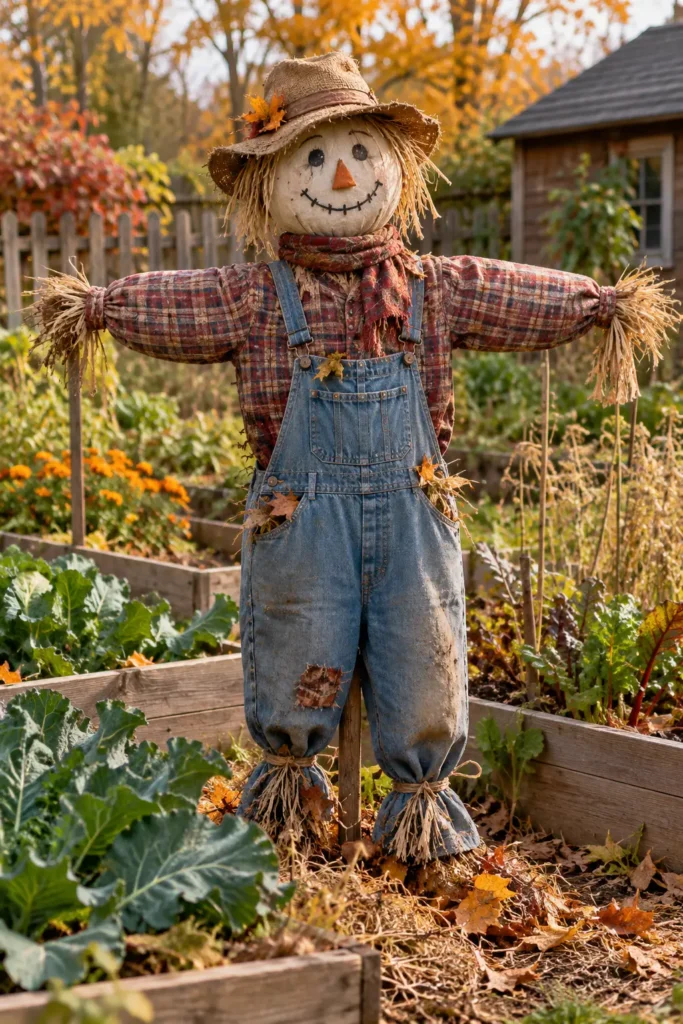
Here is a fun one for the kids. Stuff old clothes with dry leaves to make a scarecrow for your vegetable patch. Tie the sleeves and legs with string. Add a hat and a painted face.
Kids love helping, and it adds charm to the garden. When winter ends, you can open it up and add the leaves to the compost. Nothing goes to waste.
27. A Weed Blocking Layer for Empty Beds
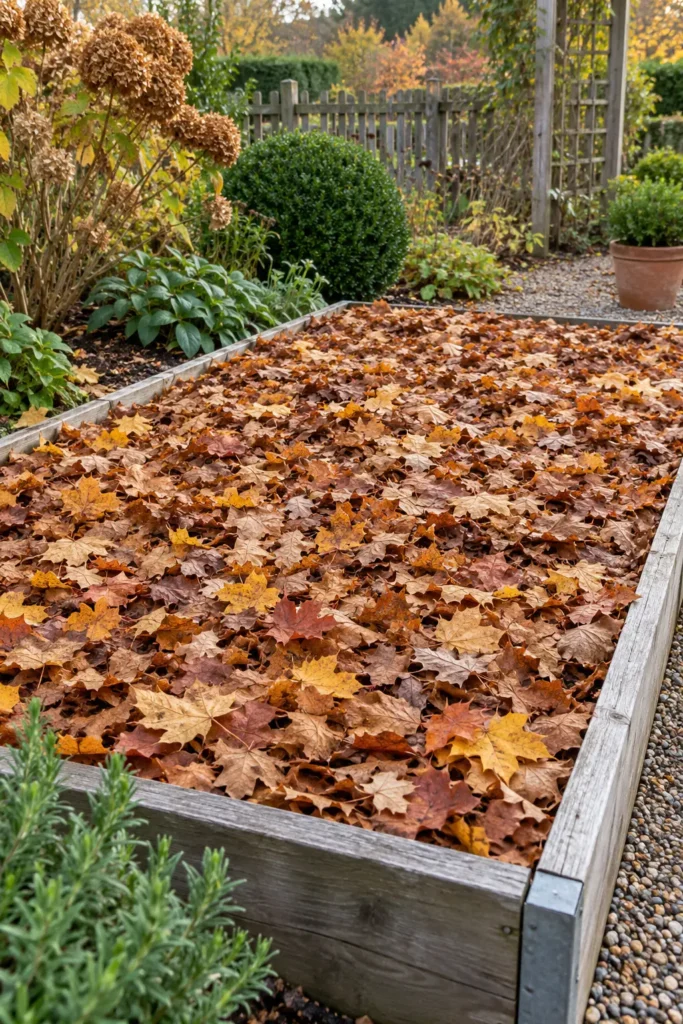
Weeds sprout the moment you turn your back. Before winter, I cover empty beds with a thick layer of leaves to block sunlight. Many weed seeds cannot sprout without light.
In spring,g I rake it back or plant right through it. Among the practical ways to use fall leaves in the garden, en this one saves hours of weeding. Add a layer at least four inches deep.
28. Collect Extra Leaves From Neighbors
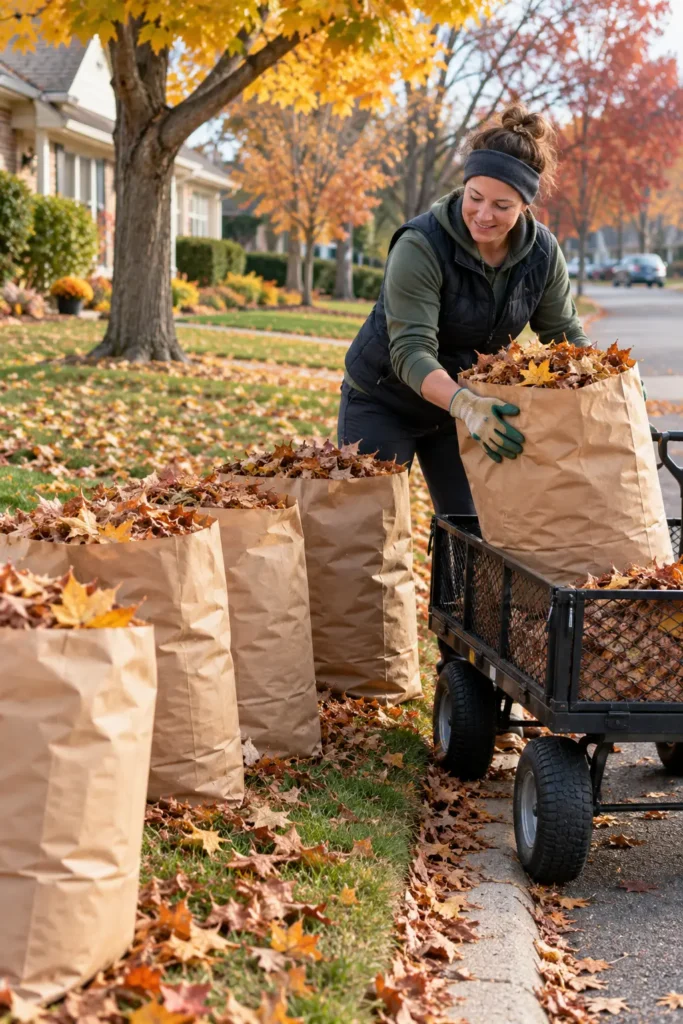
Why stop at your own yard? Neighbors often leave bags of leaves at the curb. I knock on a few doors and ask for them. They are happy to share, and I get free mulch and compost material.
Many towns also offer free leaf pickup piles. Bring a tarp and gloves. This is a great way to meet people and one of my favorite fall habits.
29. Stockpile Dry Leaves for Summer
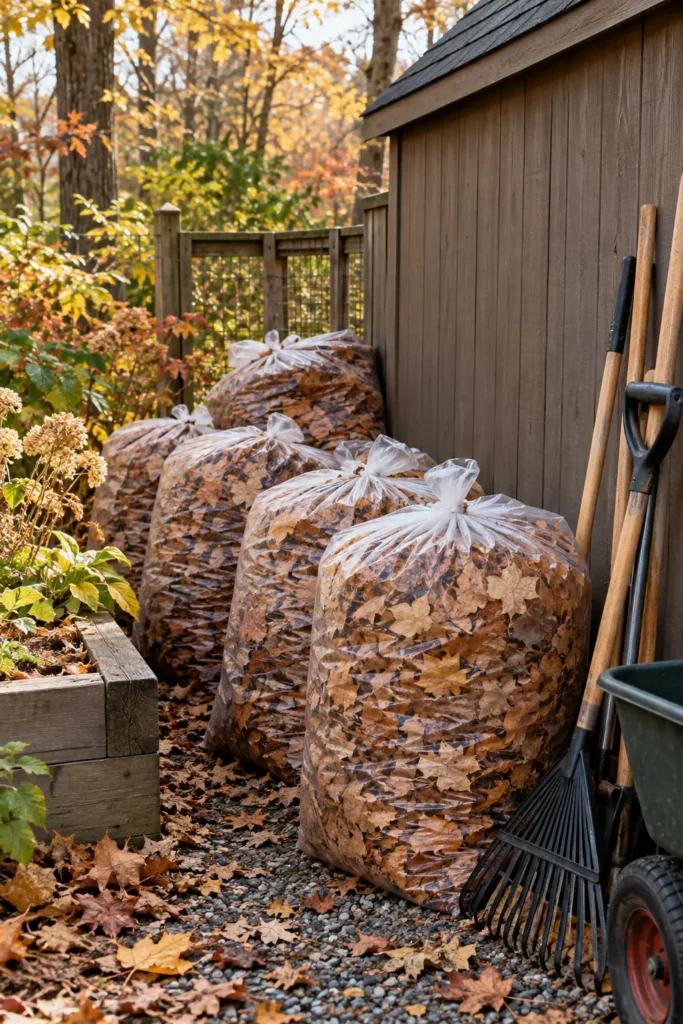
Leaves are only free in fall, so I save a lot of them. I fill big bags with dry leaves and store them behind the shed. In summer, I use them as a brown layer for compost or as quick mulch.
It is one of the cleverest ways to use fall leaves in the garden all year long. Keep the bags dry and away from rain.
30. Leaf Print Stepping Stones
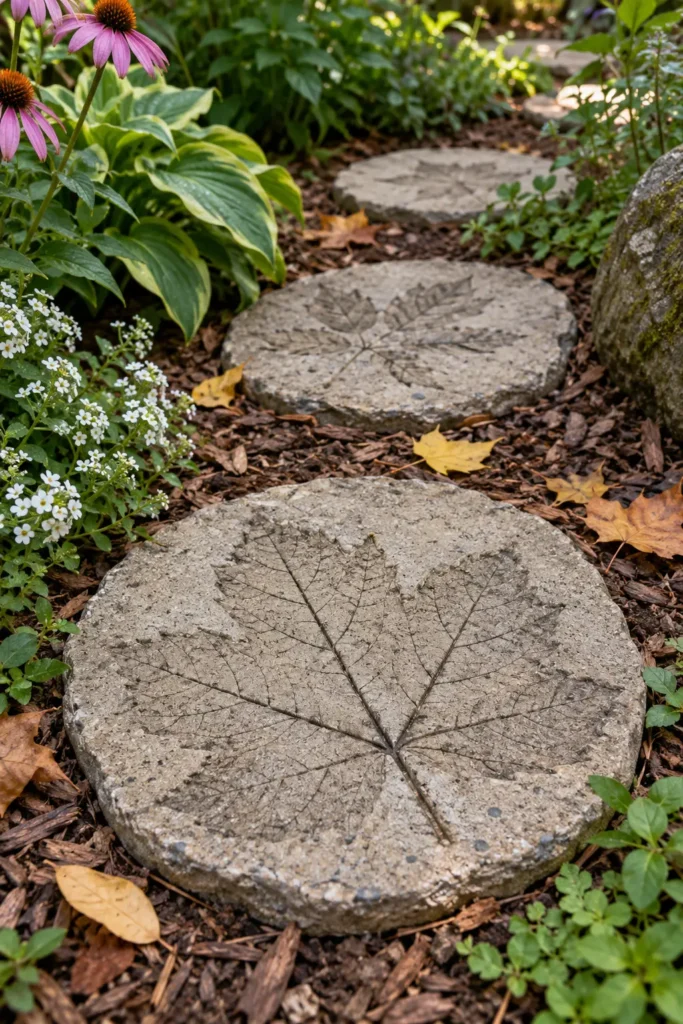
Want something lasting from your leaves? Make a stepping stone: quick-setting concrete and pour it into a shallow pan. Press a large clean leaf into the top with the veins facing down.
Let it dry for two days, then peel the leaf away. You get a beautiful print that lasts for years. Kids love helping too. Place it in your garden path as a lovely keepsake.
Conclusion: Ways To Use Fall Leaves In The Garden
We walked through so much together, and I hope your rake feels lighter now. You do not need to try all 30 ideas at once.
Pick two or three ways to use fall leaves in the garden and start this weekend. Small steps build healthy soil and happy plants.
Keep this list handy and return whenever you need a fresh idea. Your garden will thank you for trying these ways to use fall leaves in the garden. Happy raking, everyone!
FAQs About Ways To Use Fall Leaves In The Garden
1. How to use fall leaves in the garden when I have only a small yard?
Start with the simplest ways to use fall leaves in the garden, like mulching your beds and topping your pots. Shred the leaves first with a mower and keep extra bags dry for compost later.
2. What to do with fall leaves if I do not want to compost them?
You can mulch beds or pack them around tender plants or leave a pile for wildlife. Mowing them into the lawn is also easy. These ways to use fall leaves in the garden need no compost bin at all.
3. Is using leaves as garden mulch safe for all plants,s and which leaves should I avoid?
Most leaves are safe when shredded. Go easy with walnut leaves because they can harm some plants. Whole maple and oak leaves can mat down,n so shred them first. Keep leaf mulch a little away from stems and trunks.
🌿 Want More Garden Ideas That Actually Help?
Discover more seasonal gardening inspiration, clever planting tips, and practical ideas to make your outdoor space thrive.


