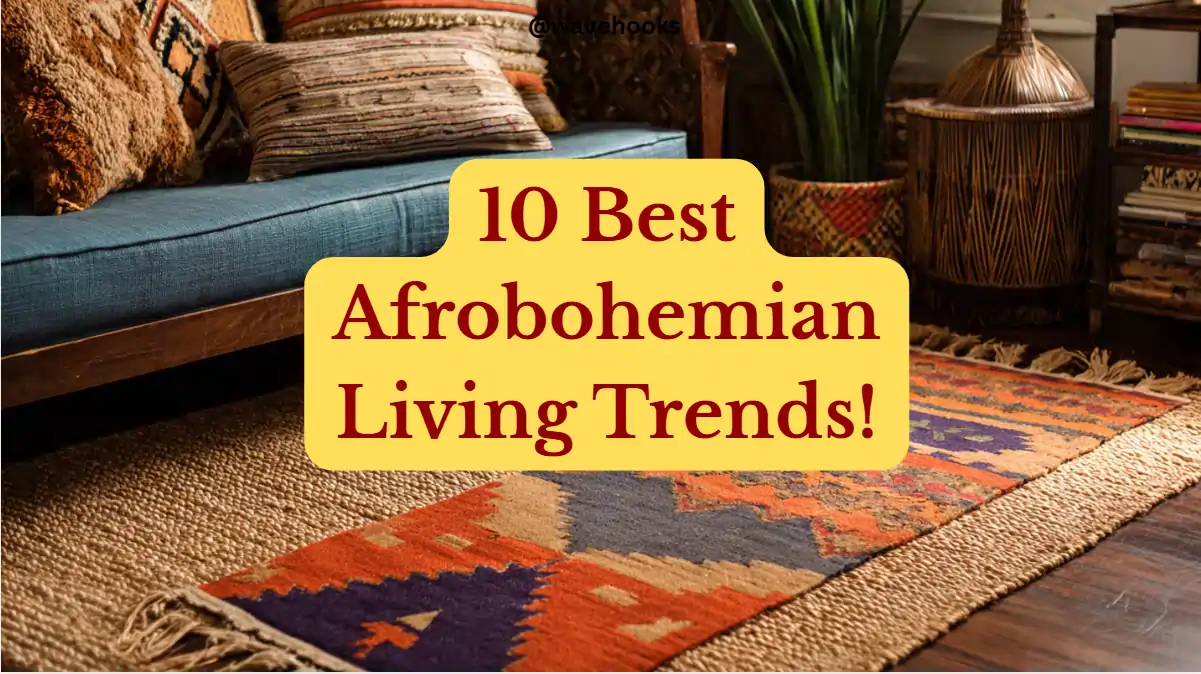
If you’ve ever walked into a room and felt an instant sense of peace, it wasn’t just because of the furniture. It was the energy.
By 2026, we’ll have moved past the museum look of modern design and welcomed Afrobohemian living, a style that feels like a warm hug.
Whether you’re a design pro or just trying to make your apartment feel more human, these 7 layering secrets will change how you see your space.
This isn’t about buying a bunch of stuff. It’s about the art of layering. Stick with me, we’re about to turn your home into a masterpiece.
The Evolution of Afrobohemian Living: Why 2026 is the Year of Afrochic
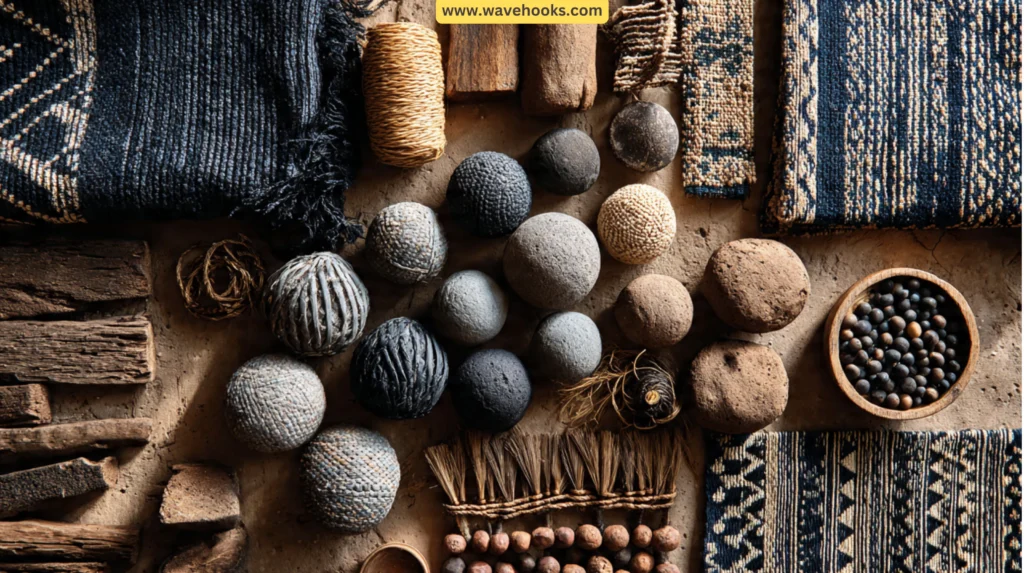
As we move through 2026, the global design community has adopted “Slow Decor.” This prioritizes items that tell a story of the hands that made them.
Afrobohemian living is the best choice as it moves from tribal print cliches of the early 2000s to regional heritages, such as Yoruba weaving techniques.
In the growth of the digital world, we yearn for the sensory experience of rough-hewn wood, the cool touch of hand-coiled clay, and the visual depth of indigo textiles.
By focusing on texture rather than just pattern, you create a home that appeals to the sense of touch as much as the sense of sight.
The Afrochic Foundation: Mixing Ancestral Heritage with Modern Minimalism
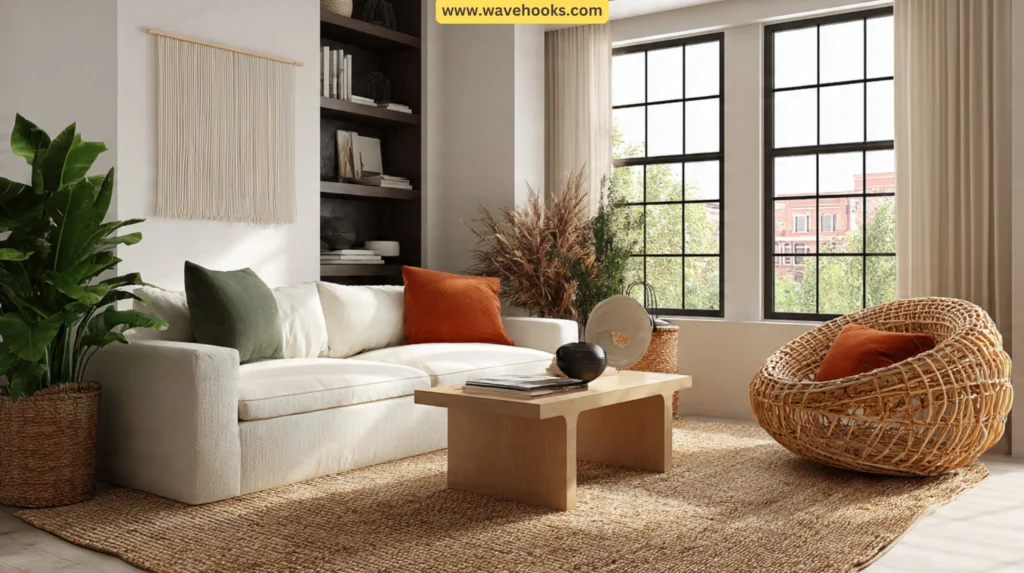
To master Afrobohemian living, one must understand the balance between the Raw and the Refined. 2026 trends show a move to Minimalist Maximalism.
This means you have a space filled with rich textures, but they must be unified by story, generally earth tones like terracotta, burnt sulphur, and deep forest green.
The foundation of any Afrochic space is the Anchor Piece. This is usually a large-scale textured item.
A sofa upholstered in neutral linen, a large jute rug, or a statement rattan chair. From this anchor, we begin the process of layering.
Also Read: 20 Brilliant Hacks: How To Make A Patio Garden On A Budget!
7 Expert Ways to Layer Textures for Authentic Afrobohemian Living
The following seven strategies are designed to help you build a space that feels layered over time, rather than bought from a showroom.
1. Mastering the Rattan Chair and Natural Woven Fibers
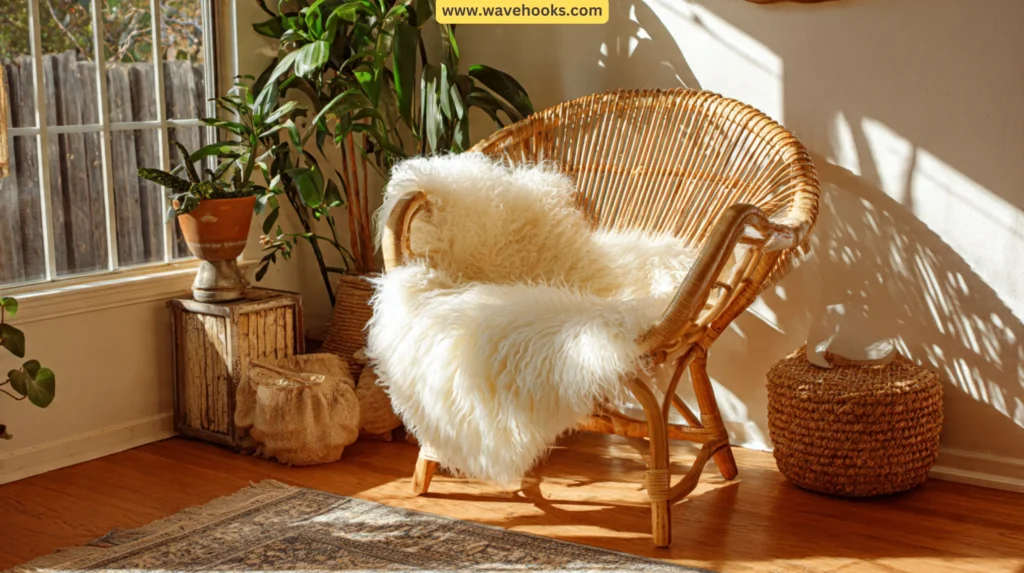
The rattan chair is like a piece of the outdoors brought inside. It is made from strong, woody vines woven into beautiful shapes.
To make it perfect for Afrobohemian living, you should balance the hardwood with soft. It is a simple way to make your home feel natural and welcoming.
Try putting a fuzzy blanket or a soft sheepskin rug on the seat. This makes the chair feel extra cozy for reading or relaxing.
2. Integrating Heritage Nigerian Textiles: The Art of Adire and Aso-Oke
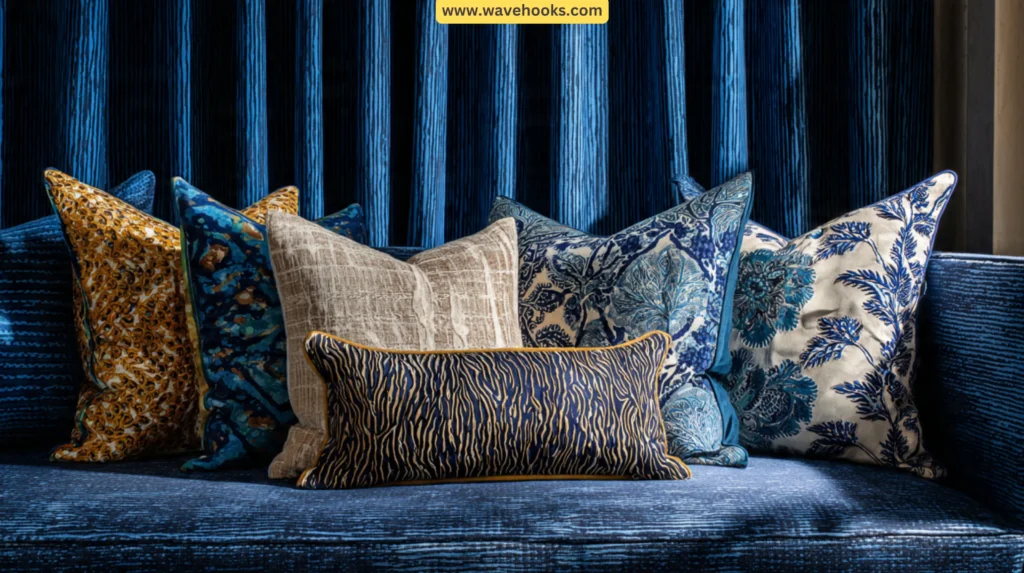
Nigerian textiles are special cloths made by hand that tell a story. Basically, the famous ones are Adire and Aso-Oke.
Adire is a soft, blue fabric that feels smooth, while Aso-Oke is a thick, strong cloth used for big celebrations.
You can layer them by using the light Adire for window curtains and the heavy Aso-Oke for sofa pillows.
Mixing these different weights makes your room look interesting. It is a wonderful way to bring color and history into your home decor today.
Also Read: How Does Rustic Wood Home Decor Create A Cozy Atmosphere?
3. Building Depth with Earth-Toned Mud Cloth (Bogolanfini)
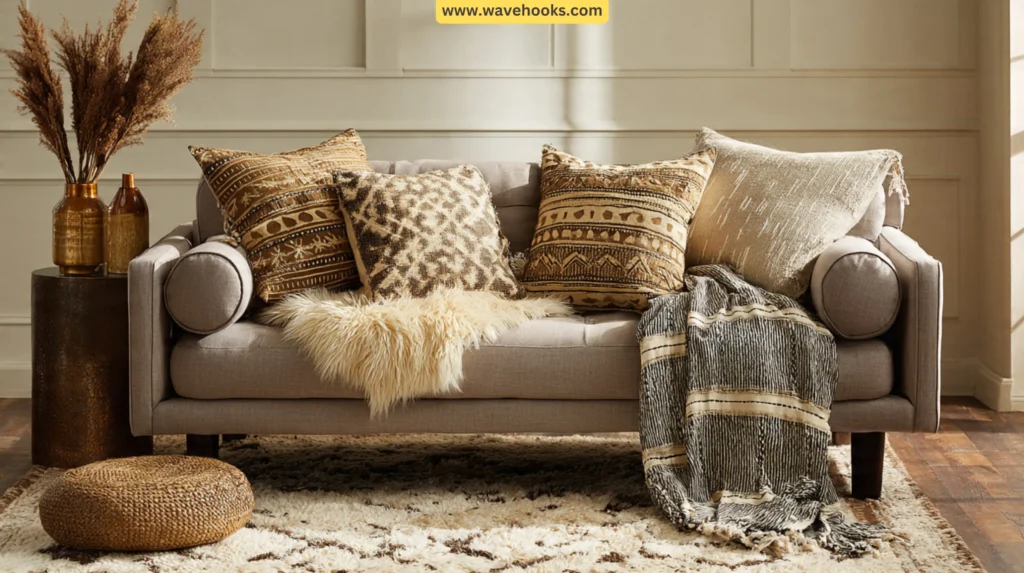
Mud cloth is a famous fabric from Mali that creates patterns like zig-zags and dots. It uses natural dyes, and it has a chalky feel that is very calming.
Layering these earth tones on a plain couch helps hide messy spots while making the room feel sturdy.
These fabrics are great for families because they are tough and beautiful. They make your home feel connected to nature and very peaceful for everyone living there.
4. Incorporating Raw Mineral Finishes and Hand-Coiled Clay
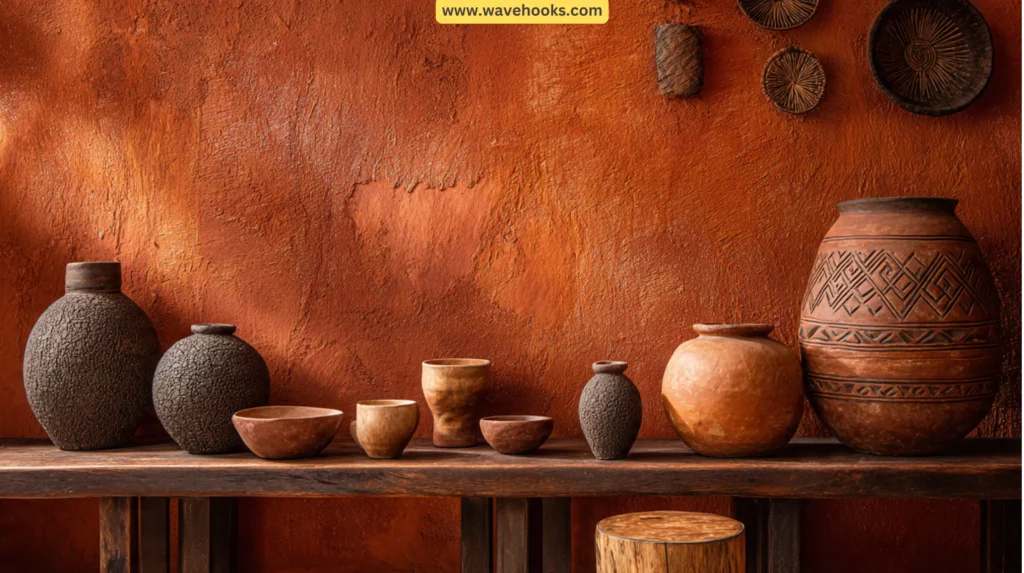
You can make your walls feel special by using paints that look like soft clay. Instead of being shiny and cold, these walls feel warm and dusty like a big crayon.
Pair these walls with handmade clay pots. You can see the finger marks from the artist who made them, which adds a lovely handmade feeling to the room.
This makes your home feel relaxed and friendly, almost like a cozy house made of warm, red earth.
5. Forging Contrast with Bronze, Brass, and Hand-Beaten Metals
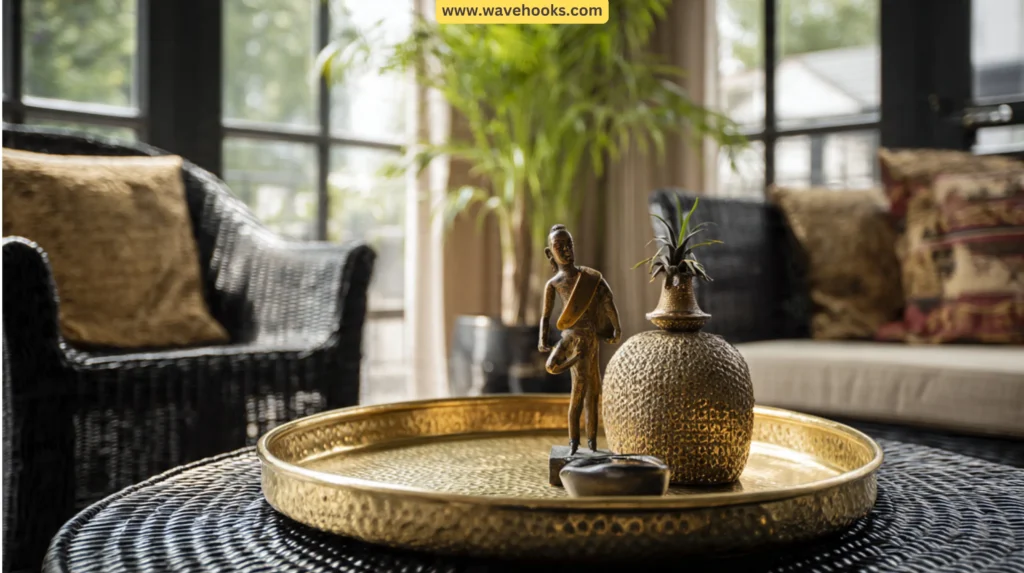
Think of metals like bronze and brass as jewelry for your house. Adding a shiny metal tray or a dark bronze statue provides a nice look with all the soft fabrics.
Placing a cool metal table next to a warm rattan chair creates a balanced look that is very stylish.
It is best to use metals that look a little bit old and weathered. This adds a bit of sparkle and makes the room feel very special.
Also Read: 21 Best Home Scent Layering Hacks For A 5-Star Hotel Vibe!
6. Biophilic Soul: Sculptural African Greenery in Raffia Vessels
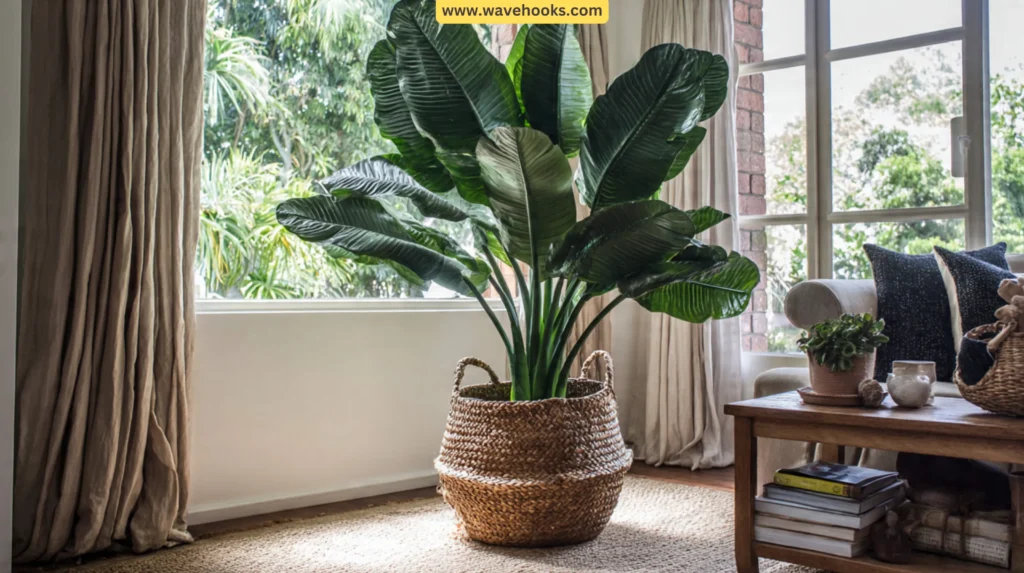
Plants are the best part of your home that help everyone breathe better. To keep the look authentic, put your plants inside baskets made of dried raffia grass.
The basket’s dry, hairy texture looks great next to the plant’s smooth, green leaves.
This is a great way to bring a little bit of nature inside. It makes any corner of your house feel like a happy, fresh garden that the whole family enjoys.
7. The Layered Floor-Scape: Pairing Jute with Geometric Kilim
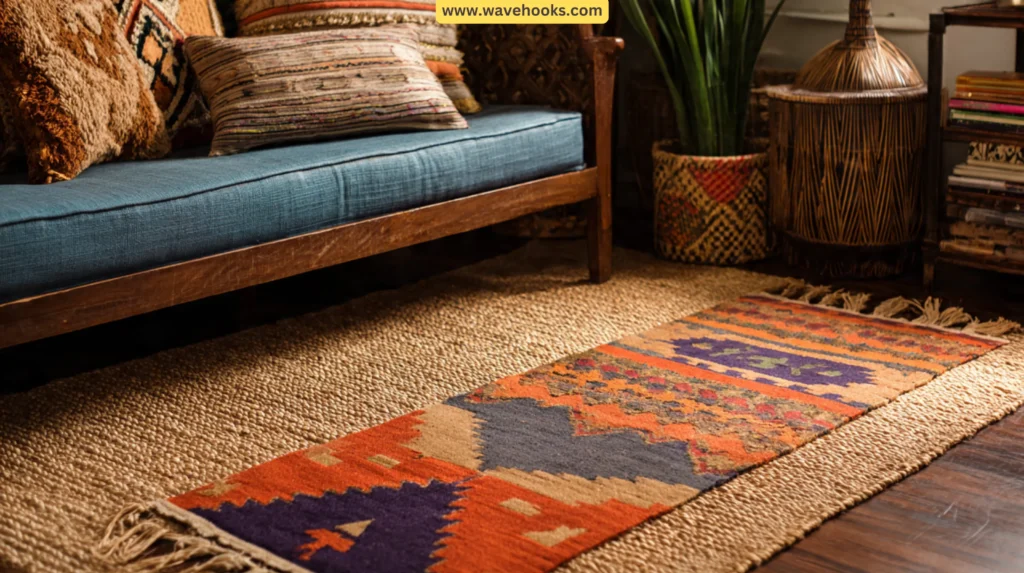
Layering rugs is like making a sandwich for your floor! Start with a big, tough Jute rug on the bottom because it can handle people walking on it.
Then, put a smaller, colorful rug on top. This makes the floor feel extra soft and warm for kids playing or adults resting.
Using these different earth tones on the floor ties the whole room together and makes every step you take feel soft and very comfortable.
Sculptural Ancestry: The Role of Ethiopian Art and West African Figurines
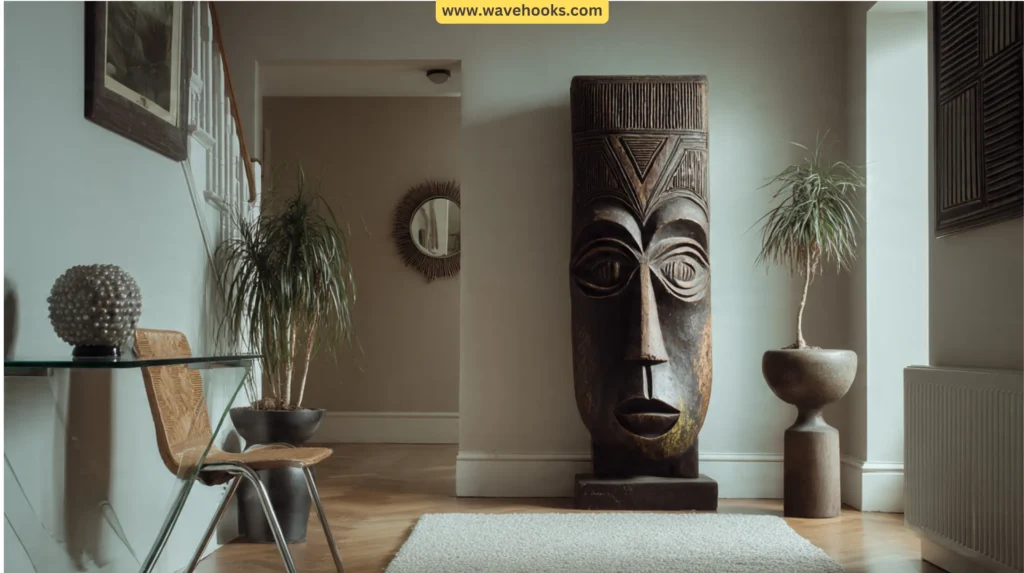
In 2026, the Afrobohemian look has moved from “wall fillers” to sculptural storytelling. To truly layer a room, you need height and silhouette.
These are not just religious symbols in a 2026 Afrochic home. They serve as geometric pieces of metalwork that add a “Neo-Deco” silver or brass glint to the wall.
The Power of the Silhouette: Use hand-carved ebony or mahogany figurines from the Benin Kingdom. Place them on a minimalist glass table.
The contrast between the dark, ancient wood and the cold, modern glass is the hallmark of the “Refined Afrobohemian.”
Don’t clutter. One large, floor-standing sculpture in a corner is more powerful than five small ones on a shelf. It creates a “silent anchor” for the eyes.
Advanced Lighting: The Glow of Raffia and Hand-Beaten Copper
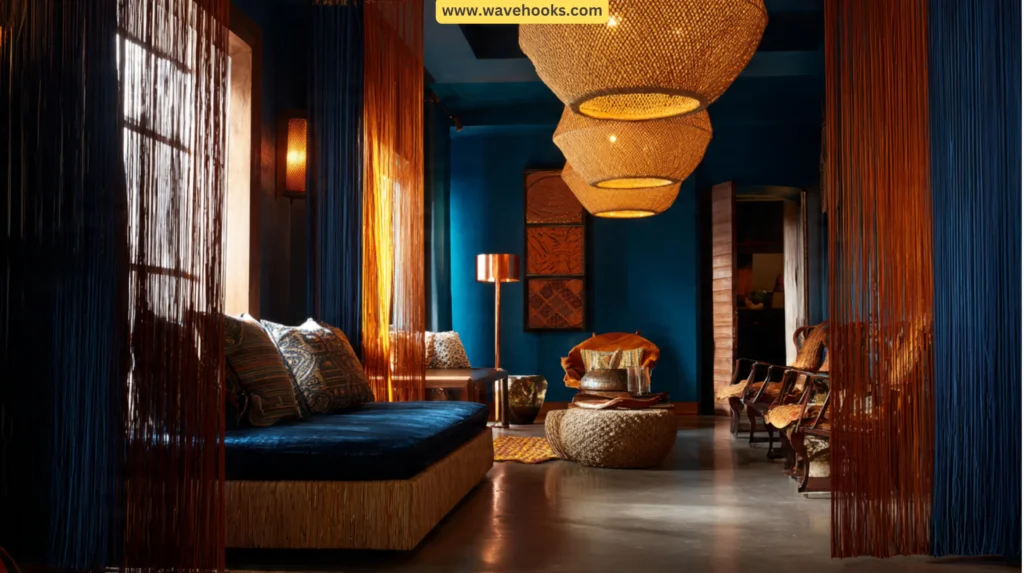
In an Afrobohemian home, “hospital lighting” like bright white overheads is the enemy. By 2026, we will be using Biophilic Lighting Design.
Replace plastic shades with big Raffia or Bamboo pendants. When the light shines through the woven fibers, it casts “jungle shadows” on your walls.
This adds a layer of texture that costs zero to maintain. Place a hand-beaten copper floor lamp next to your indigo-dyed curtains.
Copper reflects a warm, orange-toned light that makes the deep blue of the Adire fabric look almost electric.
Use “Warm-to-Dim” LED bulbs. As the sun sets, your lights should shift from a sun-bleached ochre to a deep, firelight orange.
Also Read: 15 Brilliant Ways To Clean A Wool Area Rug At Home Better!
The 2026 Afrochic Color Palette: Beyond Basic Earth Tones
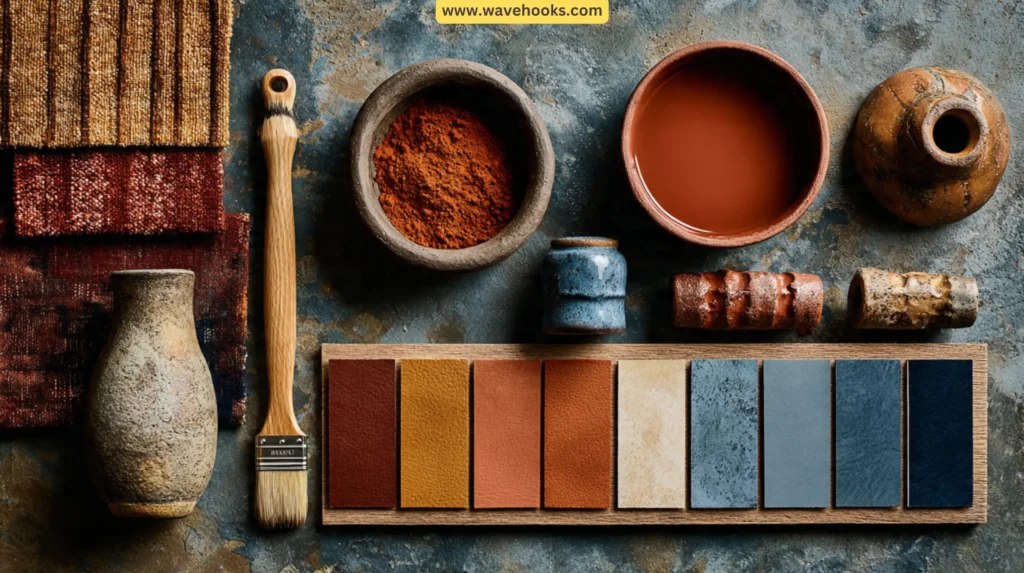
In 2026, Afrobohemian living is moving above brown and beige. We are now adding deeper, more exciting colors that feel like a sunset or a deep ocean.
- Terracotta Clay: This is a warm, reddish-orange color. It feels like a sun-baked brick and makes a room feel very cozy and safe.
- Deep Indigo: This is a very dark blue from Nigerian textiles. It adds a bit of mystery and looks very elegant next to light wood.
- Charred Cedar: This is almost black but with a hint of brown. It is perfect for a rattan chair to make it look modern and sleek.
- Sun-Bleached Ochre: This is a golden-yellow, like the grass on a dry afternoon. It brings sunshine into the room even on cloudy days.
A Simple Tip for Families: Use the 80/20 rule. Keep 80% of the room in quiet earth tones like sand and clay, and use the other 20% for pops of bright blue or gold to keep the room looking happy and full of life.
Also Read: 30+ Pink Balcony Decorating Ideas You’ll Fall In Love With!
Sourcing with Soul: How to Find Real Nigerian Textiles and Rattan
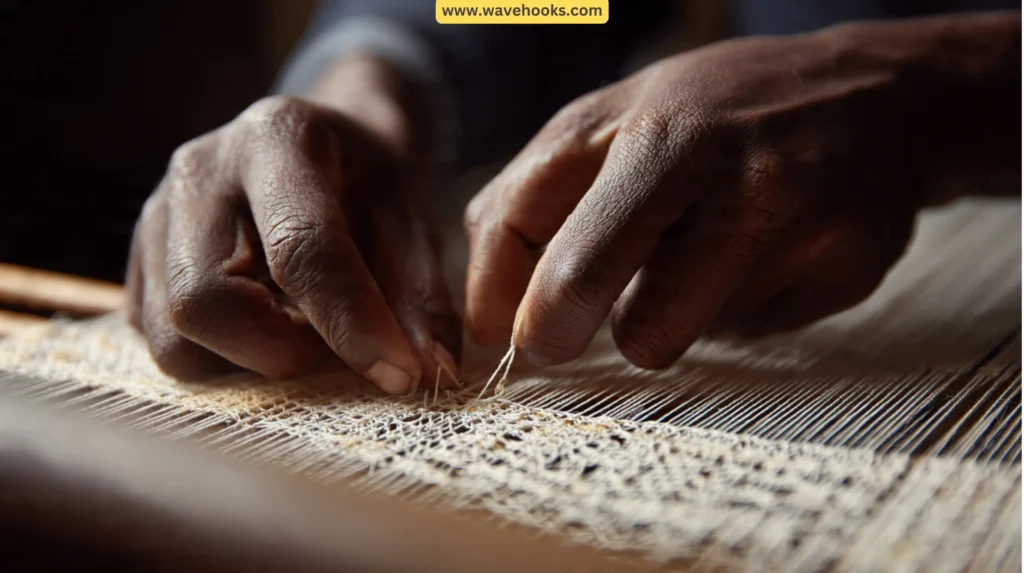
When you are decorating your home, it is important to know where your things come from.
In 2026, we care about Slow Decor buying things that are made fairly by real people. Here are some ways:
1. Check the Weave
When buying Nigerian textiles like Aso-Oke, look at the back. Real handmade cloth usually has small, narrow strips sewn together.
If the fabric looks too perfect or like it was printed by a machine, it might be a copy. Buying real cloth helps support the families in Africa.
2. Feel the Weight
A good rattan chair should feel solid and a little heavy. If it feels like light plastic, it won’t last very long.
Real rattan is a vine that grows very strongly. It might have little bumps or color changes, which is a good thing! It means it is a real piece of nature.
3. Ask the Story
Try to buy from shops that can tell you the name of the artist or the village where the item was made.
This makes your home more than just a place to sleep, as it becomes a library of stories from around the world.
Also Read: 10 Stylish and Budget-Friendly Linen Crafts for Home Decor!
Why Afrobohemian living is the Future of Sustainability
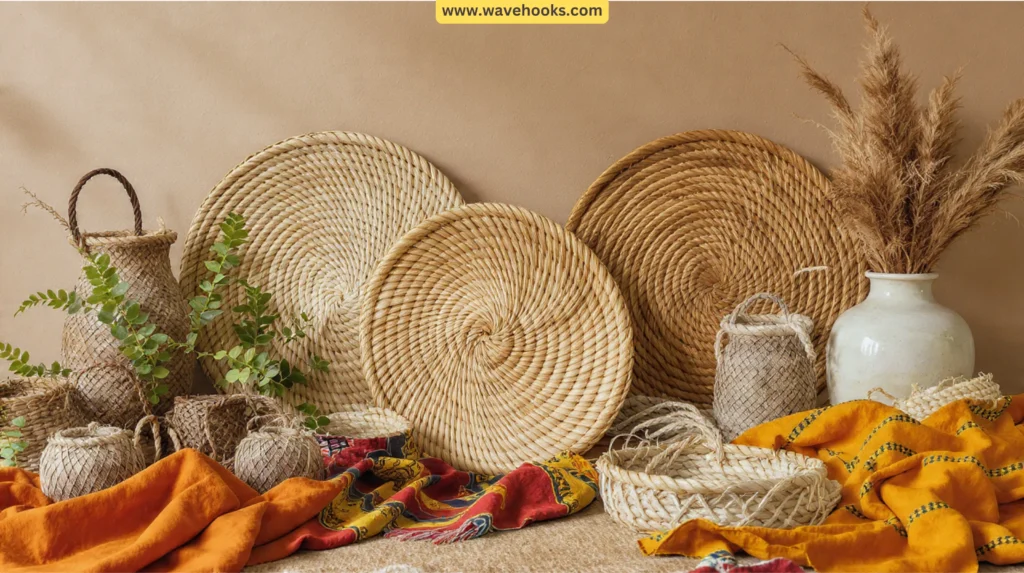
To rank high, you must address sustainability. 2026 is the year of “Carbon-Neutral Interiors.”
Now preference has been shifted to biodegradable Beauty. Unlike polyester or plastic furniture, Rattan, Jute, and Raffia are entirely biodegradable.
So, if you are choosing Afrochic, you are choosing a “Circular Economy.” Buying real Abeokuta or Bogolanfini from Mali isn’t just a style choice, but it’s an ethical one.
It supports “Slow Fashion” for the home, which reduces the carbon footprint caused by mass-ready-made”Fast Fashion.”
Also Read: 30 Best Vision Board Ideas For 2026 To Change Your Life!
Longevity and Care: Keeping Your Afrochic Home Beautiful
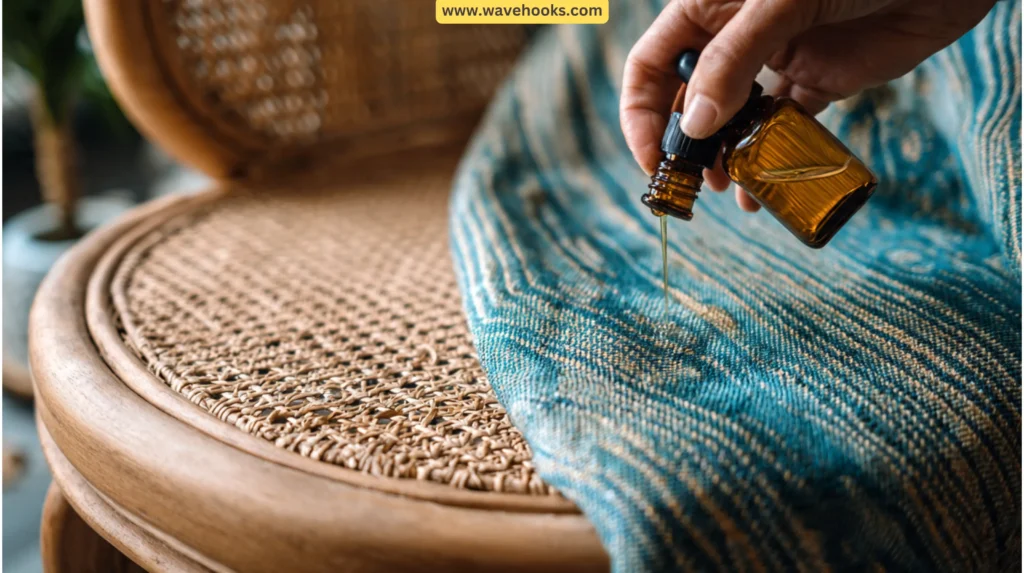
Natural materials are like living things. They need a little bit of love to stay beautiful for a long time. Here are tips you can follow:
1. Caring for Fabrics: For indigo-dyed Adire, try to keep it away from very bright windows, as the sun can eat the color over time. If it gets dirty, wash it gently by hand in cool water with a tiny bit of soap.
2. Caring for Wood and Rattan: If your rattan chair starts to feel very dry, you can wipe it with a soft cloth and a tiny drop of natural oil. This keeps the wood from cracking and keeps it shiny and happy.
3. Caring for Rugs: For your layered rugs, give them a good shake outside once a month. This gets rid of the dust that vacuums sometimes miss and keeps the fibers bouncy.
Also Read: 25 Stylish Ideas On How To Mix Fabric Patterns In A Room!
The 2026 “Scent-Scape”: Scent Stacking for an Afrobohemian Living Atmosphere
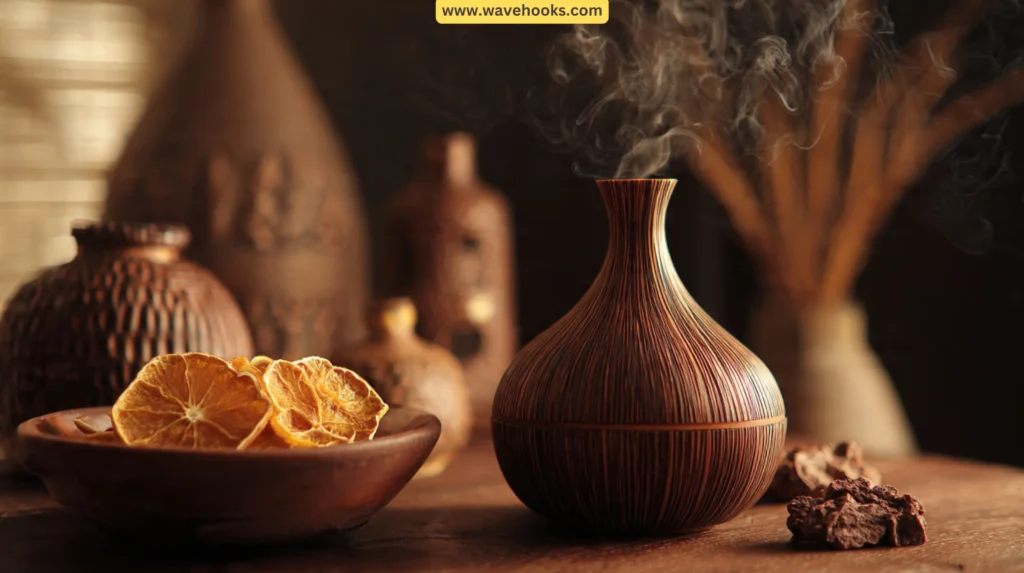
One of the biggest trends for 2026 is Scent Stacking. To make your apartment feel natural, it must smell like the earth.
Use a diffuser with Sandalwood or Oud. These heavy, woody scents simulate the smell of an African forest or a traditional workshop. Stack this with Frankincense or Myrrh.
These resins have been used for centuries in East African ceremonies. They add a “clerical” or “sacred” vibe to your living room, making it feel like a sanctuary.
Place dried orange peels and cinnamon sticks in a hand-coiled clay bowl. It acts as a natural potpourri that matches your terracotta color palette.
Also Read: 25 DIY Blends How To Make Your Home Smell Like The Holidays!
Conclusion: Afrobohemian Living Trends
Mastering Afrobohemian living is about more than just buying nice things.
It is about creating a home that feels warm, smells like nature, and shows respect for beautiful cultures.
By layering with the soft history of Nigerian textiles, you are building a space where every family member, from the youngest to oldest, feels peaceful at home.
Remember, you don’t have to change everything at once. Start with one beautiful mud cloth pillow or one big green plant in a basket.
Let your home grow slowly, layer by layer, until it feels just like you.
Also Read: 24 Unique Tips On How To Decorate A Small Bathroom Counter!
Frequently Asked Questions about Afrobohemian Living
1. What makes Afrochic decor different from standard Bohemian styles?
Afrochic is more intentional than basic Boho. While Bohemian style is broadly eclectic, Afrochic focuses specifically on African craftsmanship, using heritage Nigerian textiles and sculptural earth tones to create a sophisticated, soulful home.
2. Is a rattan chair sturdy enough for a busy family living room?
Yes! Real rattan chair frames are made from solid, flexible vines that handle daily use beautifully. They are lightweight but strong, making them a perfect, durable choice for kids and adults alike.
3. How do I start an Afrobohemian Living on a small budget?
Start small by layering textures. Add one mud cloth pillow to your sofa or place a leafy plant in a woven basket. These simple earth tones instantly create a warm, Afrochic vibe.
Also Read: 25 Colorful Ideas For Bathroom Walls Instead Of Paint!