
Every single time, I used to dread cleaning my ceiling fan because I’d end up with dust raining on my head or my freshly made bed.
It was frustrating, messy, and made me want to avoid the task for as many days as possible. That is not a solution, right?
But here’s what I’ve understood: learning how to clean a ceiling fan without dust falling doesn’t have to be a disaster.
After years of trial and error, I’ve discovered simple methods that actually work, and I’m excited to share them with you today.
Whether you’re dealing with a lightly dusty fan or one that hasn’t been touched in years, these techniques will help you clean it quickly and efficiently.
Why Ceiling Fans Get So Dusty And Why It Matters
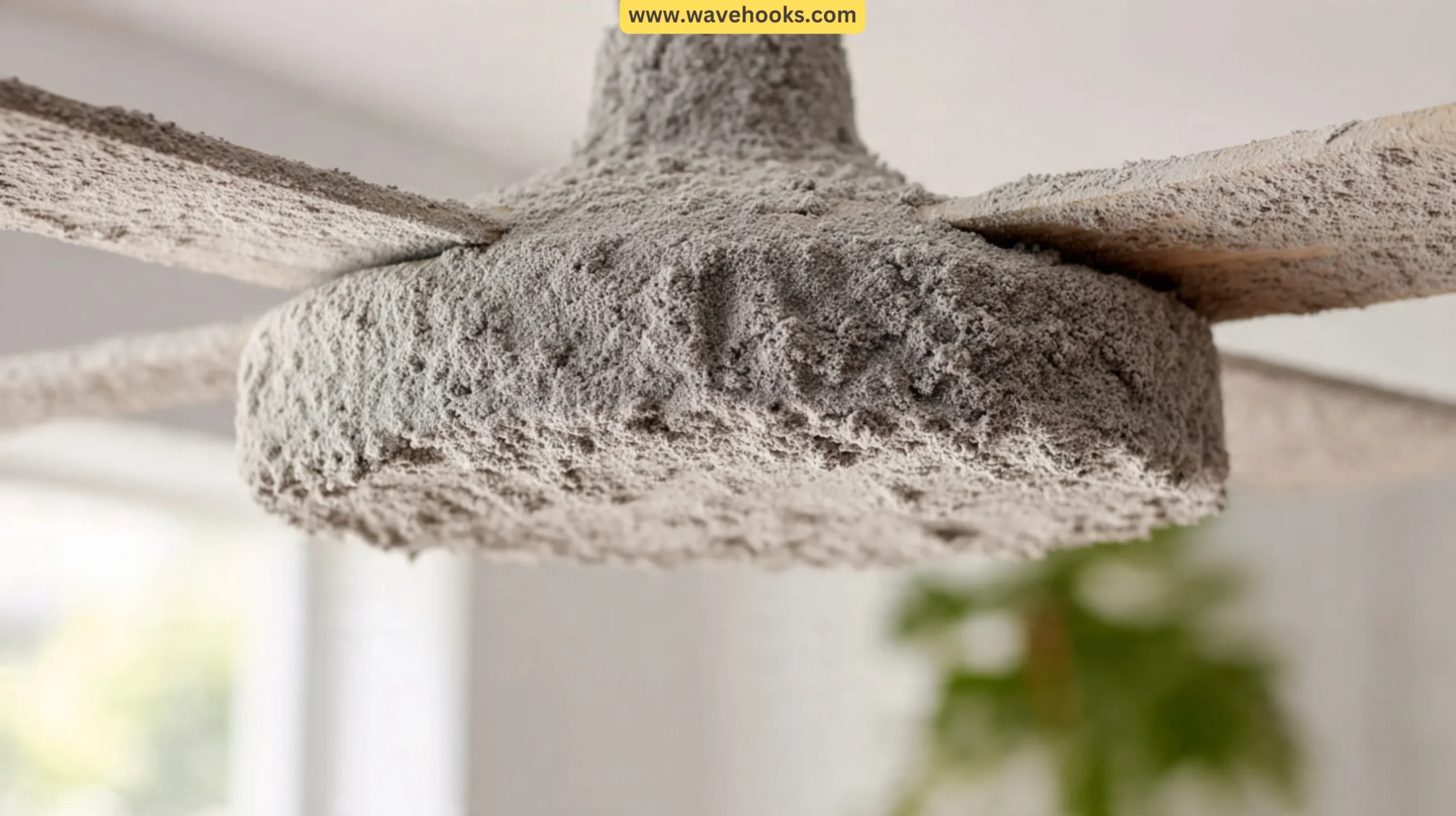
Have you ever wondered why your ceiling fan attracts dust like a magnet? As your fan spins, it creates air that pulls dust particles toward the blades.
The static electricity generated by the spinning motion makes dust cling even more stubbornly to the surface.
It will constantly move air around your room, pull dust from pets, clothing fibers, outdoor pollutants, and everyday activities.
The blades act like dust collectors because they’re up high where we can’t easily see them, and the buildup happens faster than we realize.
Understanding this helps us understand why regular cleaning isn’t just about appearance, but it’s about keeping the air cleaner and healthier.
What Happens When You Ignore Ceiling Fan Dust
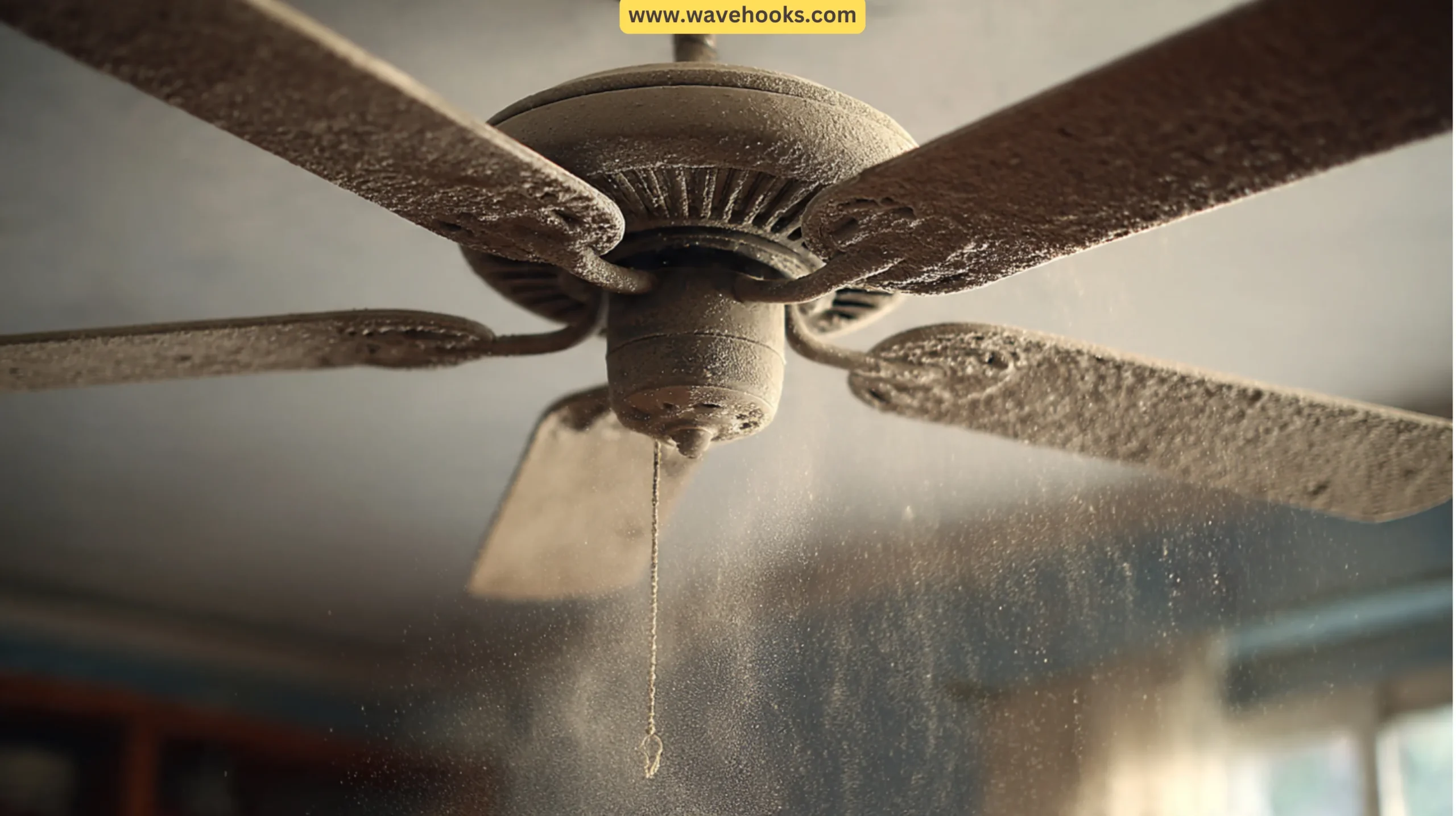
Let me tell you what happens when you put off cleaning your ceiling fan, because I’ve been there myself.
First, that dust buildup doesn’t just sit there quietly. Every time you turn on your fan, it circulates those dust particles throughout your room.
If you or anyone in your family has allergies or asthma, this can trigger sneezing, coughing, and breathing difficulties.
Second, a dusty fan simply doesn’t work as efficiently. The added weight and roughness on the blades disrupts airflow.
For this reason fan has to work harder while cooling your room less effectively. This actually increases your energy bills over time.
Third, accumulated dust can damage your fan’s motor, leading to wobbling, noise, and potentially costly repairs.
I learned this when I ignored one fan for too long and had to replace it entirely. Trust me, regular cleaning is easier and cheaper than dealing with these problems.
Essential Tools And Materials For Dust-Free Fan Cleaning
Before you start learning how to clean a ceiling fan without dust falling, let me share the tools that have made my life so much easier.
Having the right equipment makes all the difference between a frustrating mess and a quick, satisfying job.
1. Microfiber Cloths And Dusters

Microfiber is your best friend. I always keep microfiber cloths on hand because they attract and hold dust rather than push it around.
They trap particles in their tiny fibers, preventing them from falling. I recommend three: one for initial dusting, one for wiping, and a clean one for final touches.
2. Pillowcases For Mess-Free Cleaning

This might sound strange, but an old pillowcase is the secret weapon I wish I’d known about years ago.
You slide it over each blade, and the dust stays trapped inside as you wipe. It’s inexpensive, but trust me, once you try it, you’ll never go back.
3. Extension Poles And Step Ladders

Safety comes first, always. For standard ceiling fans, a sturdy step ladder usually works perfectly.
I prefer a ladder over standing on chairs because it’s much more stable and secure. For higher fans, an extension pole with a duster attachment is essential.
4. Vacuum Attachments
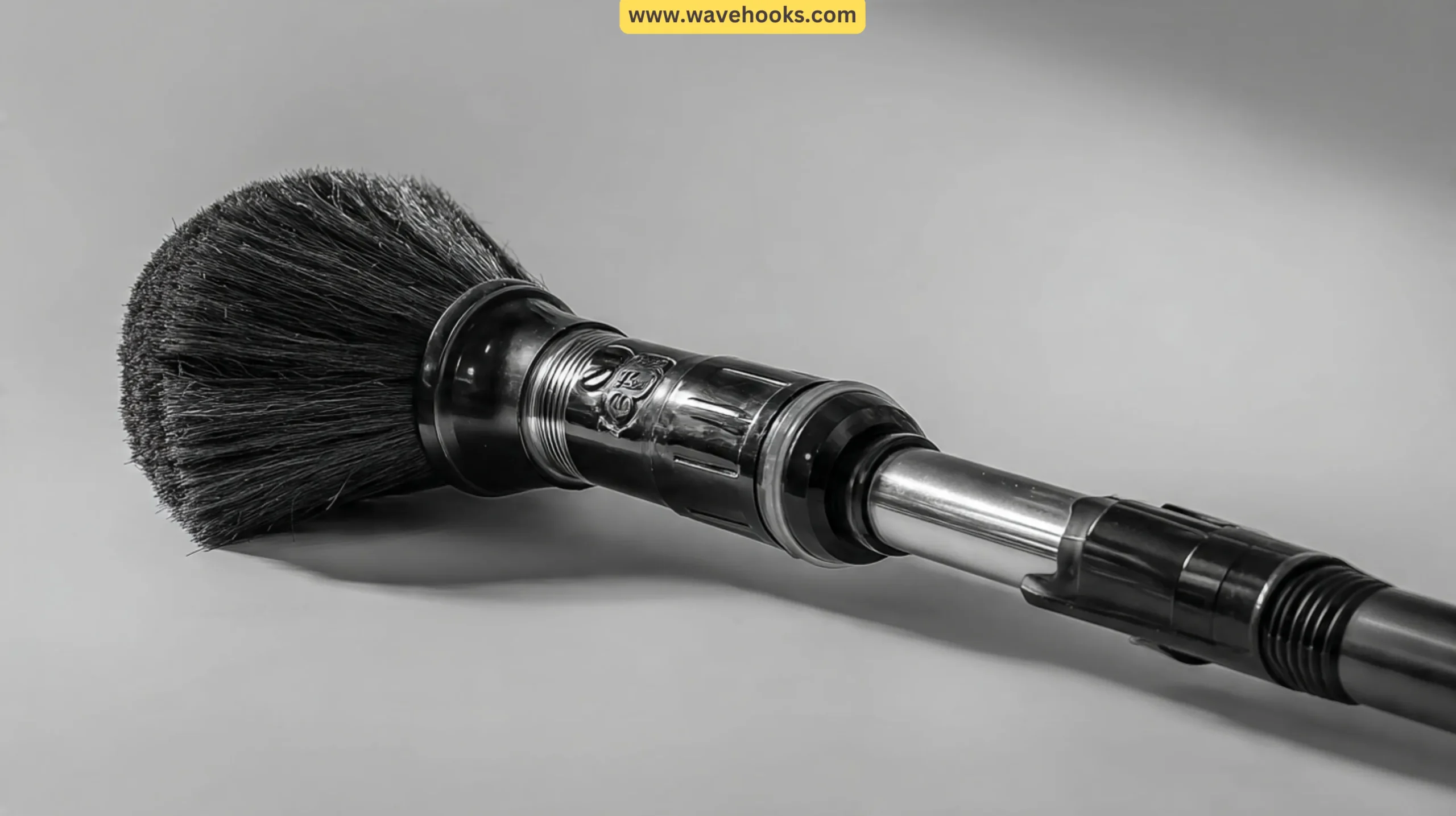
A vacuum cleaner with a soft brush attachment is perfect for ceiling fans. I attach mine to the hose and use it to vacuum the blades before wiping them.
This removes loose dust before it has a chance to fall. If you don’t have a brush attachment, they’re inexpensive to purchase separately.
Also Read: How To Clean Sofa At Home Without A Vacuum Cleaner Easily?
5. Cleaning Solutions
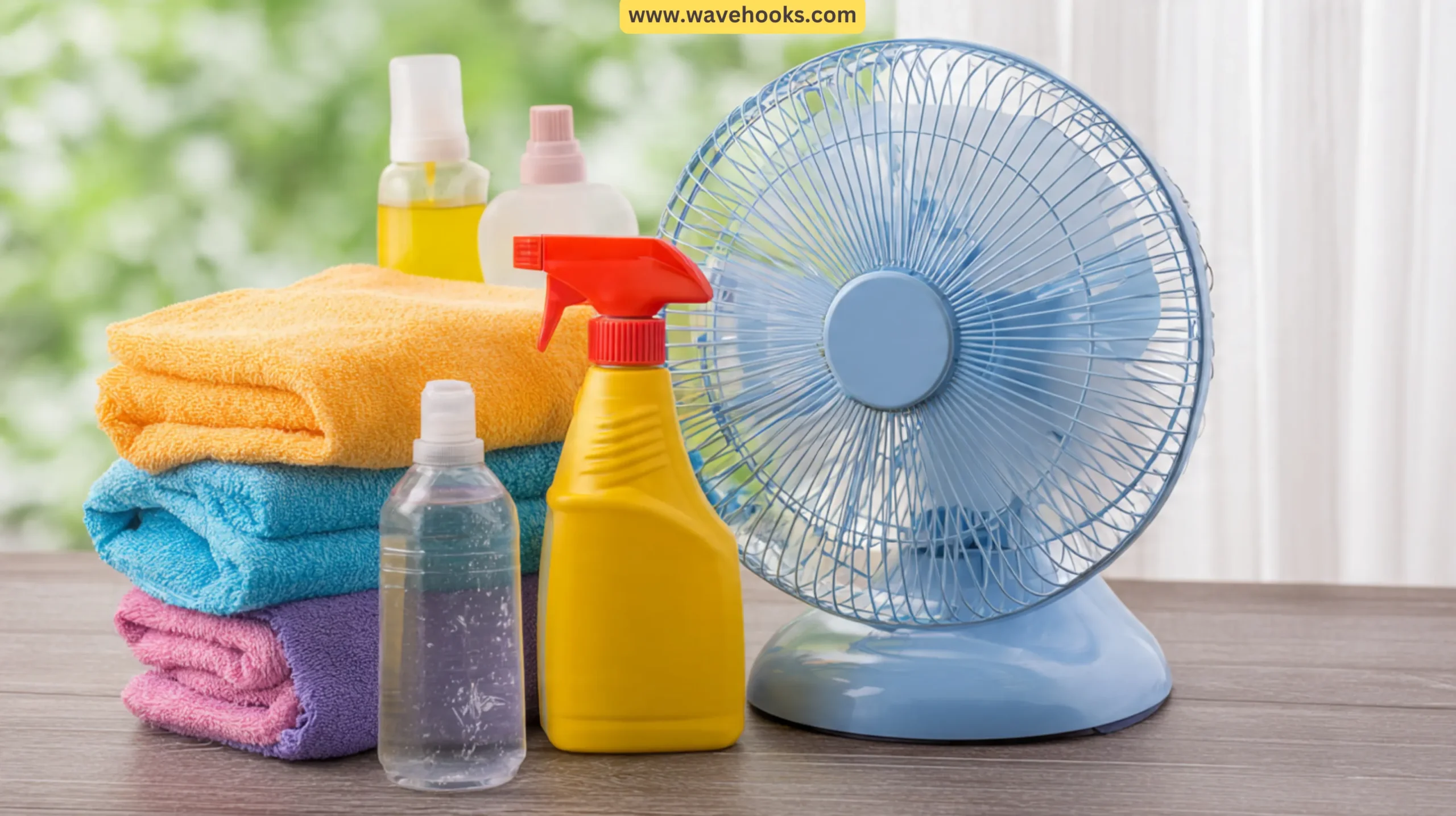
For routine cleaning, plain water or just a dry cloth works fine. However, when your fan has sticky grime, you need a cleaning solution.
Usually, I mix a simple solution of warm water with a few drops of dish soap. Some people also add a small amount of fabric softener to help repel future dust.
Just make sure whatever solution you use isn’t too wet. You want damp cloths, not dripping ones, to avoid moisture getting into the motor.
How To Prepare Your Room Before Cleaning

Preparation might look like extra work, but I promise it saves you time and frustration in the long run. Here’s what I always do before touching my ceiling fan.
1. Cover Furniture and Floors
Even with the best techniques on how to clean a ceiling fan without dust falling, some dust might escape. I used to throw old sheets or towels over my bed. It takes thirty seconds and saves me from having to clean everything twice. For hardwood or tile floors, I don’t usually bother covering them since they’re easy to sweep or vacuum, but carpets benefit from a protective layer.
2. Turn Off The Fan And Let It Stop Completely
This seems simple, but it’s crucial for safety. I turn off the not just with the pull chain or remote. Then I wait until the blades stop spinning completely before I climb up. I once made the mistake of being impatient, and let me tell you, reaching toward moving blades is dangerous and scary. Give it a full minute to stop.
3. Place Your Ladder Safely
Place your ladder on level, stable ground directly under the fan. I always make sure all four legs are firmly planted, and the ladder doesn’t wobble at all before climbing. If you’re alone, tell someone in the house what you’re doing, or at least keep your phone nearby. It might seem over-cautious, but safety should never be compromised for convenience.
Also Read: How To Clean Refrigerator Coils Without A Brush FAST!
How to Clean a Ceiling Fan Without Dust Falling with the Pillowcase Method
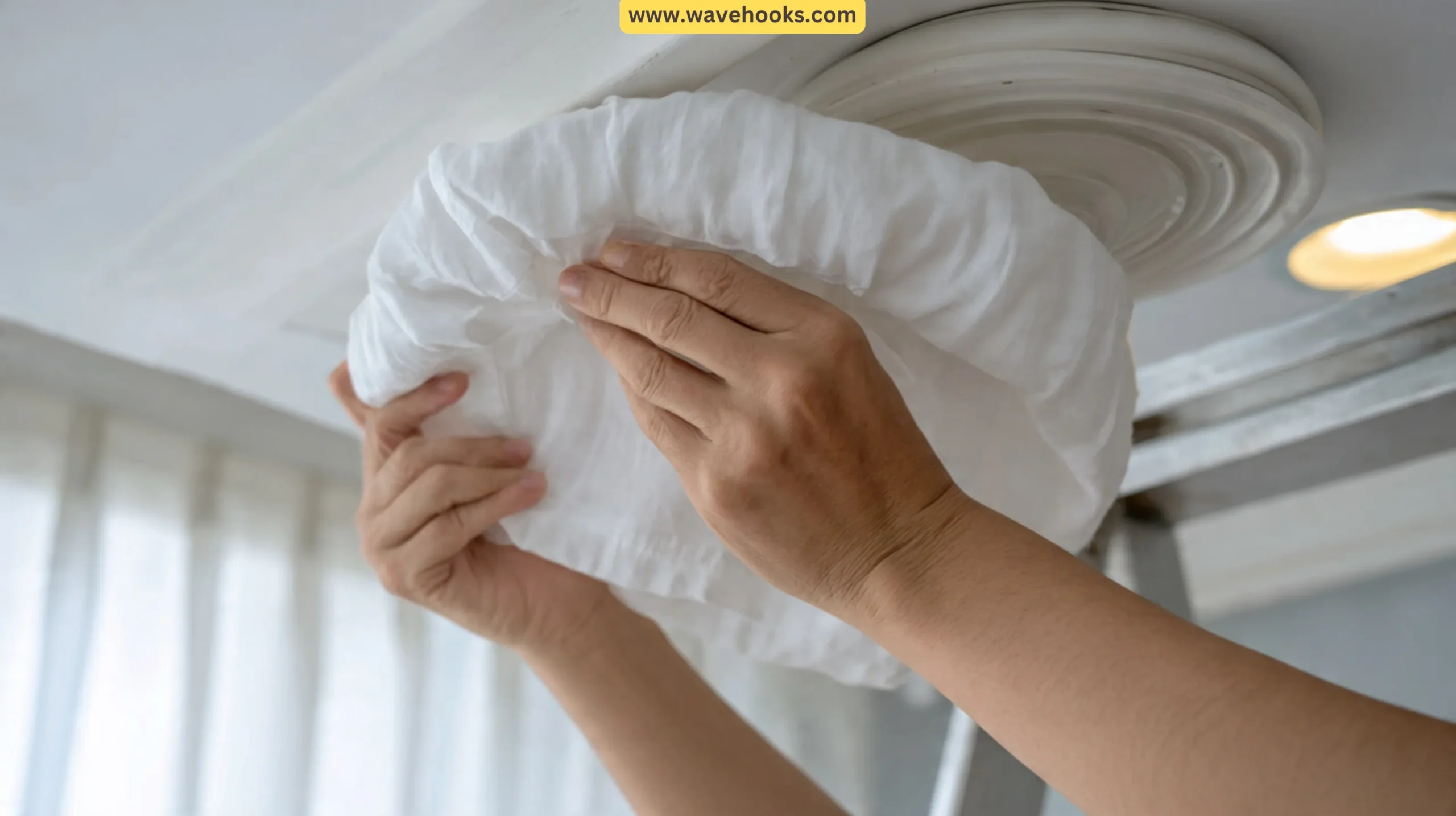
This is the method that changed everything for me, and I recommend it to everyone who asks about how to clean a ceiling fan without dust falling.
It’s simple, effective, and uses something you already have. This is one of the best fan cleaning hacks I’ve ever discovered.
Step-By-Step Instructions
Here is what I do:
- First, I grab an old pillowcase, and I climb my ladder until I’m comfortably at eye level with the fan blades.
- Slide the pillowcase over one blade, covering it completely. Then gently press both sides of the pillowcase against the top and bottom of the blade.
- Slowly pull the pillowcase. As you pull, all the dust that was on both surfaces of the blade gets trapped inside the pillowcase instead of falling on furniture
- Repeat this process for each blade. When you’re done, carefully turn the pillowcase inside out and throw it in the washing machine.
- The entire process takes maybe five minutes, and there’s virtually no dust mess to clean up afterward.
Why This Method Works So Well
The pillowcase method works because it completely encloses the dust. It cleans both surfaces of the blade simultaneously and traps the dust in an enclosed space.
When you wipe a fan blade with a regular cloth or duster, you’re pushing dust off the edge where it falls straight down.
The fabric also creates friction to grab stubborn dust without scratching the blade finish. Best for wooden blades, metal blades, and plastic blades.
Tips For Extra-Dirty Blades
Sometimes, especially if you’ve neglected your fan for a while, dry dusting isn’t quite enough.
- When you see grimy blades, slightly dampen the inside of the pillowcase with water or cleaning solution before sliding it over the blade.
- The moisture helps dissolve stuck-on grime and oils. Just make sure it’s damp, not soaking wet. You don’t want water dripping into the motor housing.
- After using the damp pillowcase method, I do a second pass with a dry microfiber cloth to remove any remaining moisture and buff the blades to a nice finish.
Alternative Methods For Mess-Free Ceiling Fan Cleaning
The pillowcase method is my favorite approach for how to clean a ceiling fan without dust falling
But I understand that different situations call for different approaches. Here are several other effective methods I’ve used successfully.
1. The Dryer Sheet Technique
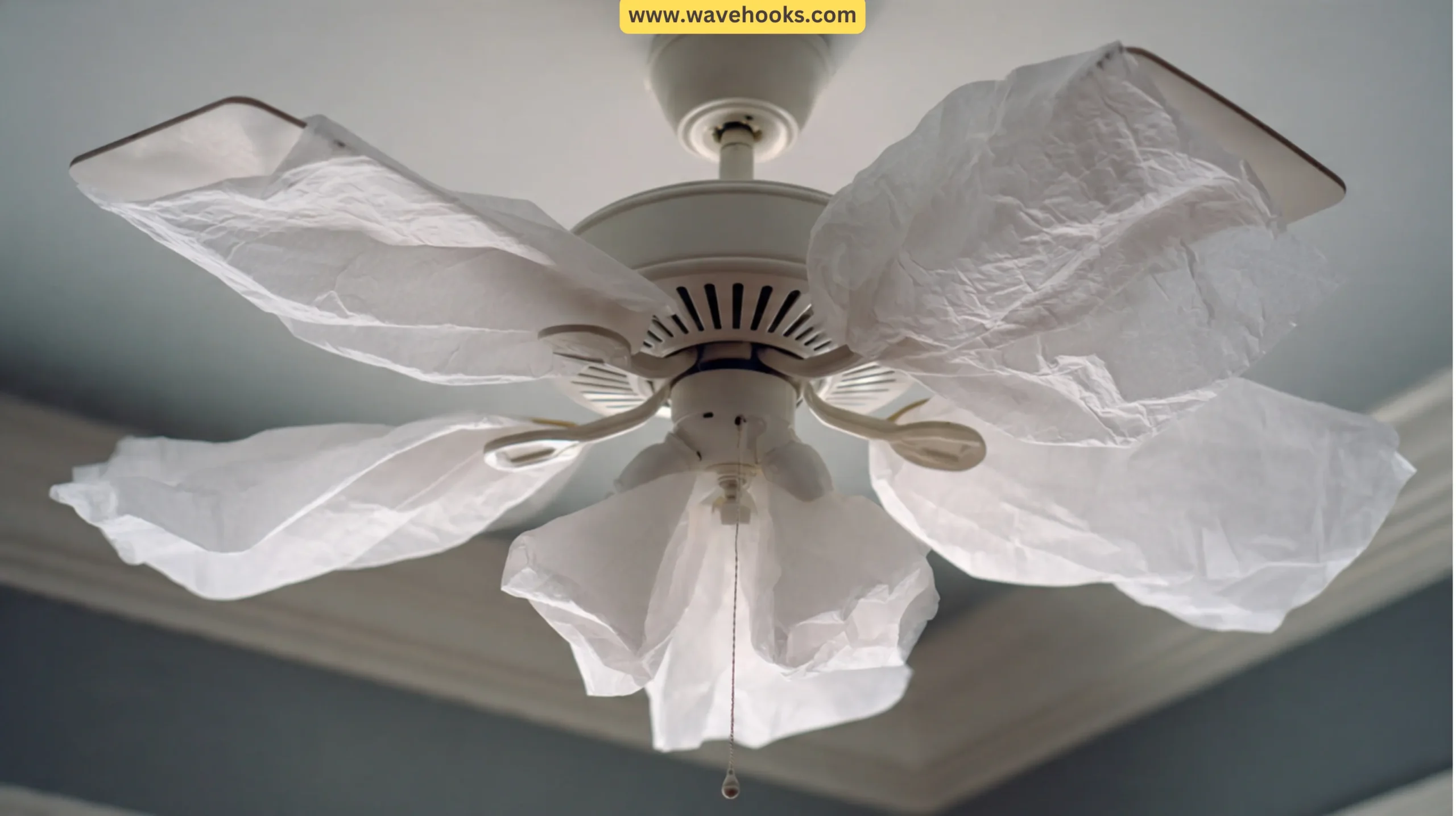
Dryer sheets aren’t just for laundry, but they’re surprisingly effective for ceiling fans and one of my favorite fan cleaning hacks.
I discovered this by accident when I ran out of microfiber cloths one day. The anti-static properties in dryer sheets help repel dust.
Take some fresh dryer sheets and wipe each blade on both sides. The sheets pick up dust, but not as much as the pillowcase method for heavily soiled fans.
The real benefit comes later. I’ve noticed my fans stay dust-free for more weeks compared to cleaning with regular cloths.
It also leaves a fresh, clean scent in the room. For maintenance cleaning between deep cleans, this is my go-to method because it’s so quick and easy.
Also Read: 7 Shocking Ways How To Clean Stovetop Burners With Vinegar!
2. Vacuum With Brush Attachment Method
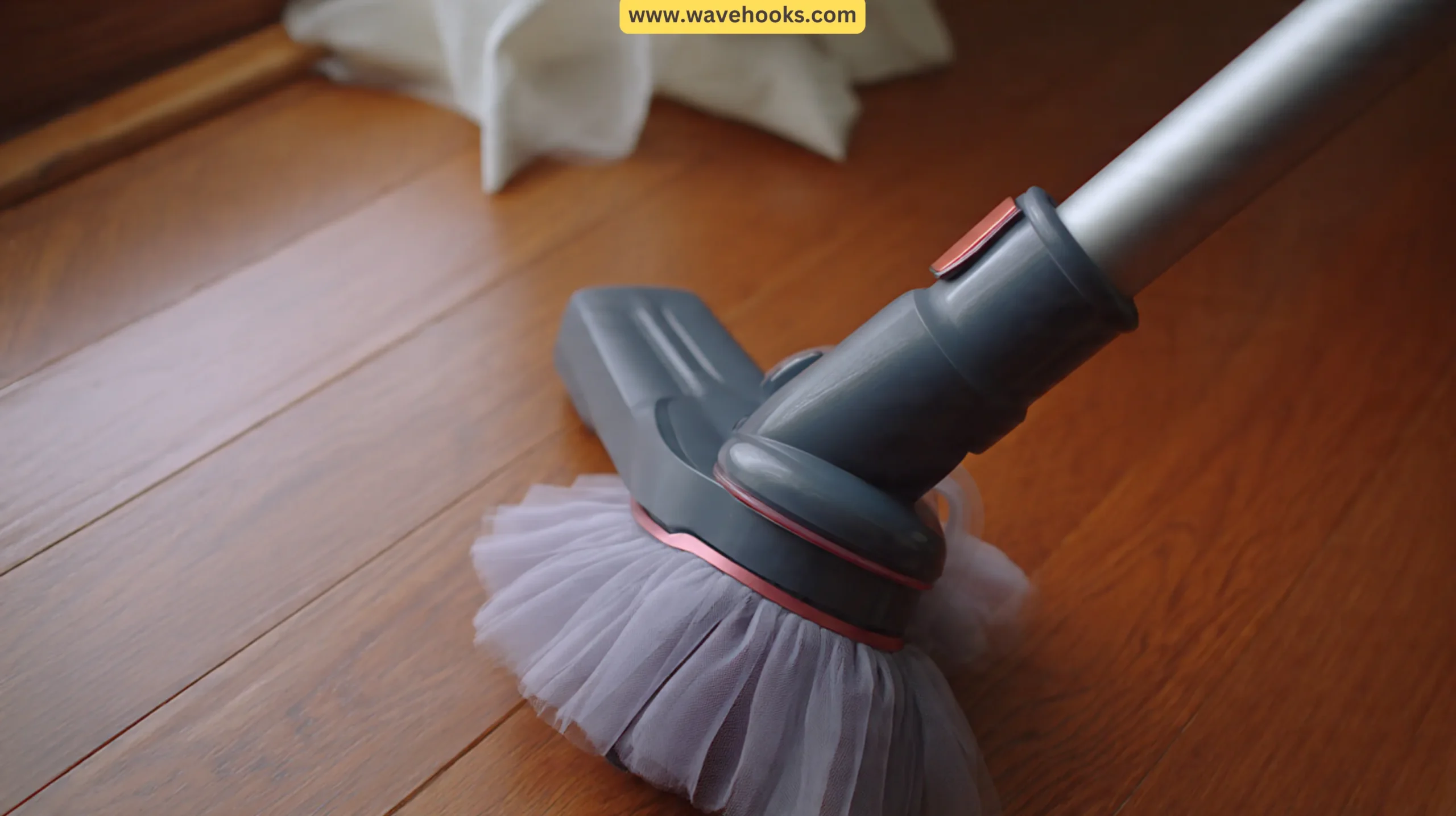
This is my preferred method when I want to avoid climbing a ladder at all, or when I’m doing quick dust cleaning.
Attach the soft brush extension to the vacuum hose and extend it up to the fan blades. Move slowly and carefully on both the top and bottom surfaces.
The vacuum immediately captures the dust, preventing it from falling anywhere. This method works best for light to moderate dust buildup.
I usually combine this with the pillowcase method: vacuum first to remove loose dust, then use the pillowcase for a more thorough wipe-down.
The vacuuming step significantly reduces how much dust ends up in the pillowcase, keeping it cleaner for future use.
Also Read: Is Baking Soda Safe For Cleaning Acrylic and Fiberglass Showers?
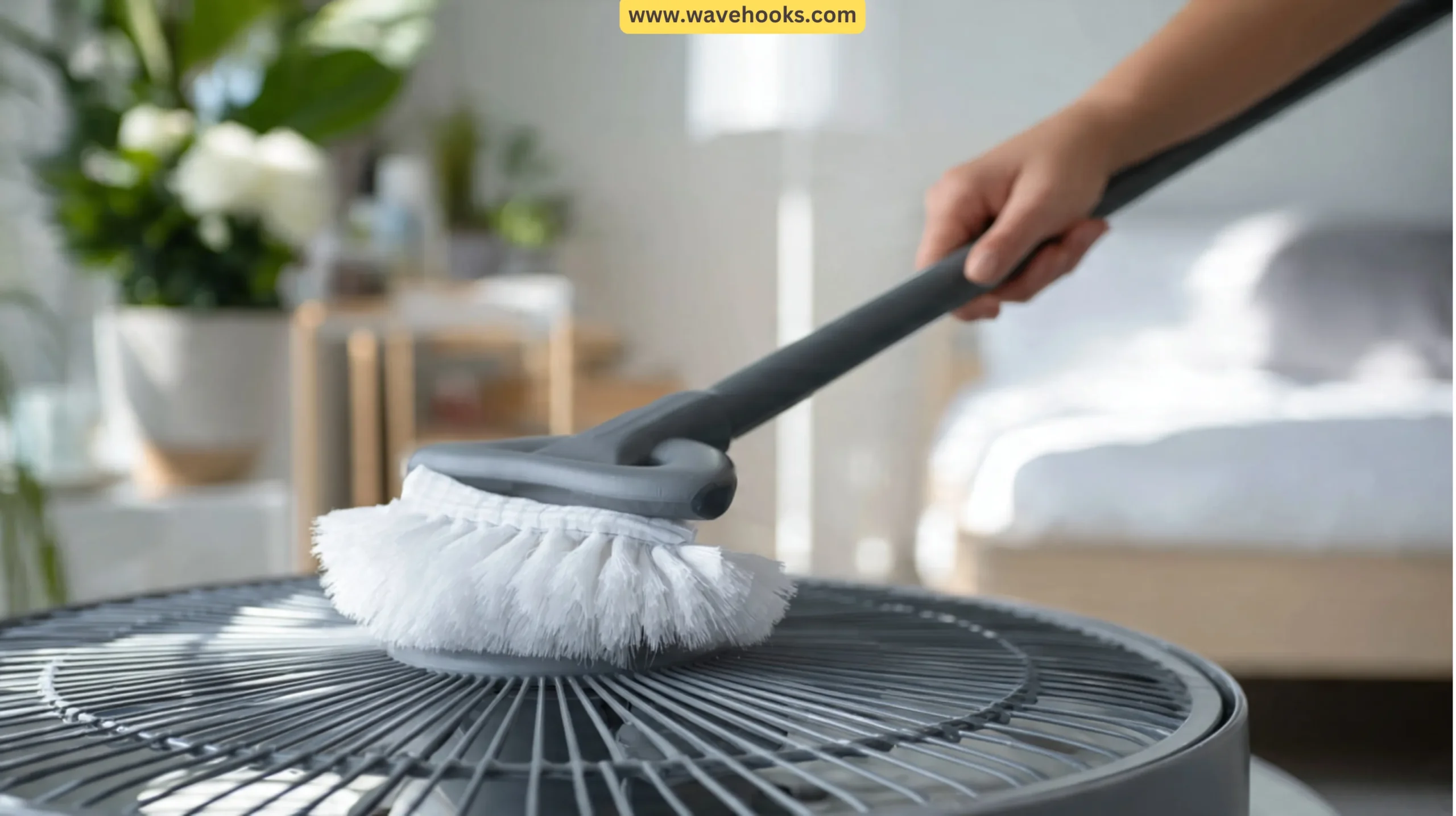
3. Microfiber Duster With Extension Pole
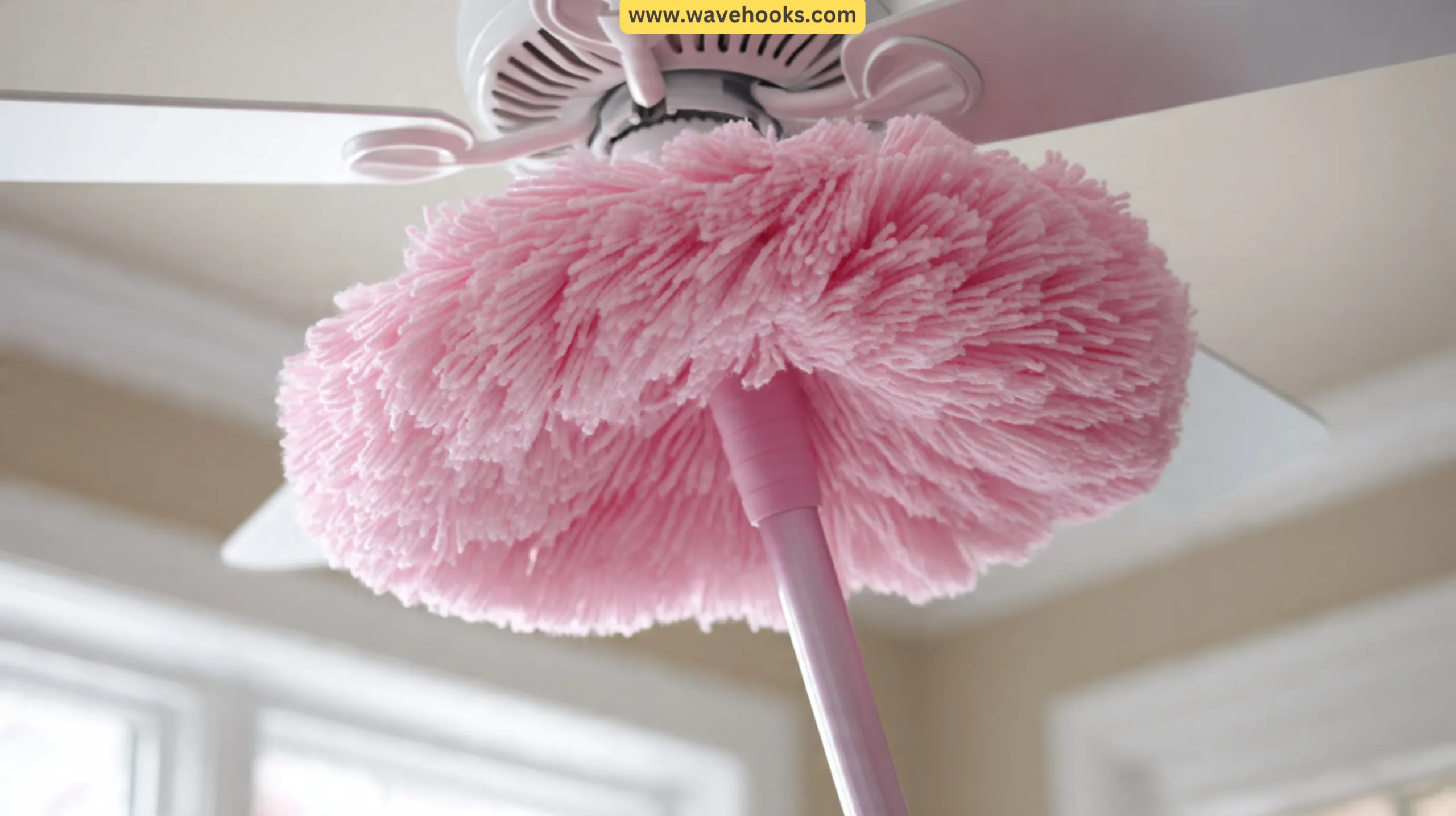
When your fan is high, or when you simply don’t feel like dragging out the ladder, an extension pole duster is invaluable.
Extend it to the appropriate length and lock it in place, then gently run the microfiber head along each blade.
If you press too hard or move too quickly, dust will fly everywhere. Use slow strokes, allowing the microfiber to do its job of attracting and holding dust particles.
This method requires more patience than climbing up close to the fan, but it’s much more effective for regular maintenance.
After using the duster, tap it out in a garbage bag outside to release the captured dust.
4. Damp Cloth Approach For Stubborn Grime
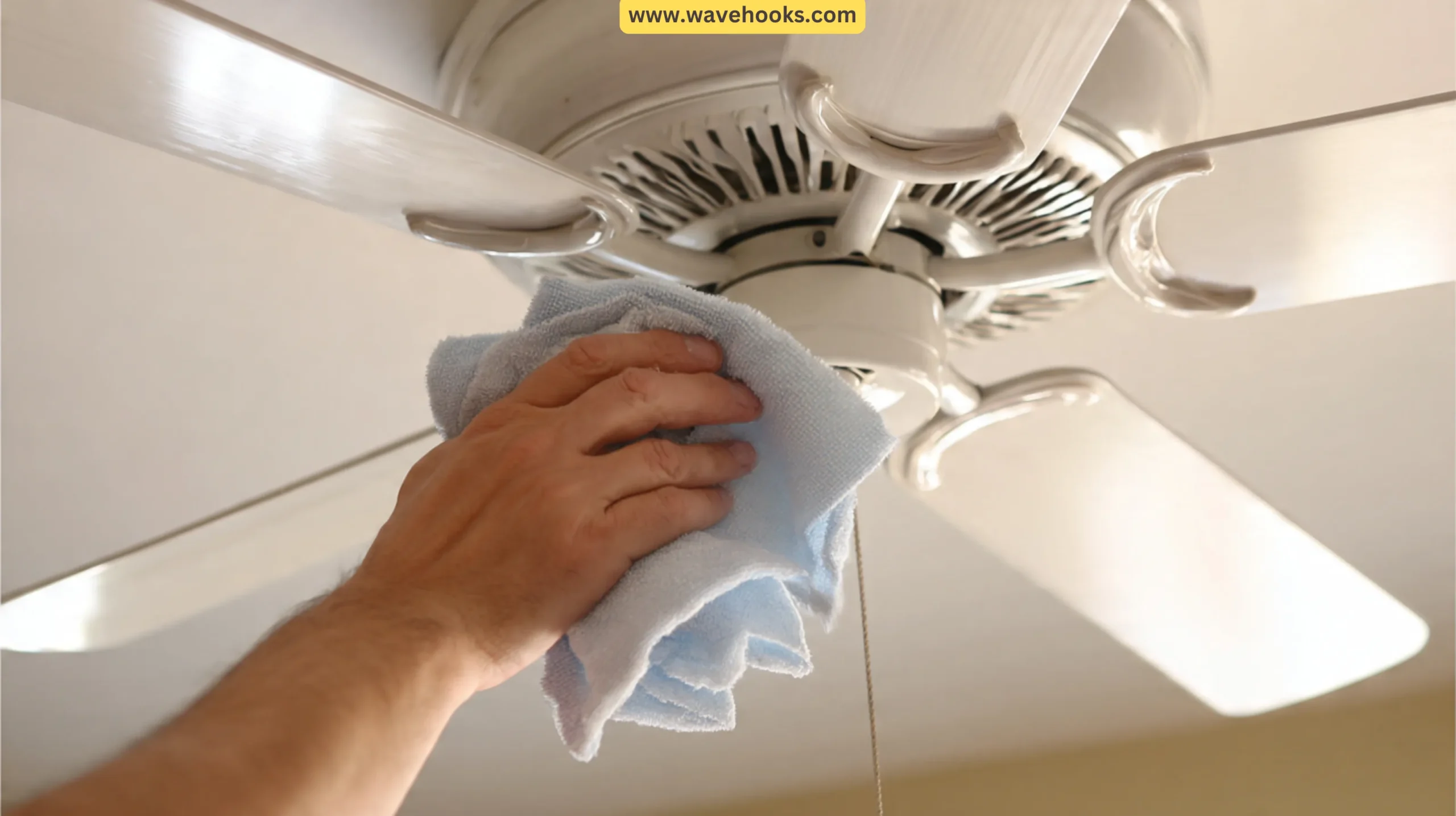
Sometimes you see ceiling fans with more than dust. In these cases, use the damp cloth method.
Fill a bucket with warm water and add a few drops of dish soap, then dampen, never soak, a microfiber cloth in this solution.
Wring it out thoroughly so it’s just barely damp, then climb up and wipe each blade carefully. The moisture helps dissolve oils and sticky residue.
After wiping with the damp cloth, immediately follow up with a dry cloth to remove any excess moisture and prevent water spots or streaks.
This two-step process leaves the blades clean and shiny. Just remember: never spray cleaning solution directly onto the fan or get water near the motor housing.
How To Clean Different Types Of Ceiling Fans
Not all ceiling fans are made equal, and I’ve learned that different types require slightly different approaches.
For the best results, ensure to follow these steps on how to clean a ceiling fan without dust falling.
1. Standard Indoor Fans
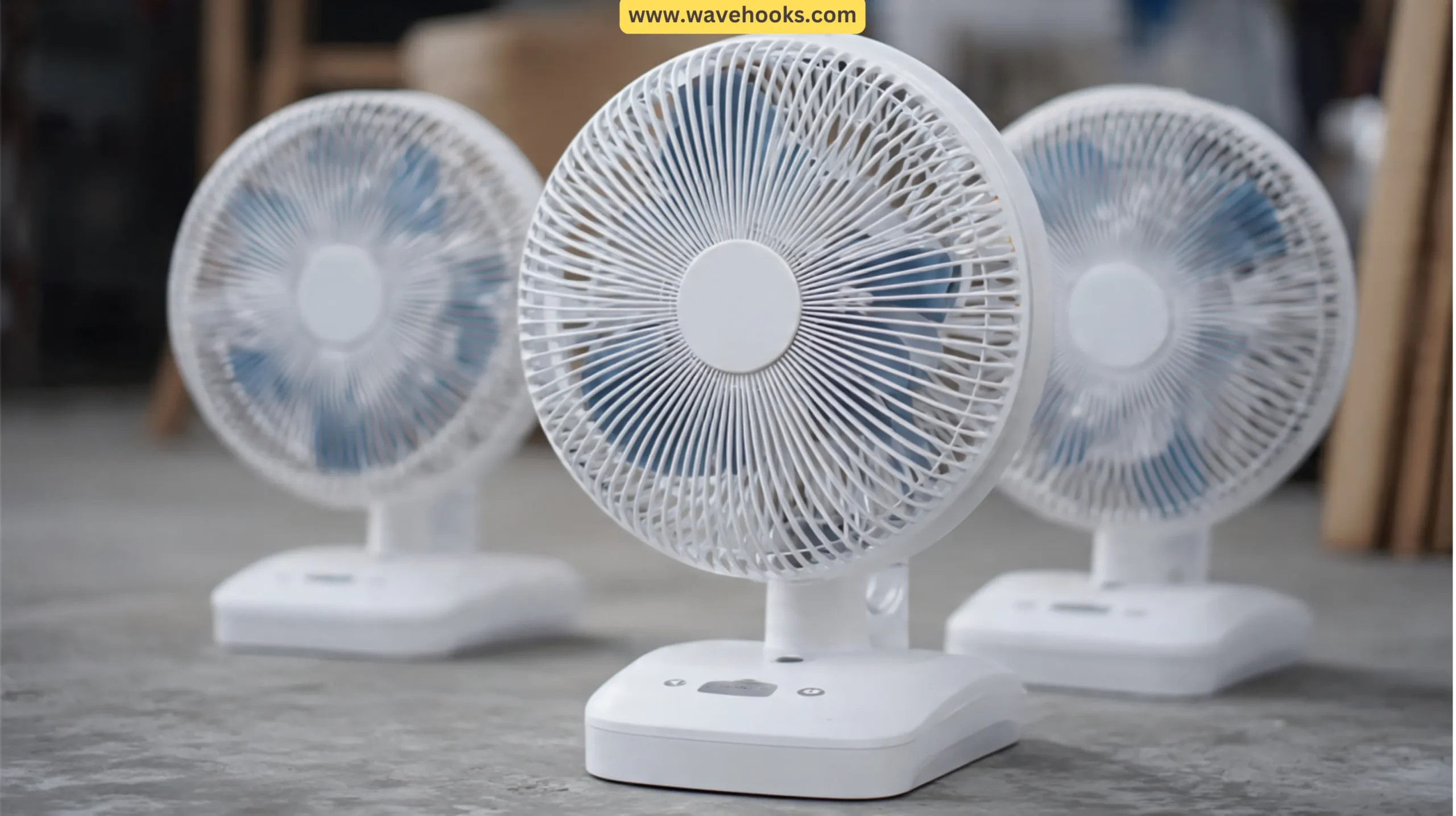
These are easy to clean because they’re typically in climate-controlled environments and accumulate mostly dry dust.
Any of the methods I’ve described above works perfectly for standard bedroom, living room, or office fans.
I usually stick with the pillowcase method or quick dryer sheet wipe-downs for routine maintenance.
These fans generally need cleaning every month or two, depending on your home’s dust levels and how often you run the fan.
2. Outdoor And Patio Fans

Outdoor fans are my biggest challenge because they deal with actual dirt, pollen, moisture, and sometimes even insects.
I’ve found these require more frequent cleaning at least once a month during seasons when you use them regularly. The damp cloth method works best.
Pay attention to the motor housing and hardware while wiping to prevent rust and corrosion. After cleaning, let air dry completely.
Some outdoor fans have removable blades that can be taken down and scrubbed. I do this at the beginning and end of each outdoor season.
Also Read: 20 Brilliant Hacks: How To Make A Patio Garden On A Budget!
3. Fans With Light Fixtures

These require a bit more care and attention. Before cleaning, I always make sure the power is off, not just the light switch, for maximum safety.
I clean the fan blades using any preferred method, then turn my attention to the light fixtures.
I remove glass shades or covers carefully, wash them in warm soapy water, dry them completely, and replace them.
Dead bugs usually accumulate in light fixtures, so I check for those too. Wipe the area around the light bulbs gently, as they can get dusty and reduce light output.
Just make sure everything is completely dry before restoring power. Moisture and electricity do not mix.
4. Industrial Or Commercial Fans

These large fans in garages, workshops, or commercial spaces accumulate dust mixed with other substances like sawdust, grease, and metal shavings.
Approach these more aggressively, constantly removing the blades entirely for proper cleaning. Ensure to check the user manual before cleaning.
Industrial fans usually have a sturdier construction that can handle more vigorous cleaning methods.
Use everything from degreasing cleaners to pressure washers on really dirty commercial fans.
Quick Cleaning Hacks For Time-Saving Results
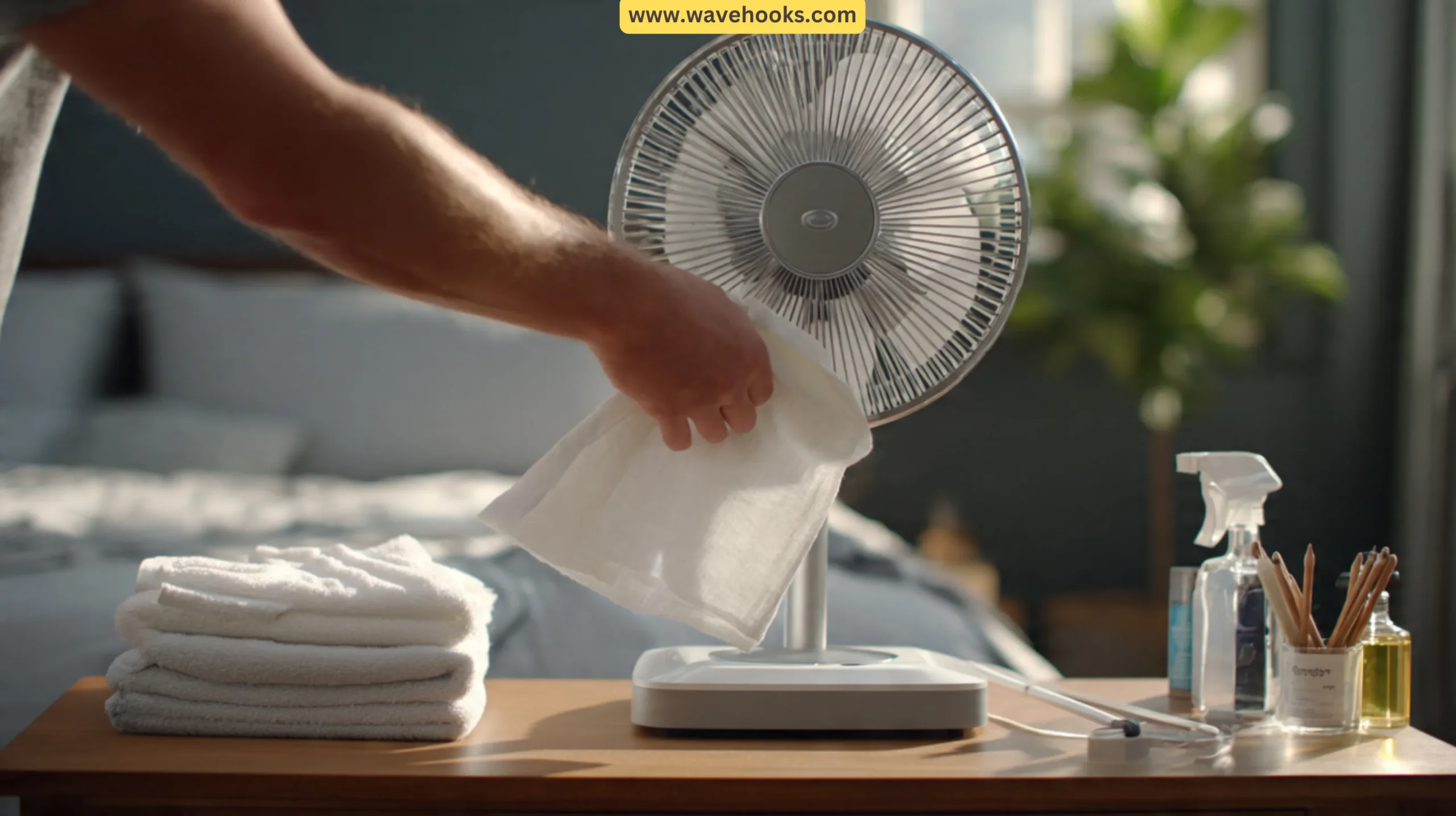
Life gets busy, and sometimes you need fast solutions. Here are my favorite home cleaning tricks.
These tricks will actually work when you need to know how to clean a ceiling fan without dust falling quickly.
The 60-Second Maintenance Routine
I’ve created a super-quick routine that prevents major dust buildup in the first place. This is perfect for quick dust cleaning sessions.
Once a week, I grab a dryer sheet or microfiber cloth and do a one-minute fast wipe of each blade, just the top surface in a single stroke per blade.
This takes almost no time but makes a huge difference in preventing that thick, stubborn dust layer from forming.
Think of it like washing dishes right after dinner versus letting them sit for days. A little maintenance prevents big jobs later.
Cleaning While The Fan Is Slightly Damp
I discovered that cleaning your fan shortly after a shower or on a humid day makes the job easier.
The moisture in the air makes dust particles slightly heavier and stickier, so they’re less likely to become airborne when disturbed.
This is useful if you’re using the vacuum method or an extension pole duster. It’s one of those home cleaning tricks that is simple but makes a real difference.
Also Read: How To Clean Patio Furniture Mesh For Fresh Outdoor Look!
Using Ceiling Fan Cleaning Tools
I was doubtful about specialized ceiling fan cleaning tools when I first saw them advertised, but I tried one and was pleasantly surprised.
These are usually U-shaped microfiber tools designed to clean the top and bottom of a blade simultaneously in one pass. They work like the pillowcase method.
I found one with an extendable handle that lets me clean most fans without a ladder. While not essential if you already have the tools I mentioned earlier.
These specialized cleaners do save time and effort if you have multiple ceiling fans in your home.
How To Deep Clean A Ceiling Fan When It’s Really Bad
Sometimes you move into a new place or a fan that hasn’t been properly cleaned in years.
Here’s how I tackle these extreme situations when standard methods for how to clean a ceiling fan without dust falling aren’t enough.
Remove Blades For Thorough Cleaning: When a fan is truly disgusting, remove the blades for proper cleaning. Most fans have simple screws or bolts holding each blade to the blade attached to the motor. This process usually takes ten to fifteen minutes, but it allows for the most thorough cleaning.
Clean the Motor Housing: Use a barely damp microfiber cloth to wipe down the exterior of the housing. Be careful not to get any moisture into vents or openings where it could damage the electrical components. A soft brush or dry cloth works better for crevices and textured surfaces.
Wash Fan Blades Properly: Once removed, wash them with warm soapy water and a soft sponge or cloth, scrubbing away all the accumulated grime. For wooden blades, wipe them rather than soaking them, and I make sure to dry them immediately and thoroughly. Plastic and metal blades can handle more aggressive cleaning.
Reassembly Tips: Reinstalling blades is easy if you took notes or photos during disassembly. After all blades are attached, turn the fan on at the lowest speed and watch for wobbling. A slight wobble is normal, but excessive shaking means something’s unbalanced, either a blade isn’t properly attached or fitted in the wrong position.
Also Read: 10 Best Afrobohemian Living Trends No One Is Talking About!
Common Mistakes To Avoid When Cleaning Ceiling Fans
I’ve made plenty of mistakes over the years, and I want to help you avoid them when learning how to clean a ceiling fan without dust falling.
- Never clean your fan while it’s running. I can’t believe I have to say this, but I’ve heard stories.
- Don’t use too much water or spray cleaner directly onto the fan. Excess moisture can drip into the motor and cause electrical problems or rust.
- Avoid harsh chemical cleaners unless your fan’s manual specifically approves them. Many can damage blade finishes or cause discoloration.
- Don’t forget to turn off the power at the switch or breaker before cleaning fans with light fixtures.
- Never use the pull chain or blade itself to steady yourself on the ladder. Fans aren’t designed to support body weight and can pull loose from the ceiling.
- Don’t skip cleaning the top of the blades, thinking nobody sees them. That’s where most dust accumulates.
- Finally, don’t rush the job. Taking your time and being thorough always produces better, longer-lasting results than hurrying through it.
Also Read: How To Clean Mold In Shower Grout With Hydrogen Peroxide!
How Often Should You Clean Your Ceiling Fan
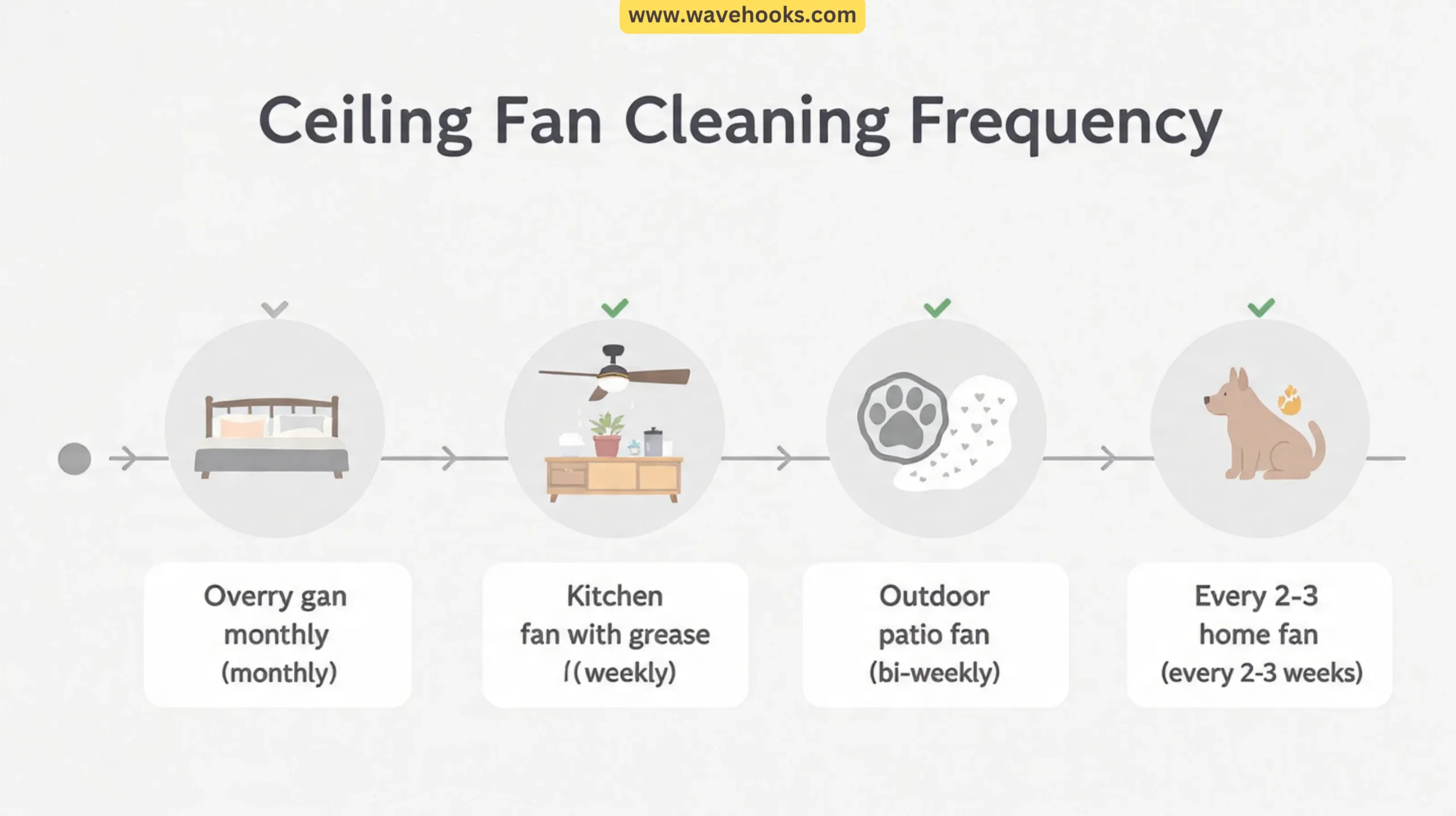
It depends on your circumstances. For most indoor fans in average homes, cleaning once a month keeps dust from becoming a problem.
If you run your fans constantly, have pets, live in a dusty area, or anyone in your home has allergies, I recommend cleaning every two to three weeks.
Fans you use less might only need cleaning every six to eight weeks. Outdoor fans need cleaning every two to three weeks.
Kitchen fans might need weekly attention due to grease and cooking particles in the air. My advice is to check your fan weekly and clean.
You’ll quickly learn what schedule works for your specific situation, and how to clean a ceiling fan without dust falling.
Also Read: What Is The Best Homemade Shower Cleaner Recipe? Must Read!
Preventing Dust Buildup: Maintenance Tips
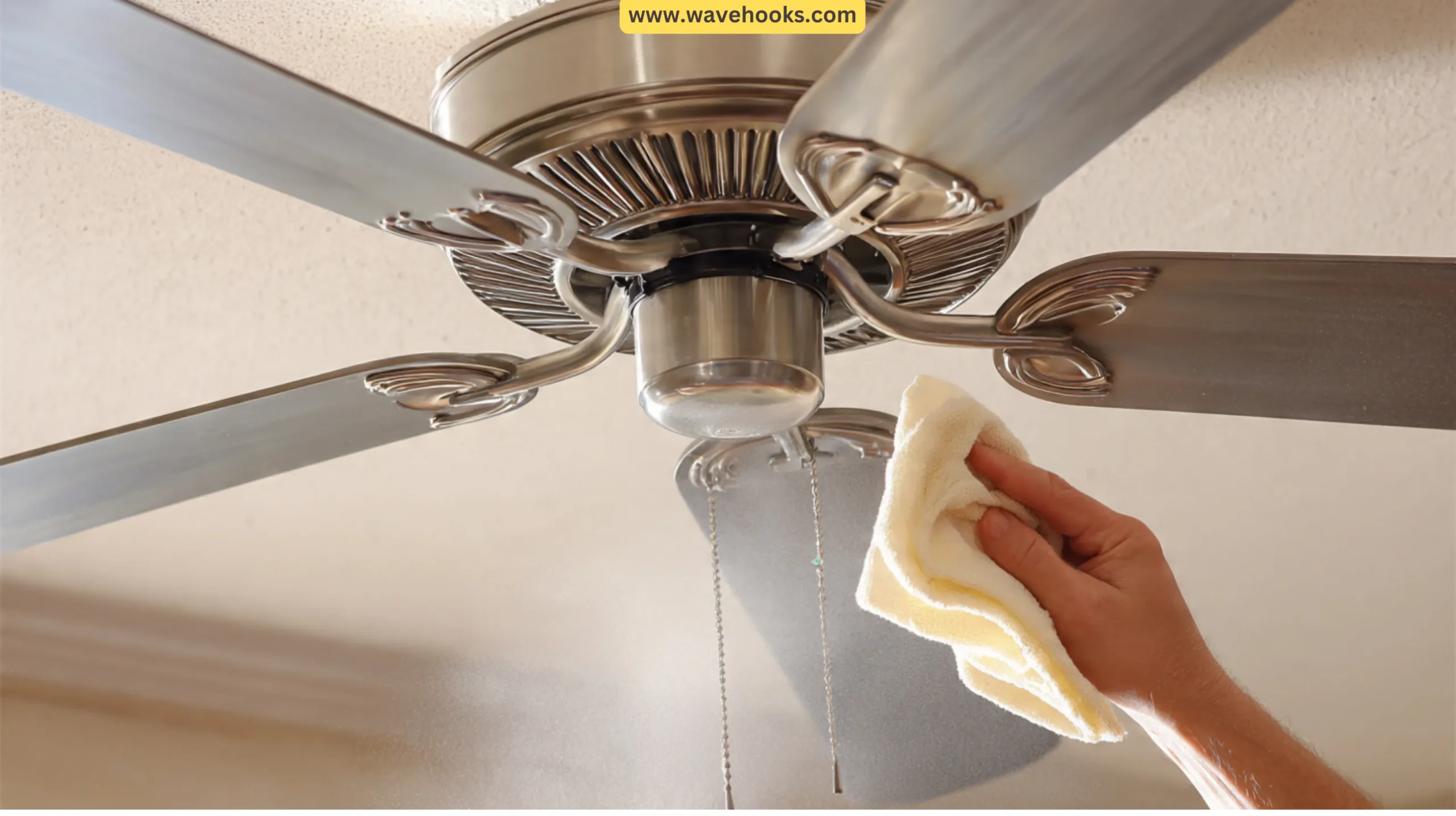
Preventing dust is easier than removing it, and I’ve learned several strategies and home cleaning tricks that really work.
Weekly Quick Dusting Routine: Every Sunday evening, do a quick swipe of each fan blade with a dryer sheet or microfiber cloth. It’s so quick. This small investment of time pays huge dividends and ensures you know how to clean a ceiling fan without dust falling whenever needed.
Use Dust-Repelling Products: After cleaning your fan thoroughly, applying a dust-repelling product helps keep it cleaner longer. My favorite method is wiping blades with dryer sheets because the anti-static coating they leave behind genuinely reduces dust attraction. This is one of those quick dust cleaning solutions that prevents problems before they start.
Improve Air Quality to Reduce Dust: Start using HVAC filters with higher MERV ratings, which trap more dust particles. Vacuum and dust regularly, reducing the amount of dust available to settle on fan blades. These changes will help to reduce accumulated dust, meaning less frequent and easier cleaning sessions.
Seasonal Deep Cleaning Schedule: Beyond regular maintenance, schedule deep cleanings with the changing seasons. Remove blades, wash everything thoroughly, check for damage or wear, and ensure fans are ready for heavy summer or winter use. This seasonal routine catches problems before they become serious.
Benefits Of Keeping Your Ceiling Fan Clean
Let me share why I’m so passionate about this minor household task and why mastering how to clean a ceiling fan without dust falling is so important.
- First and most importantly, clean fans improve your indoor air quality. I’ve noticed fewer allergy symptoms and easier breathing, especially at night.
- Second, clean fans work more efficiently. Without dust adding weight and disrupting airflow, your fan moves more air while using less electricity.
- Third, regular cleaning extends your fan’s lifespan by preventing dust from getting into the motor and causing wear or overheating.
- Fourth, clean fans simply look better. There’s something satisfying about looking up and seeing clean, shiny blades instead of fuzzy gray ones.
- Finally, the process of regular cleaning helps you notice other issues like loose screws, cracked blades, and unusual noises.
Safety Tips For Cleaning Ceiling Fans

Safety absolutely comes first, and I never compromise on these points when teaching people how to clean a ceiling fan without dust falling.
- Always turn off the power at the wall switch or breaker before cleaning, especially for fans with lights.
- Use a sturdy ladder for the height. Never use chairs or makeshift stands. Ensure your ladder is on level ground and fully stable before climbing.
- Wear closed-toe shoes with a good grip, not socks or slippery footwear. If you’re using liquid cleaners, wring out cloths thoroughly to prevent dripping.
- Never spray cleaning products directly onto the fan or near electrical components. Keep children and pets away from your work area.
- If your ceiling fan is extremely high or in a difficult location, there’s no issue in hiring a professional.
final thoughts: How to Clean a Ceiling Fan Without Dust Falling
I hope this comprehensive guide helps you tackle your ceiling fan cleaning with confidence and success.
Remember, the key is finding a method that works for your specific situation and sticking with it regularly.
Whether you choose the pillowcase method, the vacuum approach, or any other technique I’ve described, consistency is what keeps your fans clean
Trust me, once you experience the satisfaction of a clean ceiling fan and the benefits of better air quality, you’ll wonder why you didn’t start this routine sooner.
Now that you know exactly how to clean a ceiling fan without dust falling, nothing is holding you back from enjoying cleaner air. Happy cleaning!
Also Read: How Do You Clean Outdoor Cushions Without Removable Covers!
Frequently Asked Questions about How to Clean a Ceiling Fan Without Dust Falling
1. Can I Clean A Ceiling Fan Without A Ladder?
Absolutely, and I do this regularly for quick maintenance cleans. An extension pole with a microfiber duster or an extended vacuum hose attachment works wonderfully for fans at high.
2. What’s The Fastest Way To Clean A Ceiling Fan?
The dryer sheet method is my fastest approach for routine cleaning. I can do a fan in under two minutes. Just wipe each blade on both sides with a dryer sheet, and you’re done. If you want to avoid climbing entirely, the vacuum with a brush attachment method is also very quick.
3. How Do I Clean A Ceiling Fan That’s Very High Up?
High ceilings definitely complicate things when you’re trying to figure out how to clean a ceiling fan without dust falling, but I’ve found solutions. First, invest in a quality extension pole that reaches your fan, and attach a microfiber duster or the specialized U-shaped fan cleaning tool. Work slowly and methodically