
Spring cleaning in 2026 is not about cleaning their entire homes in one day. People need quick solutions because their lives become busy.
It helps to create spaces that provide health benefits and daily comfort. The process involves basic steps that lead to successful results.
Maintaining the checklist gives you better ways to clean because it shows you effective cleaning methods.
This guide provides practical methods for space organization that suit both apartment tenants and homeowners.
This master checklist provides deep-cleaning procedures, including decluttering your home and safe cleaning techniques designed for residential spaces.
What is the 2026 Spring Cleaning Master Checklist?
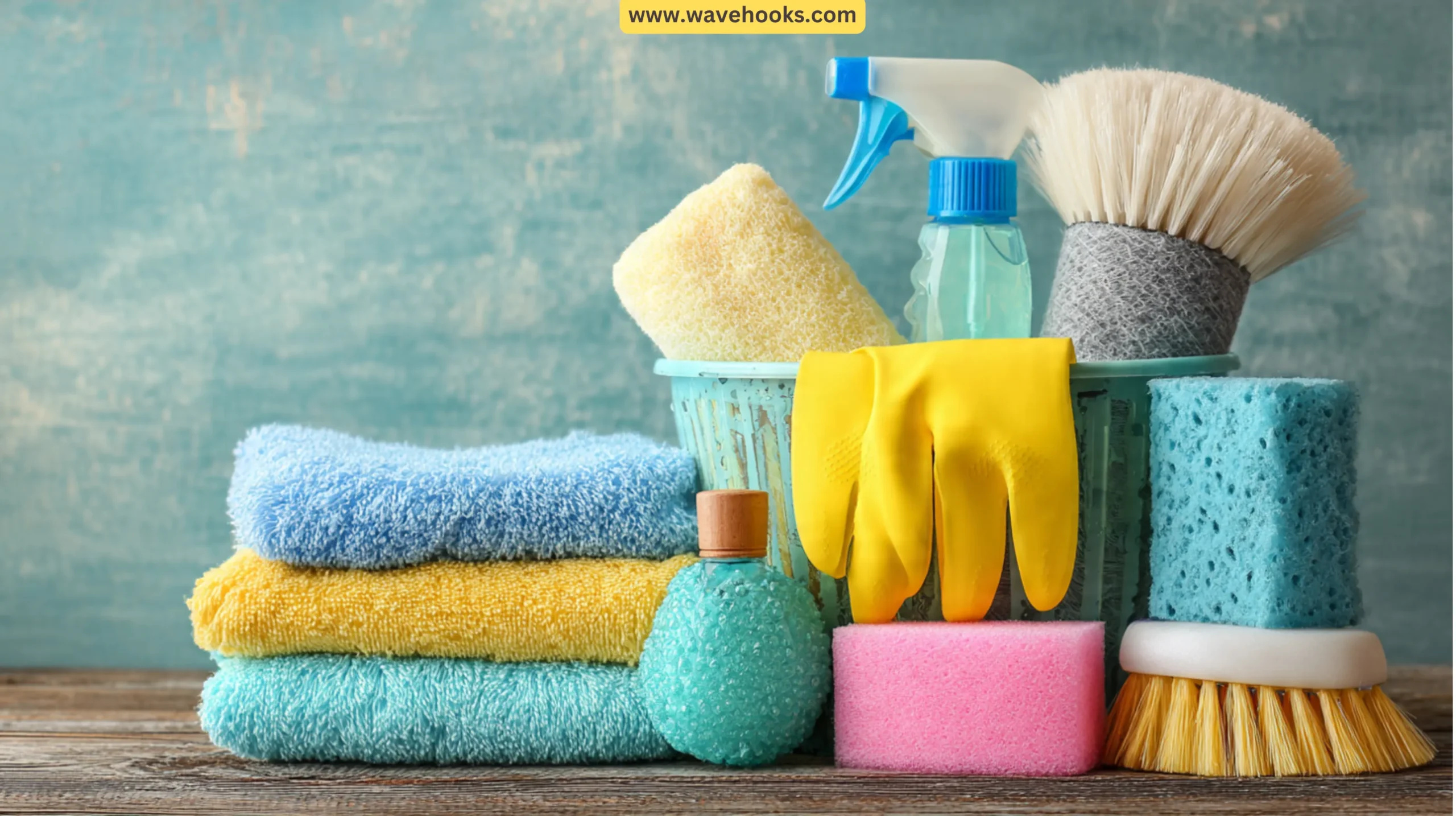
The 2026 Spring Cleaning Master Checklist is a step-by-step system designed to help you clean your entire home without feeling overwhelmed.
The system divides cleaning work into specific areas, which include the kitchen, bathroom, bedroom, living areas, and storage areas.
The winter season leaves hidden dirt and clutter in specific zones, where this checklist is used to assess the problem.
It helps to remove unnecessary items before they start their cleaning work because this practice helps to finish tasks faster while ensuring better results.
The goal is to help users complete their household tasks through short work periods, which allow them to continue their regular activities.
Also Read: I Tried the Ultimate Fall Cleaning Checklist | Here’s What Happened
Why Spring Cleaning Looks Different in 2026
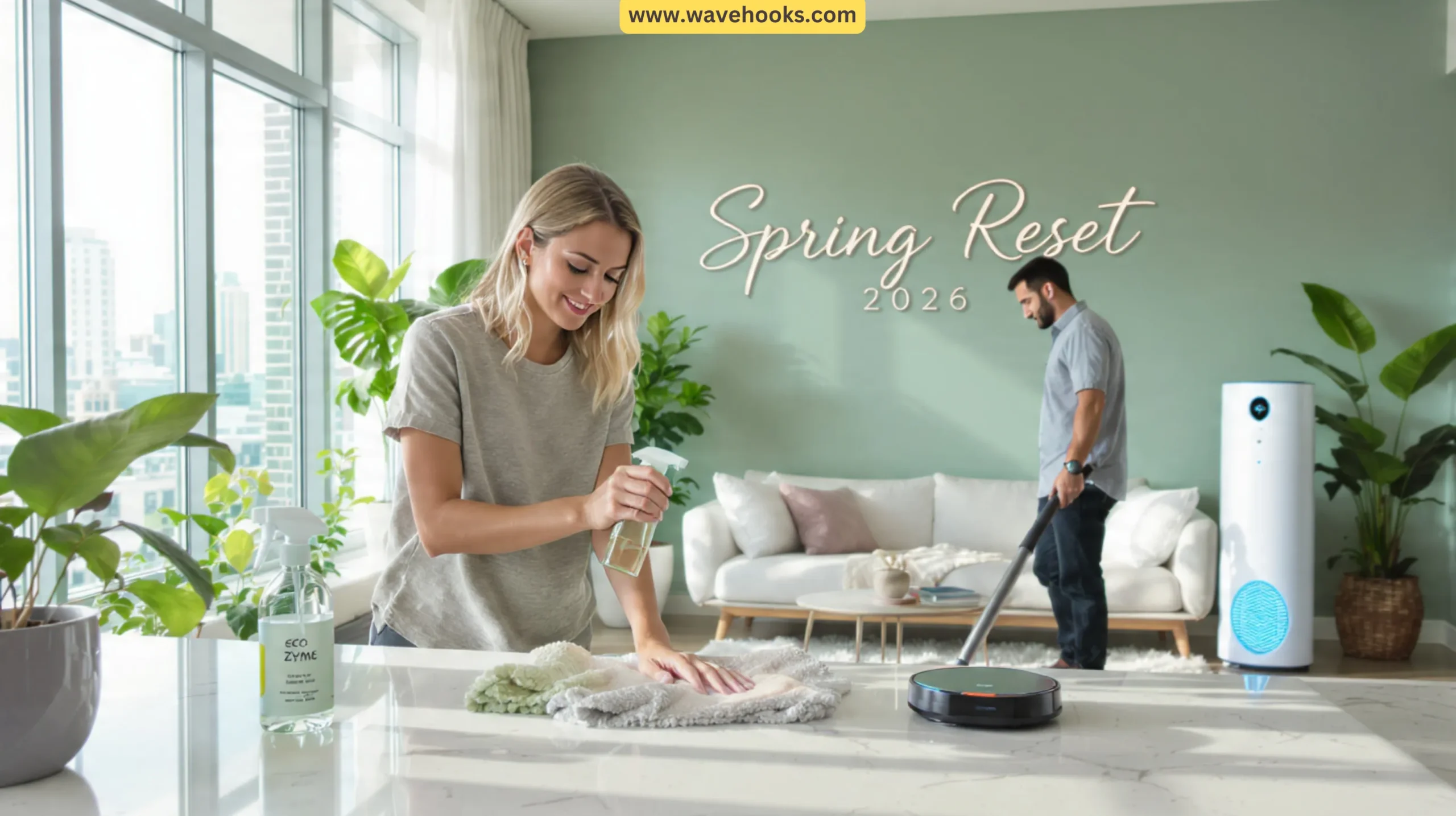
Spring cleaning in 2026 shows a different appearance because our current living conditions are changing over time.
Nowadays, people use their residences for different activities like working, relaxing, storing items, and spending time with family members.
They need cleaning methods that can adapt to various home activities. The current trend is to create a cleaning process without feeling anxious.
Many households today choose to utilize safer cleaning products that replace dangerous chemical substances.
Because everyone is understanding how indoor environments impact their health through air quality.
Many people now treat cleaning as a reset routine instead of a chore. Simple home reset routines help people stay consistent without burnout.
Benefits of Following a Structured Spring Cleaning Checklist

The use of a structured spring cleaning checklist changes all aspects of the cleaning process. Here are the benefits:
- The presence of defined tasks allows you to determine which cleaning activities to perform next.
- Using a checklist helps you to complete work faster while maintaining your focus without experiencing any state of blockage or exhaustion.
- It helps maintain better indoor air quality and hygiene because the indoor environment becomes more contaminated during winter.
- The process of deep cleaning mattresses, curtains, baseboards, and storage spaces establishes a healthier residential environment.
- The primary advantage of this system is improved psychological health, mental relaxation, and concentration.
Understanding home cleaning requirements helps you identify the sections that need actual cleaning work rather than random maintenance.
How to Prepare Before You Start Spring Cleaning
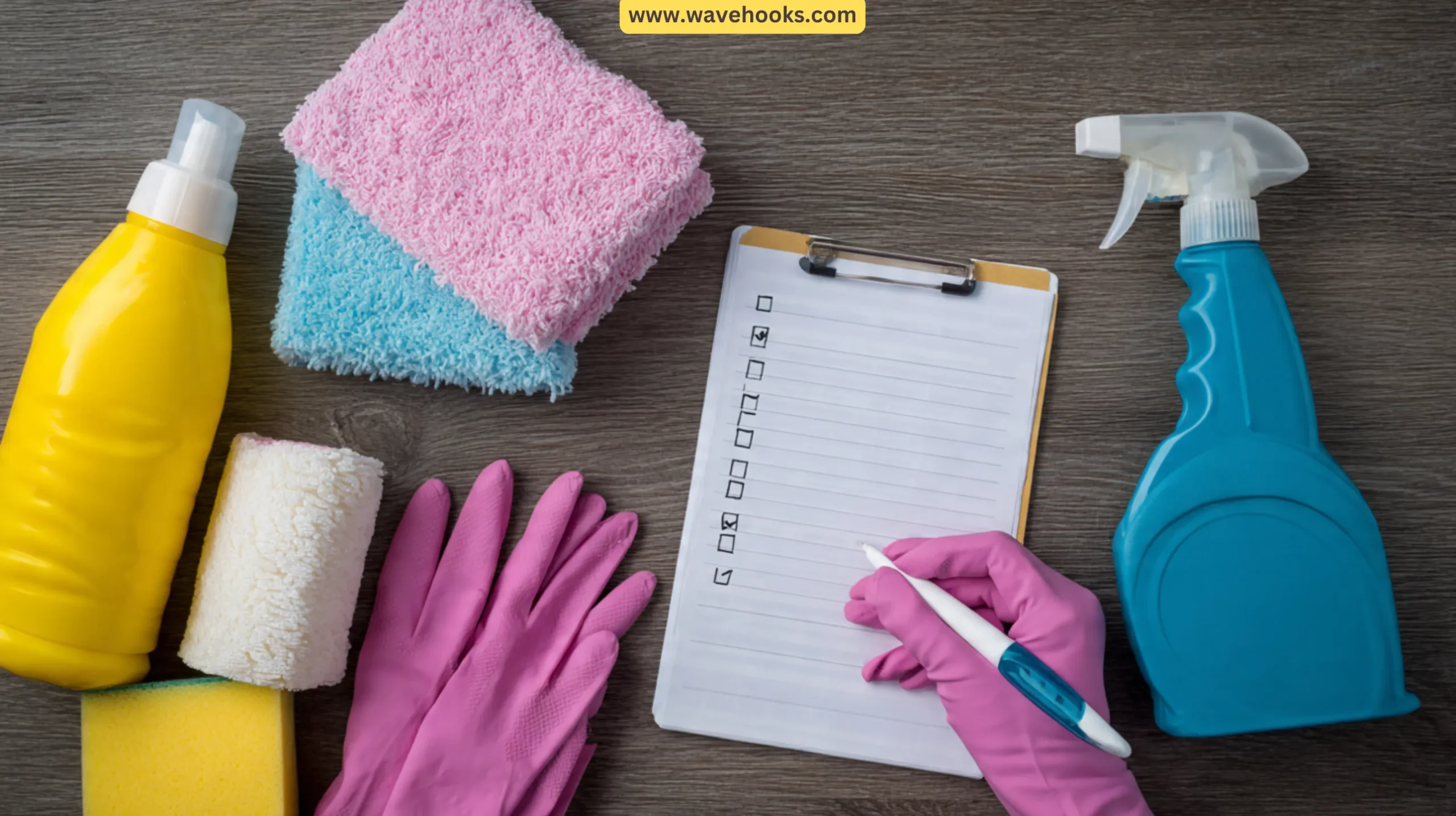
Proper preparation for your spring cleaning duties will lead to time-saving and stress-reducing benefits.
1. Start by setting realistic goals and timelines
You need to establish achievable goals that include specific timeframes for completing your tasks.
Your daily schedule needs to include your available cleaning time.
The better approach for cleaning your space involves cleaning one area daily instead of attempting to complete all tasks simultaneously.
2. Gather essential cleaning tools
Essential cleaning equipment needs to be collected at this stage.
Your cleaning process requires microfiber cloths, scrub brushes, a vacuum, a mop, gloves, and storage bins before you begin.
The presence of all necessary equipment within reach boosts your concentration abilities.
3. Choose non-toxic and eco-friendly products
The selection of non-toxic, eco-friendly products provides better protection for your health and maintains better indoor air quality.
Most cleaning tasks can be handled with vinegar, baking soda, and plant-based cleaners.
These substances are both effective and safe for homes with children or pets.
4. Create a cleaning playlist or reset ritual
You need to create your own cleaning playlist, which you can use to establish your own resetting process.
People find cleaning tasks more enjoyable when they listen to music or podcasts or use timers to break their work into smaller segments.
The development of consistent habits depends on these small activities. Switching to eco-friendly or home made diy recipies leads to bettering your environment.
Zone-by-Zone Spring Cleaning Checklist
The process of spring cleaning becomes more efficient when you divide the cleaning work into separate zones.
People become more motivated to work when they see their progress through completing one task before starting another.
1. Kitchen Deep Clean Checklist
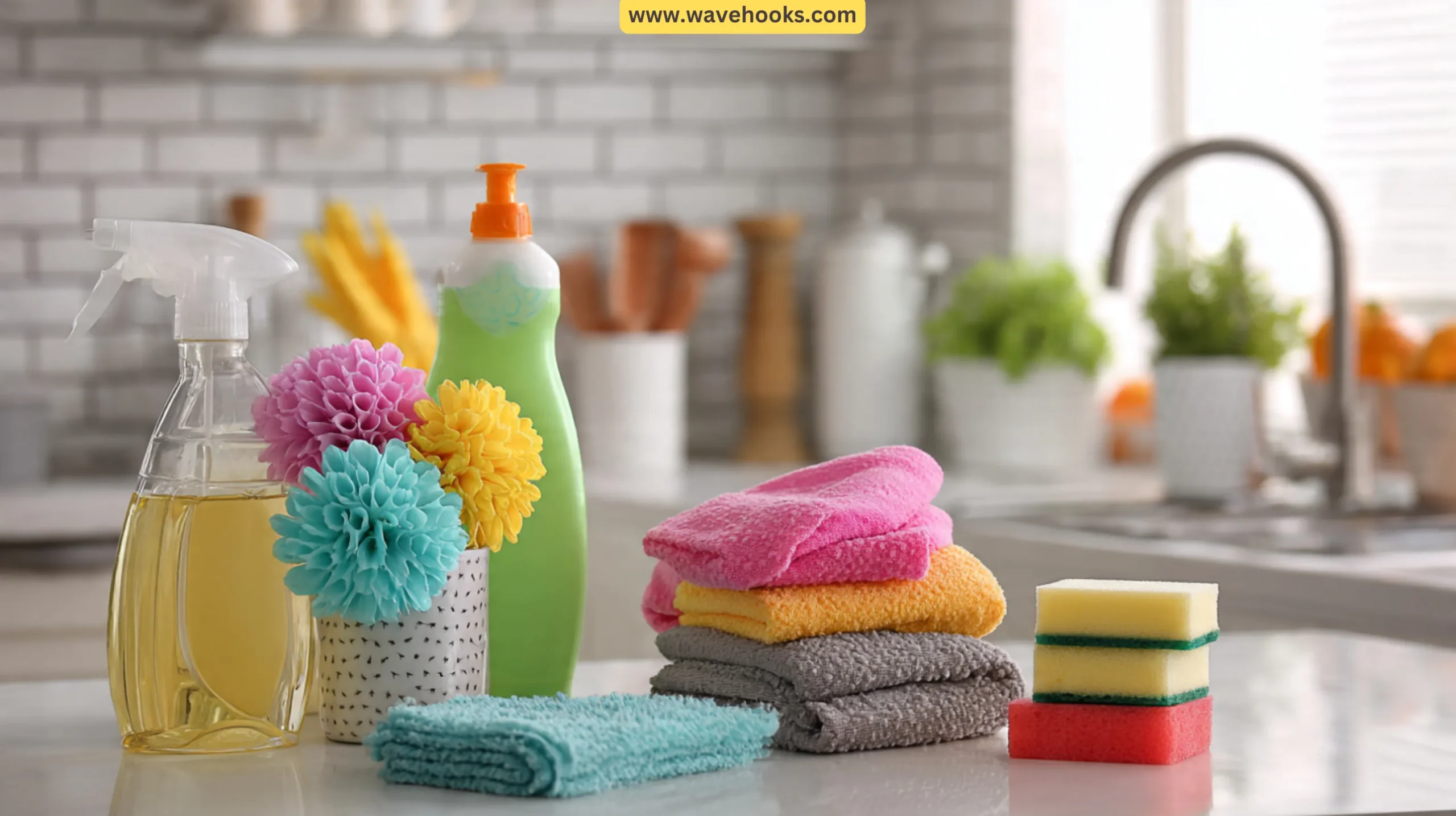
Spring cleaning requires special attention to the kitchen because it stands as the most frequently used space in the house.
Start with appliances: The refrigerator needs its complete interior and exterior cleaning, and should throw away all expired food and wipe all shelves and drawers. The cleaning process involves all components of the oven, microwave, dishwasher, and stovetop equipment.
Also include small appliances like toasters, mixers, and coffee machines because this equipment collects both crumbs and grease.
Move on to cabinets and pantry spaces: The process starts by cleaning all cabinet areas together with all pantry spaces. This step functions as an effective method to stop clutter. It requires emptying all shelves and performing a complete wipe while checking all products for their expiration dates.
The method involves organizing similar items into containers, which makes food items visible while maintaining order.
Finish with sinks, drains, and surfaces: The process starts with cleaning all sinks and drains, together with all other surfaces. Scrub the sink and clean drains to stop odors and wipe faucets. Ensure to clean all surfaces which include countertops and handles and backsplash areas to eliminate both grease and bacteria.
The kitchen organization process after deep cleaning establishes a system that maintains clean results and prevents clutter for an extended period.
2. Bathroom Deep Clean Checklist
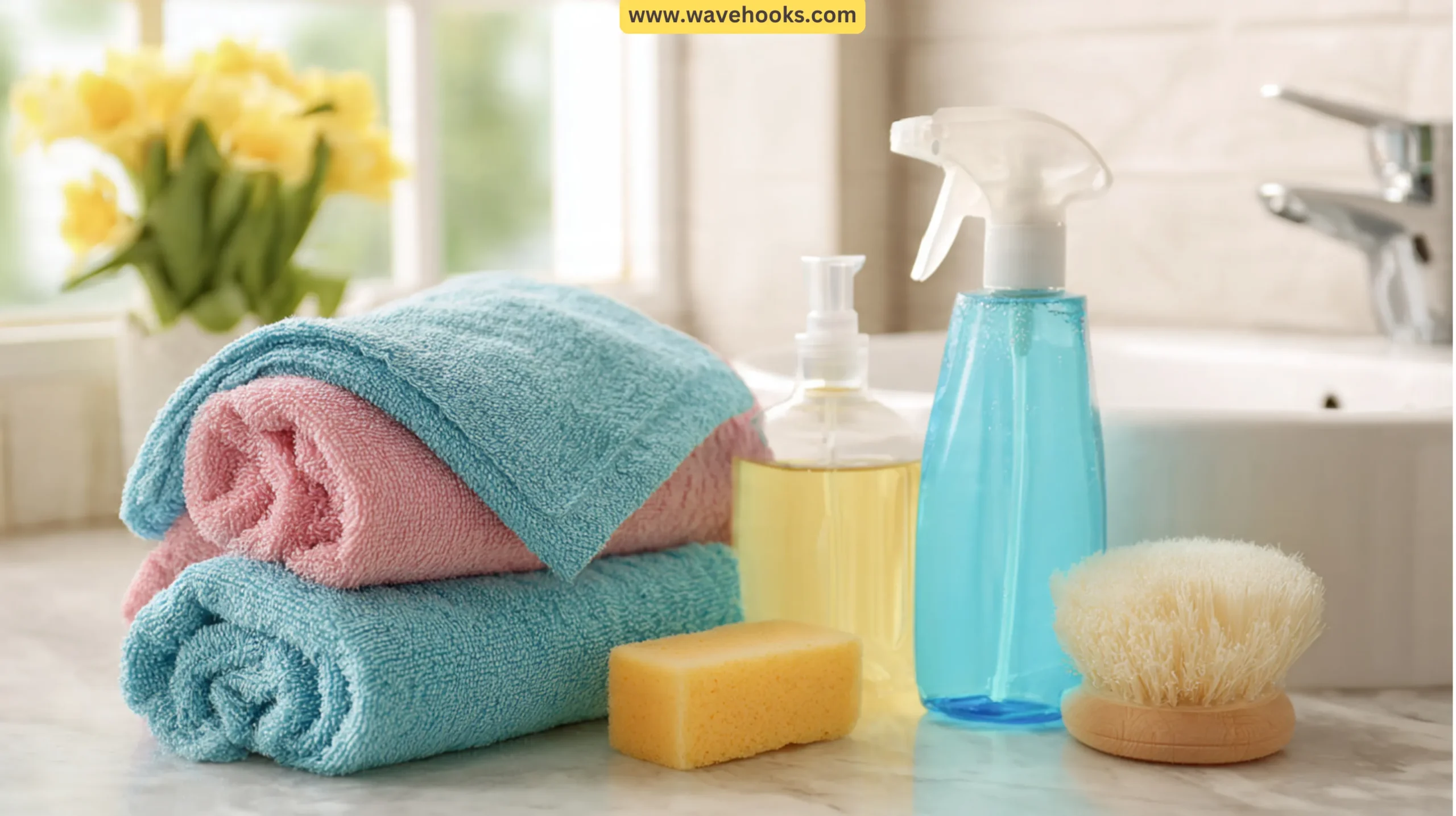
The cleaning process must be performed with thoroughness because it protects bathroom spaces from bacterial growth and mold development.
Start with tiles, grout, and fixtures: The cleaning process begins with scrubbers to remove soap scum and mildew from tiles and grout lines. The cleaning process requires users to clean showerheads and taps until water functions correctly and all surfaces achieve a polished appearance.
Move to toilets and their associated drainage systems: The disinfecting process requires complete coverage of toilets, including all handles and base areas. The process requires users to clear sink drains and floor drains to eliminate bad odors while improving drainage speed.
Deal with storage items and expired products: The process begins with the emptying of all contents from cabinets and drawers. All expired skincare products, makeup items, and medicines must be disposed of. The process of bathroom upkeep becomes simpler when people maintain only their essential items.
The process of maintaining clean shower grout between deep cleaning sessions becomes possible through the use of safe cleaning methods.
3. Bedroom Cleaning and Decluttering Checklist
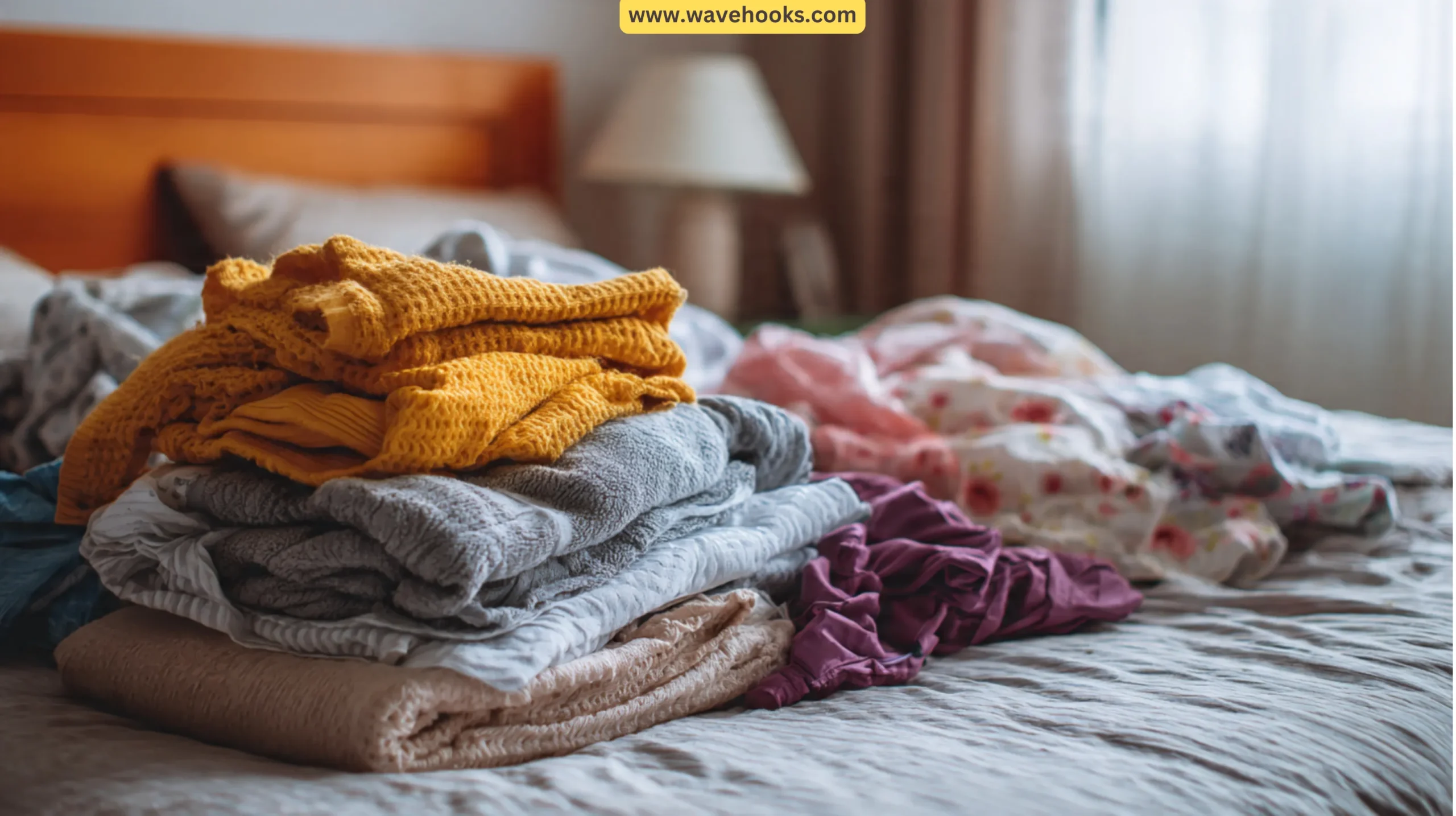
A clean bedroom environment provides people with better sleep and relaxation opportunities.
Start with the closet: You need to separate your clothes into three groups, which are items to keep, items to donate, and items to recycle. You should remove all items that you have not worn during the past twelve months to create extra room in your closet.
Clean both the mattress and the bedding: The mattress needs vacuuming to eliminate both dust particles and allergenic materials. The procedure involves washing sheets together with pillowcases and blankets. The mattress should be rotated whenever it is feasible to do so.
Remove all hidden items: The process requires you to take out all storage boxes, which should be discarded after you clean the area under furniture. It requires you to dispose of all items that have lost their usefulness.
People can maintain organized bedrooms through their daily practice, even though they are having small bedroom space.
4. Living Room and Common Areas Checklist

The daily usage of living rooms and common areas leads to the rapid accumulation of dust.
Vacuum upholstery, sofas, and cushions: The washing or steam cleaning process needs to be used on curtains to eliminate both dust particles and allergenic substances. All floor surfaces need to be cleaned completely, while baseboards need to be wiped down to eliminate dirt that tends to accumulate there.
Dust all electronics, shelves, decor items, and remote controls: Use microfiber cloths to clean all these areas. The implementation of home decluttering methods enables shared spaces to maintain their operational capacity and inviting atmosphere after the winter cleaning process concludes.
5. Entryway and Storage Areas Checklist

Entryways turn into clutter zones because people do not realize this problem exists.
Sort shoes, coats, and bags: The first step involves storing winter items while you donate all other items that you do not need anymore. The process requires you to clean cabinets and shelves before you create labels for storage bins, which will help to find items quickly.
Rotating seasonal items: This process includes keeping off-season items in transparent containers. The use of smart storage organizing solutions for compact living spaces enables residents to maintain their entryway organization during all twelve months of the year.
Decluttering Tips That Actually Work
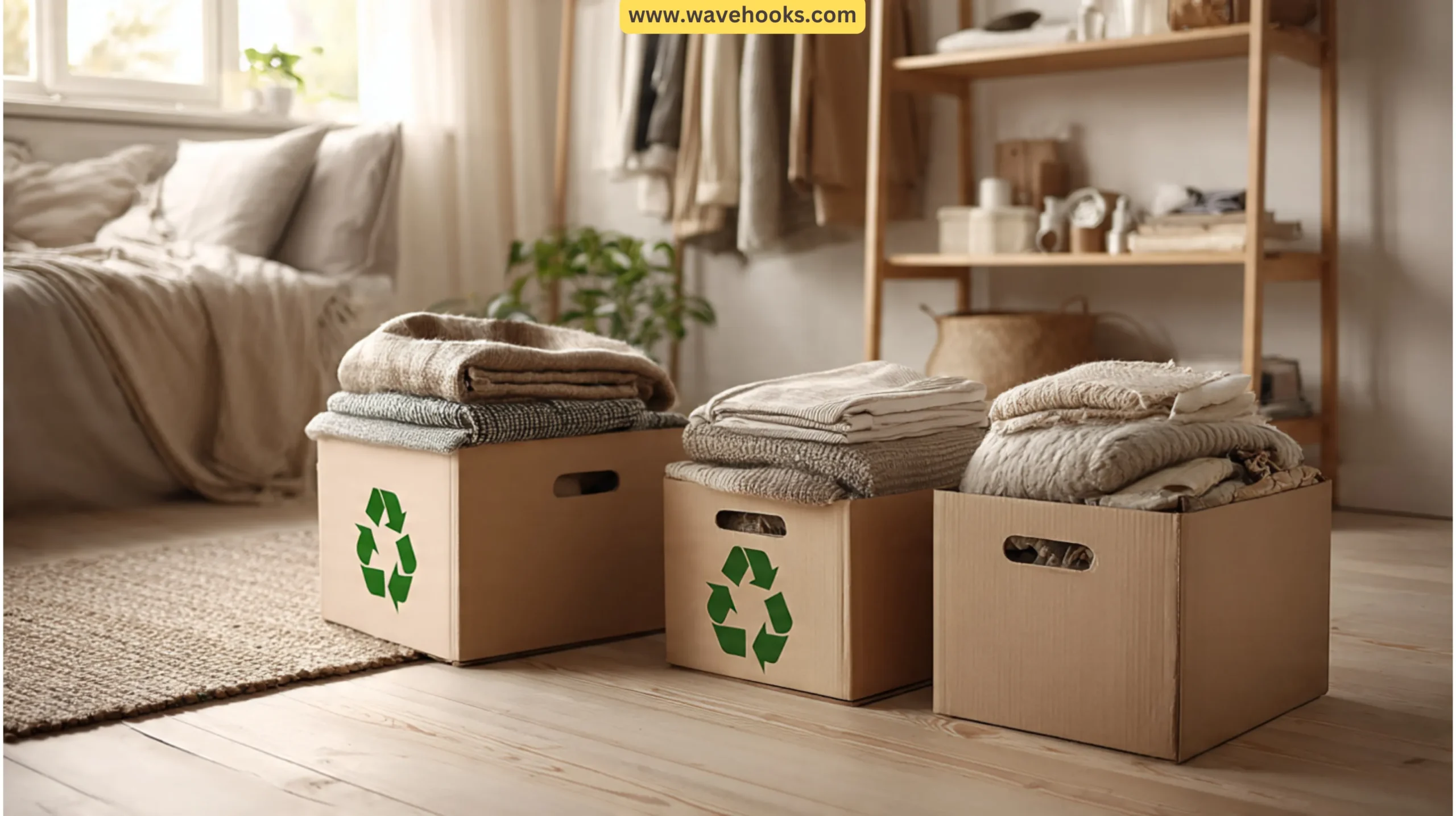
The process of spring cleaning begins with the task of decluttering, which serves as its fundamental base. Here are some tips that actually work:
- The keep, donate, and recycle system provides an effective method for organizing items. Every item should fall into one of these three categories.
- Discard broken items, unused things, and any items that no longer match their current lifestyle. This rule keeps decisions simple.
- The one-zone-at-a-time method serves as an effective solution because it enables them to focus on one zone until they complete their current work.
- The process of letting go begins before springtime because people need to decide which items they no longer require.
- The common sources of clutter include winter clothes, kitchen gadgets that remain unused, expired beauty products, and duplicate items.
- The removal of these items from your home will create smoother transitions for your daily activities.
The impact of small habits creates significant changes. Your home will remain organized during busy times because you follow decluttering tips that work.
Eco-Friendly Cleaning Hacks for a Deep Clean
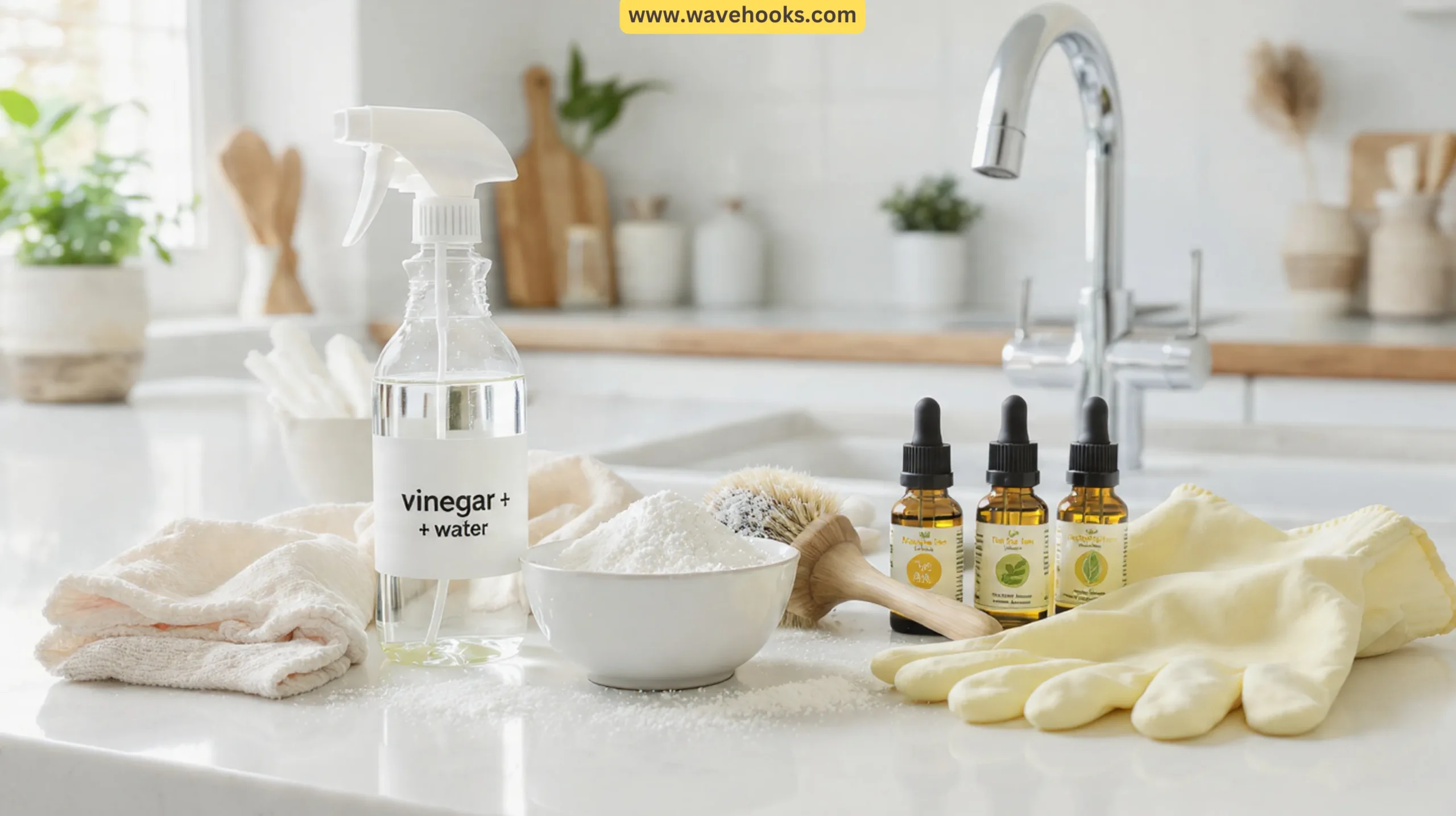
The process of eco-friendly cleaning provides safe results that achieve complete effectiveness when executed according to proper techniques.
Vinegar-based cleaning products: They provide effective results because they can be used on multiple surfaces. The vinegar solution effectively breaks down greasy substances while eliminating mineral buildups and destroying bacteria that produce odors. The product provides essential benefits for usage in both kitchen and bathroom settings.
Baking soda scrub: It is great for stubborn stains. Baking soda functions as a mild abrasive material that effectively removes dirt without causing harm to surfaces. The product works effectively on sinks, tubs, ovens, and trash bins.
Essential oils: These also provide benefits, but establishing safety protocols remains essential. The natural cleaning abilities of tea tree oil, lemon oil, and eucalyptus oil require diluting before using them. When excessive amounts of the product are applied to their skin, irritation develops while their surfaces sustain damage.
Switch to eco-friendly cleaning hacks: It establishes a healthier home environment, which minimizes chemical exposure during spring cleaning.
Non-Toxic DIY Cleaners You Can Make at Home
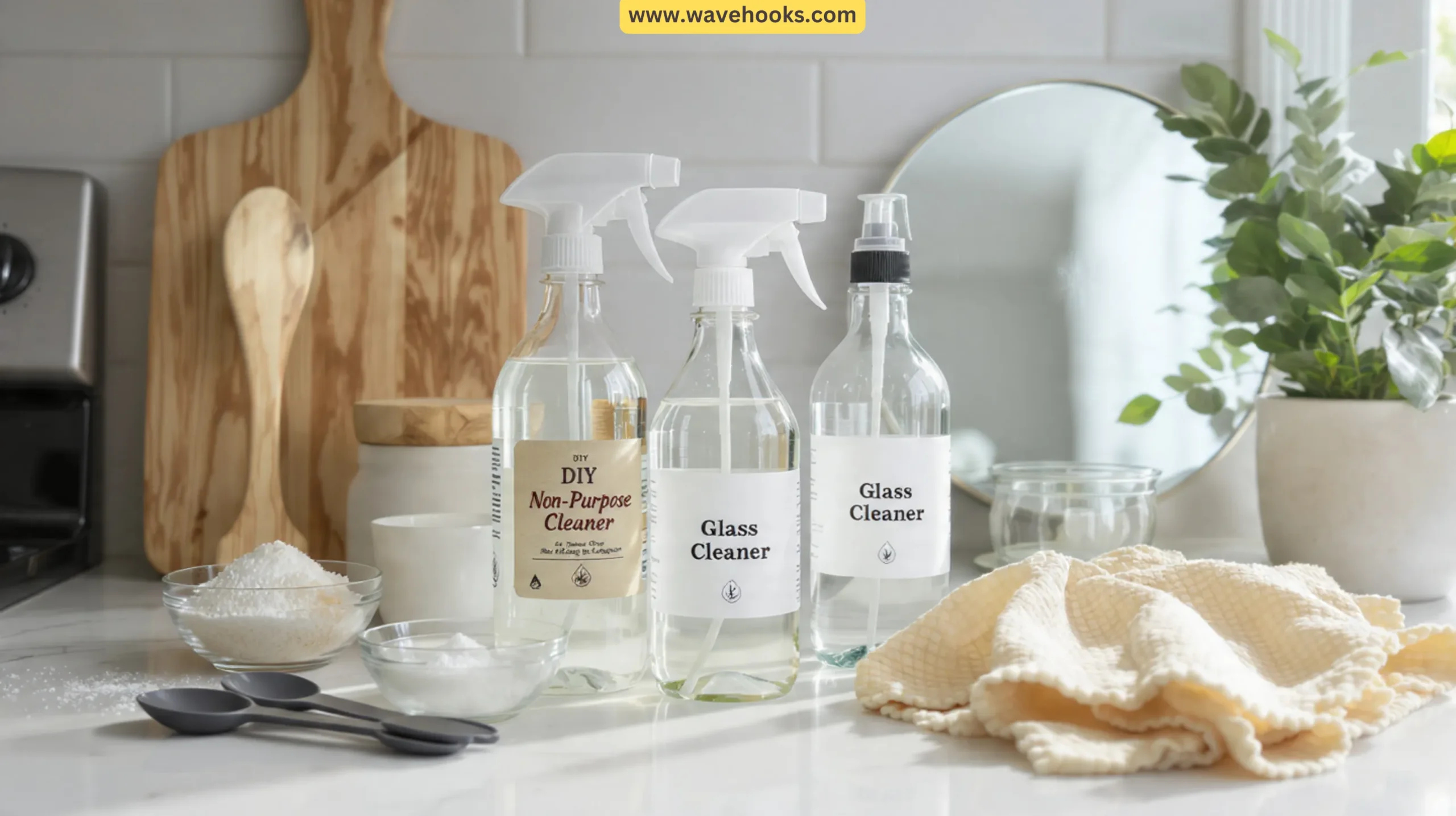
People who make their own cleaning solutions have complete power to choose their cleaning products and ensure their safety.
The creation of an all-purpose cleaner requires water, vinegar, and two essential oil droplets. It functions effectively for cleaning counters, shelves, and surfaces.
A stronger DIY cleaner combined with baking soda and vinegar for the bathroom enables effective removal of soap scum and grime from sinks, tubs, and tiles.
The combination of water and vinegar creates a solution that produces streak-free results on mirrors and windows. It requires minimal effort.
The use of non-toxic DIY cleaners for spring cleaning activities not only protects from chemical danger but also creates a safe environment for families and pets.
Are the 2026 “Clean-Tok” Trends Worth Trying
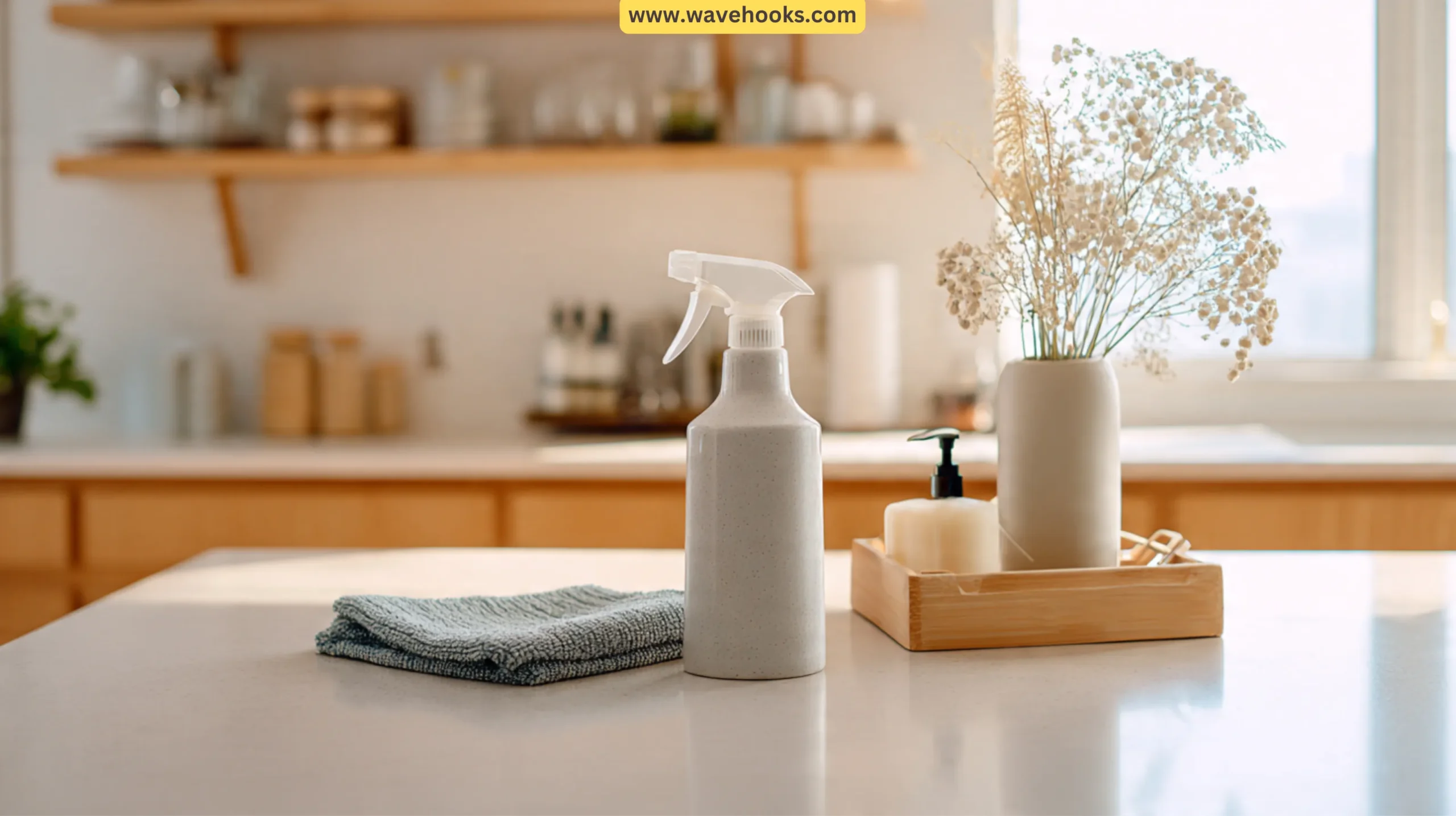
The 2026 cleaning trends show that people prefer simple and consistent cleaning methods, which do not require perfect results.
The reset cleaning videos have gained significant popularity because they show how to clean an entire space through short, dedicated cleaning sessions.
The combination of clean counters and organized shelves with calming visuals encourages keeping areas clean throughout the day.
The current cleaning trend shows most prefer minimal-tool systems because they want to clean their homes without owning multiple cleaning devices.
The practice of using fewer cleaning items leads to cleaner home environments while completing their daily tasks with less effort.
Also Read: What Is The Best Homemade Shower Cleaner Recipe? Must Read!
How to Stay Consistent After Spring Cleaning
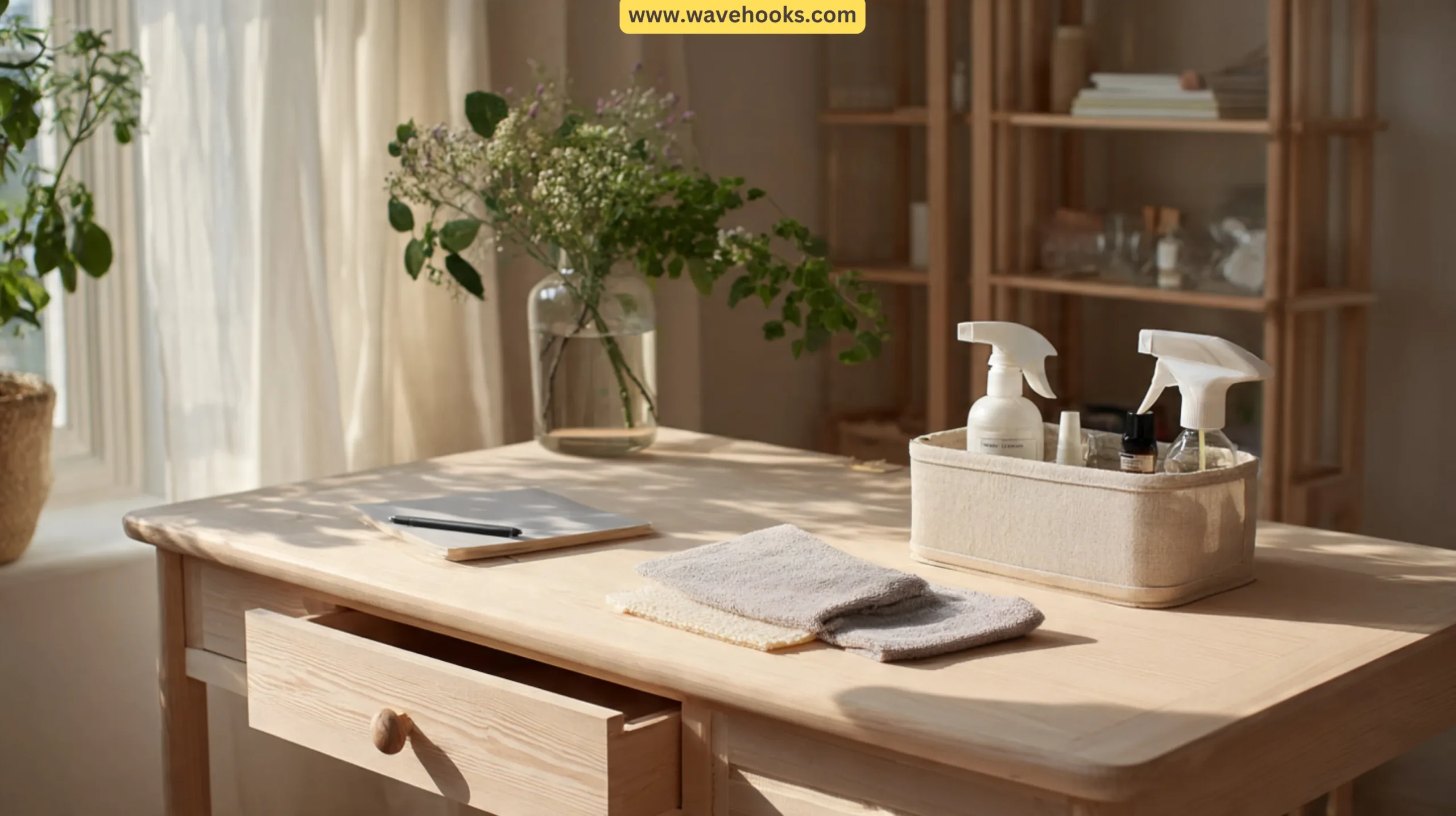
People can maintain their cleaning results through spring cleaning because they require simple daily tasks to follow.
The weekly reset process: It establishes the necessary condition that stops mess accumulation from occurring. The surface cleaning process requires 20 to 30 minutes of work each week, which maintains cleanliness while preventing clutter accumulation.
Monthly mini-declutter habits: This also makes a big difference. The practice of checking one drawer shelf or storage bin each month helps eliminate clutter problems from returning.
The seasonal maintenance plan: It establishes a system that maintains home balance throughout the year. The practice of seasonal touch-ups enables homeowners to maintain their homes without requiring extensive cleaning work.
The process of setting basic cleaning practices will keep your home organized and peaceful after you finish spring cleaning.
Use a Printable Spring Cleaning Checklist
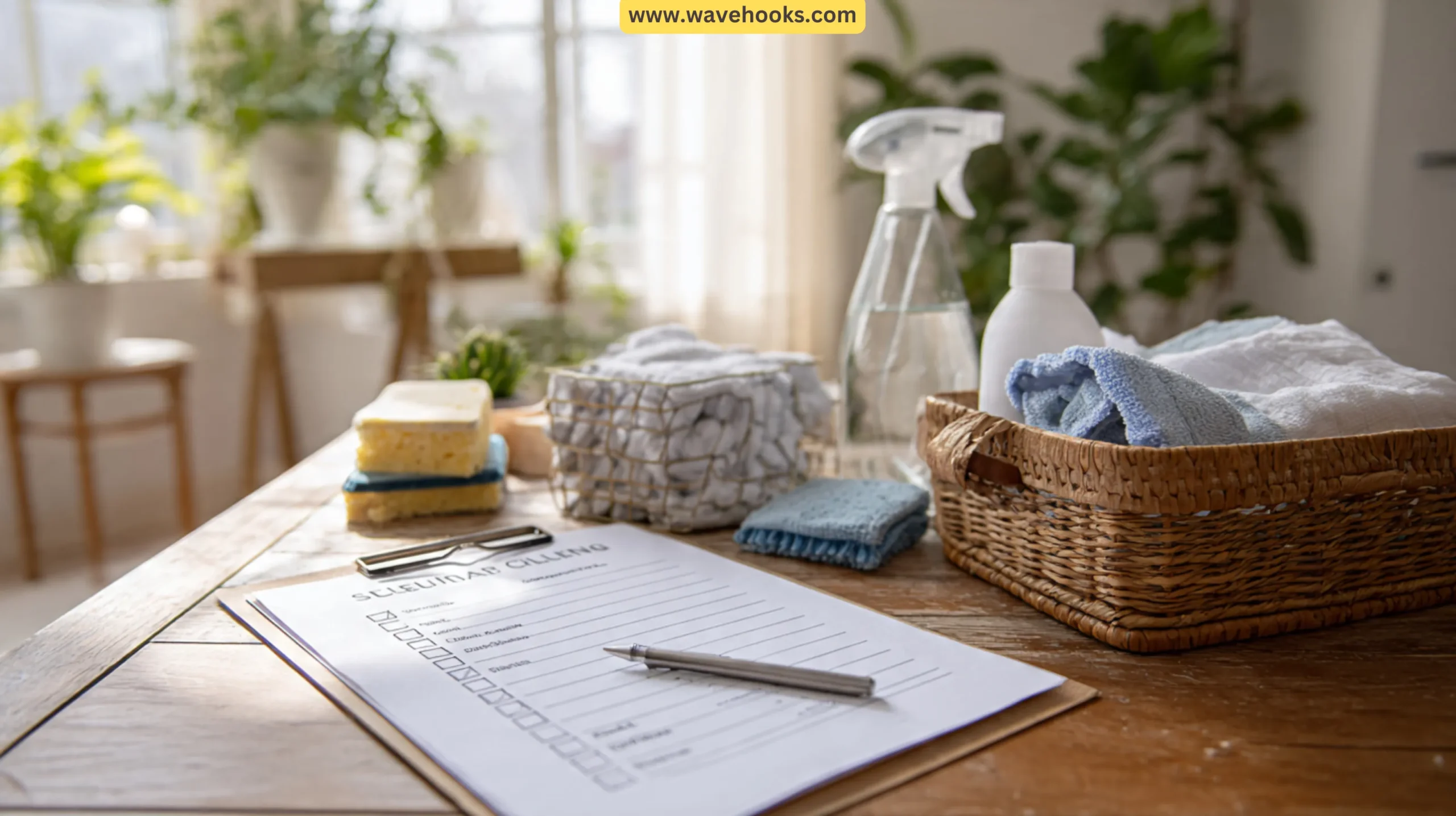
The printable spring cleaning checklist helps to follow their cleaning process. Here is how it is useful:
- The document contains specific tasks for each cleaning area along with decluttering instructions and environmentally safe cleaning methods.
- You can check off tasks as you go, which helps you stay motivated.
- The printable document helps families who live in busy households and apartments to create organized spaces without experiencing any stress.
- The document supports both weekend use and multiple-day spread.
- The spring cleaning checklist printable helps to complete tasks and ensures that they identify all necessary cleaning areas.
Also Read: 21 Best Home Scent Layering Hacks For A 5-Star Hotel Vibe!
Common Spring Cleaning Mistakes to Avoid
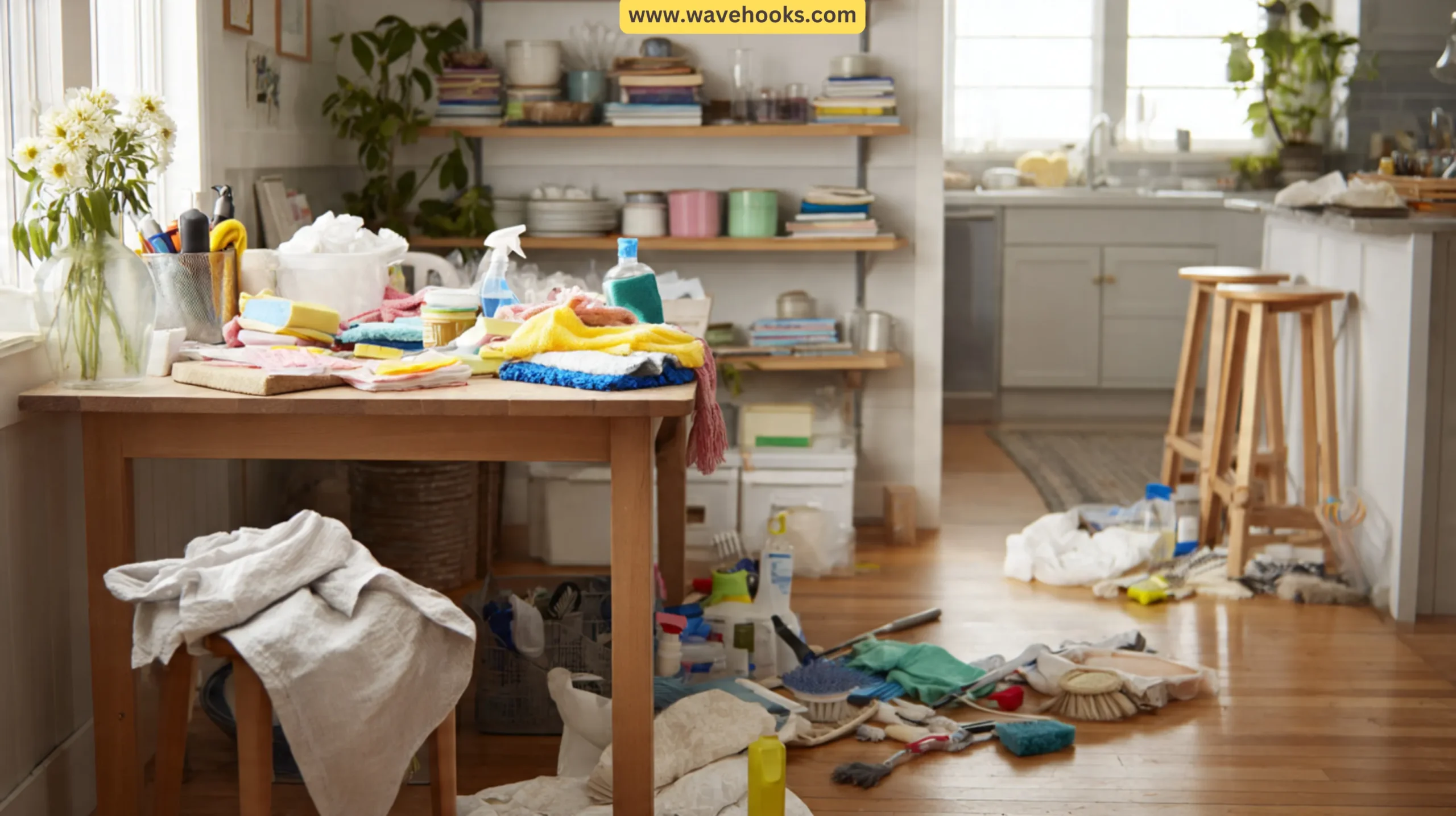
People make one mistake when they attempt to clean without first removing all the unnecessary items.
The process of cleaning becomes inefficient because they must spend time cleaning their workspace, while the actual cleaning process takes less time.
Individuals who try to clean their home all at once will find their efforts to be impossible. It leads to exhaustion to complete their entire workload.
It is effective when people divide their work into smaller time periods.
The cleaning process will become safer and more efficient when you identify and avoid spring cleaning errors.
Also Read: How To Clean Refrigerator Coils Without A Brush FAST!
Conclusion: Spring Cleaning Checklist
The process of spring cleaning 2026 becomes simpler when people stop trying to accomplish everything within one day and use a basic checklist instead.
The fresh and healthy home atmosphere starts with the decluttering process, methodical cleaning, and using environmentally safe cleaning products.
The best part is that small routines help your results last longer, so you don’t fall back into clutter again.
Begin your work by completing one room before proceeding to the next. Which zone will you clean first today: kitchen, bathroom, bedroom, or entryway?
Also Read: 20 Poisonous Plants Common In USA You Must Never Touch!
Frequently Asked Questions about Spring Cleaning Checklist 2026
1. Which date should I begin my spring cleaning activities for the year 2026?
Spring cleaning can begin anytime temperatures rise, and windows can be opened for ventilation. The majority of people tend to begin their spring cleaning activities between late February and early March.
2. What is the typical duration required for a complete spring cleaning process?
A full spring clean can take several days if done properly. The process becomes manageable when tasks are distributed over a period of one to two weeks.
3. What should I clean first during spring cleaning?
Start with decluttering, then focus on high-use areas like kitchens and bathrooms before moving to bedrooms and storage spaces.
4. Is it essential to perform spring cleaning when I conduct my regular cleaning duties?
Yes. Regular cleaning maintains surfaces, but spring cleaning targets hidden dirt, clutter, and buildup that routine cleaning misses.
Also Read: How To Organize A Small Bedroom Quickly In Just 15 Mins!